
Plants
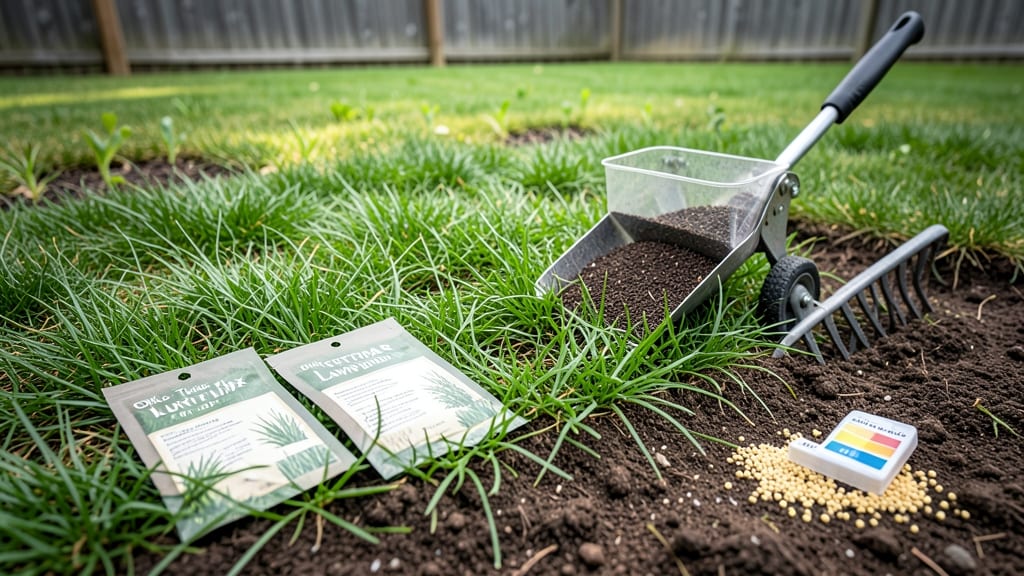
To plant grass seed in Ohio, aim for early spring (March-April) or early fall (September-October) when soil temperatures hover between 50°F and 65°F—the sweet spot for fast germination.
Ohio’s unpredictable spring and fall weather can make grass seed germination a gamble—but timing it right in USDA Zones 5-6 ensures thick, lush lawns without wasted effort. Miss the window, and you’ll face slow growth, weeds, or even seed failure.
Northern Ohio’s cooler microclimates favor spring planting, while southern regions benefit from fall’s milder temperatures. The key is preparing soil ahead of time, choosing the right grass type, and avoiding common mistakes like planting too early or late.
In this guide, I’ll break down the best planting windows, soil prep tips, and the fastest-growing grass varieties for Ohio’s climate—so you can skip the guesswork and get a fast, healthy lawn.
Best planting windows for Ohio grass seed: spring vs. fall timing
Ohio’s USDA Zones 5-6 create a unique challenge for grass seed germination—too early, and frost kills tender sprouts; too late, and summer heat stresses young roots.
The ideal soil temperature for planting is between 50°F and 65°F, which Ohio typically hits in early spring (March-April) and early fall (September-October). These windows maximize germination success while avoiding extreme weather.
Spring planting in Ohio kicks off as soon as the ground thaws, usually late March to early April, but wait until soil temperatures consistently stay above 50°F. Fall planting extends the window until mid-October, giving seeds time to establish roots before winter dormancy.
Missing these windows risks slow germination, weed competition, or even seed failure due to heat or cold stress.
Northern Ohio (Zone 5) has slightly earlier deadlines than southern Ohio (Zone 6). In the northern tier, aim to plant by April 15th in spring and September 30th in fall.
Southern Ohio can stretch planting until May 1st in spring and October 15th in fall, thanks to milder winters and later frosts.
Here’s how Ohio’s microclimates affect timing: Urban areas like Columbus and Cincinnati often experience warmer soil faster in spring, while rural areas with clay soil may stay cooler longer.
Coastal regions near Lake Erie benefit from moderate temperatures in fall, extending the planting window by 2-3 weeks compared to inland zones.
🌱Pro Tip: Use a soil thermometer to confirm temperatures before planting. If soil is below 50°F, wait—cold soil slows germination and invites disease. Similarly, avoid planting when daytime highs exceed 85°F, as seeds dry out too quickly.
| Season | Optimal Months | Soil Temp Range (°F) | Key Considerations | Ohio-Specific Deadlines |
|---|---|---|---|---|
| Spring | March–April | 50–65°F | Avoid late frosts; water consistently | Zone 5: April 15 Zone 6: May 1 |
| Fall | September–October | 50–65°F | Seedlings need 6–8 weeks to establish | Zone 5: September 30 Zone 6: October 15 |
| Contingency | Late Spring/Early Fall | 50°F+ | Use shade cloth; mulch to retain moisture | Zone 5: May 10 Zone 6: October 20 |
If you miss the ideal windows, don’t panic—Ohio’s late spring or early fall can still work with adjustments. For late spring plantings (after May 1), use shade cloth to protect seeds from intense sun and water daily to prevent drying.
In early fall, choose fast-germinating varieties like Perennial Ryegrass to establish roots before frost.
🌿Weather Contingency Plan: Monitor the 10-day forecast before planting. If rain is predicted within 48 hours, delay seeding to avoid soil compaction or erosion. Conversely, if drought warnings loom, plant sooner and mulch heavily to retain moisture.
Ohio’s clay-heavy soils in many regions can delay soil warming in spring. To speed up the process, till the soil 2–3 weeks before planting and apply a 2-inch layer of compost to improve drainage and warmth retention.
This is especially critical in northern Ohio, where spring planting may be delayed by 1–2 weeks compared to southern counties.
✂️Actionable Tip: Test your soil’s moisture retention before planting. Press a handful of soil—if it crumbles, it’s too dry; if it sticks together, it’s too wet.
Aim for a slightly damp but not soggy consistency. Ohio’s summer droughts can turn newly planted lawns into crispy patches if water isn’t managed properly.
Remember, the best time to plant grass seed in Ohio isn’t just about the calendar—it’s about soil temperature, weather patterns, and your specific microclimate.
By aligning your planting with these Zone 5-6 deadlines and contingency plans, you’ll give your lawn the best shot at thick, resilient growth from day one.
How to prepare Ohio soil for grass seed success: 3 critical pre-planting steps
Ohio’s heavy clay soil and summer droughts can turn grass seed into a frustrating investment if you skip proper soil prep. The three critical steps—soil testing, weed control, and seedbed preparation—make the difference between a thin lawn and a dense, resilient turf. Let’s tackle them one by one.
First, test your soil’s pH—Ohio’s native clay often locks in acidity, making it hard for grass roots to access nutrients.
Aim for a pH of 6.0 to 7.5; below 6.0, lime sweetens the soil, while above 7.5, sulfur lowers the pH. Use a home test kit or send a sample to your local Ohio State University Extension for precise results.
Next, eliminate weeds before planting. Apply a pre-emergent herbicide 4-6 weeks before seeding to block weed seeds from sprouting. For existing weeds, spot-treat with vinegar or a glyphosate-based herbicide (like Roundup) 2 weeks before tilling. Never use post-emergent herbicides after seeding—it’ll kill your grass too.
Use a kit or OSU Extension. Adjust to 6.0-7.5 with lime (low pH) or sulfur (high pH).
4-6 weeks before seeding. Blocks weeds without harming grass roots.
Break up clay soil with a tiller. Add compost for moisture retention.
For the seedbed, till the soil 3-4 inches deep to loosen compacted clay and improve drainage. Ohio’s heavy soil can suffocate roots, so mix in 2-3 inches of compost to boost organic matter and moisture retention.
Rake the area smooth afterward—bumpy soil traps water and seeds, leading to rot or uneven growth.
Finally, water deeply before planting to settle the soil. Aim for 1 inch of moisture in the top 6 inches—this helps seeds make immediate contact with damp soil. After seeding, keep the soil consistently moist (not soggy) for the first 2-3 weeks.
Ohio’s summer droughts can dry out new grass fast, so mulch with straw to lock in moisture.
With these steps, your Ohio lawn will establish roots twice as fast and outcompete weeds naturally. The key? Prep early, test often, and water wisely—your future lawn will thank you.