
Plants
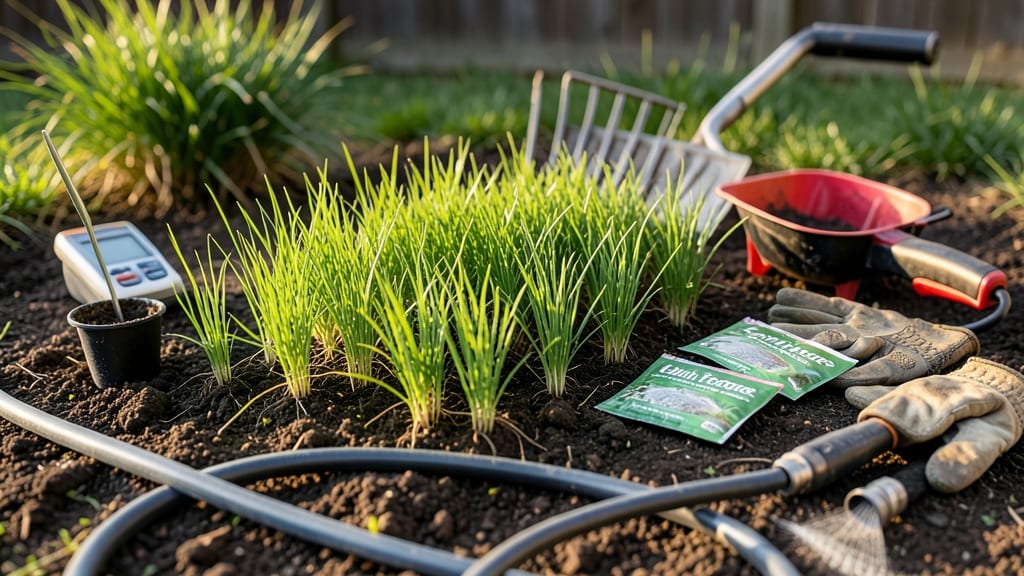
The best time to plant grass seed in New Jersey is during early spring or early fall, when soil temperatures and moisture align perfectly for cool-season grasses 🌱.
Planting at the wrong time can turn your lawn project into a frustrating gamble—drought stress in summer or weed competition in late fall will outcompete your new grass before it even gets a chance.
New Jersey’s 6a-7b climate demands precision: too early, and the seed dries out; too late, and frost stunts germination.
Below, I break down the ideal planting windows, soil temperature checks, and how to adjust for your region—whether you’re in coastal Atlantic City or inland Trenton. Spoiler: September is the golden window for most of the state.
You’ll also discover how to prep your soil, choose the right seed mix, and avoid the three biggest mistakes New Jersey gardeners make when seeding their lawns.
New Jersey’s ideal grass planting window: cool-season grasses explained
New Jersey’s climate—with its humid summers and cold winters—makes timing critical for planting cool-season grasses. The perfect window isn’t just a season; it’s a 6-week period when soil temps, rainfall, and daylight align for optimal germination.
For most cool-season grasses like Kentucky bluegrass, tall fescue, and perennial ryegrass, this means late August through early October—the golden window before winter dormancy sets in.
Why? Early fall offers cooler soil temps (ideal: 55–65°F), consistent moisture from summer’s end, and fewer weeds competing with seedlings. Spring planting (early March–April) is second-best, but drought risks and weed pressure make it trickier. Missed your window? Don’t panic—we’ll cover alternative strategies later.
New Jersey’s microclimates add another layer. Coastal areas (like Cape May) have milder winters and can extend planting into November, while inland regions (e.g., Sussex County) may need to plant by late September to avoid early frosts.
Always check your USDA Zone (6a–7b) and local frost dates—aim to plant 4–6 weeks before the first consistent frost.
| Planting Window | Ideal Soil Temp (°F) | Best Grasses | Key Benefits | New Jersey Notes |
|---|---|---|---|---|
| Late August–Early October | 55–65°F | Kentucky Bluegrass, Tall Fescue, Perennial Ryegrass | Cooler temps reduce stress; weeds dormant | Coastal: extend to mid-November; Inland: plant by late Sept. |
| Early March–Early April | 45–55°F | Same as above + Annual Ryegrass (temporary cover) | Warmer soil speeds germination; longer daylight | Higher drought risk; water deeply daily |
| Mid-September–Mid-October | 60–70°F (cooler evenings) | Winter Ryegrass (overseeding) | Fast germination; suppresses weeds | Best for patchy lawns; mow low before winter |
To nail your timing, check soil temperature with a soil thermometer (or dig down 4 inches—if it’s too warm, wait). Morning temps are most accurate. Pro tip: Aim for 60°F+ for spring planting and 65°F or below for fall to avoid heat stress on seedlings. New Jersey’s humidity also plays a role—fall planting benefits from steady rainfall, while spring may need supplemental watering.
Regional microclimates demand local adjustments. For example, coastal NJ (e.g., Atlantic City) can plant 2–3 weeks later than northwest NJ (e.g., Sussex County) due to maritime influence.
Use the NJ State Climate Office’s frost maps to pinpoint your last frost date. Rule of thumb: Plant 6 weeks before the average first frost (typically October 15 inland, November 1 coastal).
Don’t overlook seed selection. Tall fescue and perennial ryegrass germinate faster in fall (10–14 days) than Kentucky bluegrass (14–21 days).
For shaded lawns, mix in fine fescue, which tolerates lower light. Sunny areas? Tall fescue or Kentucky bluegrass will outperform others. Always choose high-quality seed with a minimum 80% germination rate.
Post-planting, watering discipline is key. First 2 weeks are critical—keep soil consistently moist (not soggy) with daily light watering. Morning watering (before 10 AM) reduces
Soil temperature & Weather checklist: how to perfectly time your planting
Timing your grass seed planting in New Jersey hinges on two critical factors: soil temperature and weather forecasts. Cool-season grasses like Kentucky bluegrass and tall fescue need soil between 55–65°F to germinate properly.
Check your local National Weather Service or use a soil thermometer ($10 at garden centers) to avoid costly mistakes. Even a 5°F swing can delay germination by weeks.
Spring planting in March–April works if your soil warms quickly, but late summer/early fall (September–October) is the golden window for New Jersey. Cooler temps reduce water stress, and established grass enters dormancy just as winter approaches.
Shaded lawns may need a 2–4 week earlier start since they warm slower than sunny areas.
⚠️ callout warning
⚠️ Avoid These 3 Costly Mistakes
- Planting too early (before April 15): Seedlings bake in 70°F+ soil, leading to drought stress and patchy growth.
- Ignoring rainfall forecasts: Less than 1 inch of rain in 7 days after planting = failed germination. Check NOAA’s 7-day outlook before seeding.
- Skipping soil prep: Compacted or clay-heavy soil in NJ traps moisture, causing fungal diseases. Loosen top 2–3 inches with a rake.
🌱 Pro Tip: Use a moisture meter to confirm soil is 60% moisture before planting.
Start by testing your soil temperature at 8 AM (when it’s coolest) for 3 consecutive days. If temps dip below 55°F, wait—cool-season grasses won’t germinate until conditions improve.
For shaded lawns, aim for 60–65°F since they stay cooler. Pro tip: Black plastic mulch (laid for 2–3 days) can warm soil 10–15°F faster if you’re in a hurry.
Monitor rainfall predictions closely. New Jersey’s September–October window often brings unpredictable storms. Seedlings need consistent moisture—if forecasts show dry spells, plan to water daily for 2 weeks post-planting. Use a rain gauge to track 1/2 inch of water per week; sprinklers often overwater by 30–50%.
Watch for weed competition, a sneaky pitfall. Planting after October 1 gives weeds a head start. They’ll steal water and nutrients, leaving your grass thin and weak. Pre-emergent herbicides can help, but apply them 2 weeks before seeding—not after.
For sunny lawns, crabgrass is the biggest threat; in shaded areas, clover and moss take over.
Create your own New Jersey Planting Checklist: ☑️ Soil temp: 55–65°F (use a thermometer) ☑️ Weather: 7-day forecast shows ≥1 inch rain or plan to water daily ☑️ Prep: Loosen soil, remove debris, level low spots ☑️ Seed: Choose cool-season mix (e.g., tall fescue + perennial ryegrass) ☑️ Post-plant: Lightly rake, cover with ¼-inch straw mulch ☑️ Avoid: Fertilizing until germination (wait 4–6 weeks) 🌱