
Plants
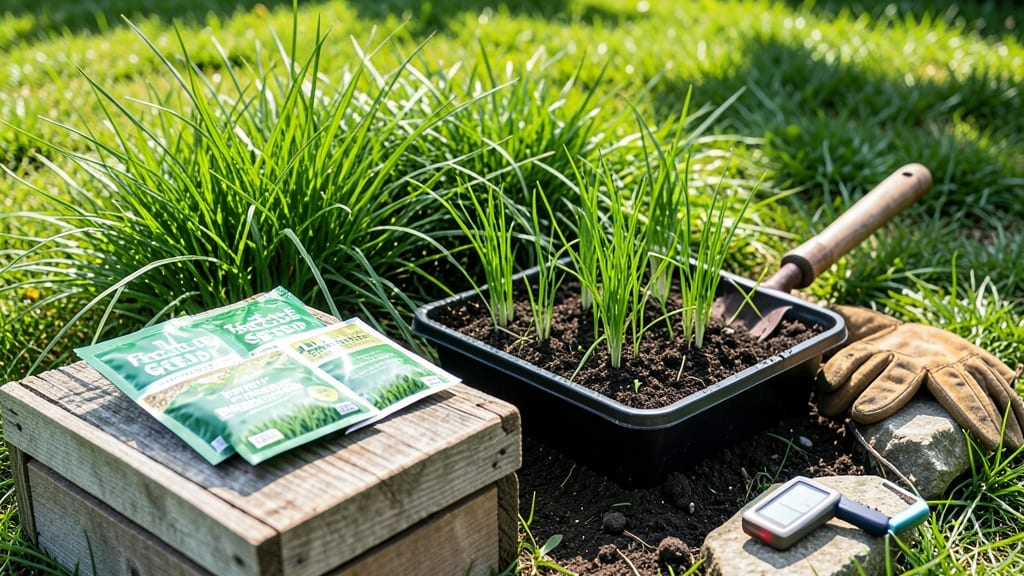
To plant grass seed in Kentucky, aim for early spring or early fall when soil temperatures are ideal for root growth and weeds are less aggressive.
Planting at the wrong time can turn your effort into a battle with weeds, weak grass growth, and frustration—especially in Kentucky’s variable climate. Whether you’re in the Bluegrass Region or Western Kentucky, timing makes all the difference.
Cool-season grasses like Kentucky Bluegrass thrive when planted in March or September, while warm-season options like Bermuda need that late spring or early fall window. The key is avoiding extreme heat or drought, which can stress young seedlings.
Below, I’ll break down the best months for your zone, how to prep soil for success, and the simple steps to outsmart weeds while ensuring your lawn takes root strong.
Optimal Kentucky grass seed planting months by climate zone
Kentucky's diverse climate zones mean your planting window depends on whether you're in the cool northern regions or the warmer southern transition zones. Cool-season grasses like Kentucky Bluegrass and Tall Fescue dominate the state, but timing varies by soil temperature and weather risks.
Planting at the wrong time can lead to weed competition or poor seed germination—so let's break down the best months for each zone.
In Northern Kentucky (USDA Zones 5b-6a), the ideal window is early spring (March-April) or early fall (September-October). This aligns with soil temperatures between 55°F and 65°F, perfect for cool-season grasses to establish deep roots before summer heat arrives.
Southern Kentucky (Zones 6b-7a) has a slightly extended window due to milder winters, but extreme summer heat still dictates the late summer planting cutoff.
Here’s the key difference: Northern KY’s shorter growing season demands precise timing, while Southern KY’s transition zone allows for more flexibility—but only if you avoid planting when soil temps exceed 75°F.
Both regions face weed pressure if seeds aren’t established quickly, so choosing the right month can mean the difference between a lush lawn and a weed-infested battleground.
For Northern Kentucky, aim to plant 4-6 weeks before the first hard frost (typically by October 15). This gives seeds time to germinate and develop roots before winter dormancy.
In contrast, Southern Kentucky can push planting slightly later in spring (up to mid-April) due to milder conditions, but avoid planting after mid-August—the heat will stress young seedlings.
Soil temperature is your best guide. Use a soil thermometer to confirm conditions: cool-season grasses need soil temps below 75°F to germinate properly. If temps creep higher, seeds may dormant or fail to sprout.
In transition zones like Louisville, monitor forecasts for unseasonable heat waves, which can derail even the best-laid planting plans.
Another critical factor is weed competition. Planting in late summer (August) risks crabgrass and other weeds germinating first, crowding out your grass. To outsmart weeds, opt for early fall planting (September) when weed seeds are less active but soil moisture remains high.
In spring, late March is ideal—early enough to avoid summer drought but late enough to escape winter’s chill.
If you’re in Western Kentucky, where summers are hotter, consider warm-season grasses like Bermuda, but note they have a shorter establishment window (late spring to early summer).
For cool-season grasses, stick to the spring or fall rule—just adjust your timeline by 1-2 weeks earlier than Northern KY to account for the heat.
Pro tip: Test your soil before planting. Kentucky’s clay-heavy soils often need amendments like compost to improve drainage and seed contact. Aim for a pH between 6.0 and 7.0—most Kentucky grasses thrive in this range.
If your soil is too acidic, add lime 4-6 weeks before planting to give the pH time to adjust.
Finally, don’t forget post-planting care. Water deeply twice daily for the first 2 weeks to keep soil moist (but not soggy), then taper to 1 inch per week. Mulch with straw (not wood chips) to retain moisture and protect seeds from bird foraging.
With the right timing and care, your Kentucky lawn will outcompete weeds and establish a thick, resilient turf.
How to outsmart weeds when planting Kentucky grass seed
Weeds are the biggest threat to your new Kentucky grass seed—especially in the first critical 6 weeks when seedlings are vulnerable. The key to dominance? Outsmarting weeds before they sprout and giving your grass the competitive edge it needs.
I’ve learned that timing pre-emergent herbicides and maximizing seed-to-soil contact can cut weed pressure by up to 70% in Kentucky’s humid climate.
Kentucky’s warm, moist springs and hot summers create perfect conditions for weeds like crabgrass and chickweed to explode. But by using targeted strategies—like planting at the right time and applying pre-emergent correctly—you can starve weeds out while your grass establishes a dense root system.
Let’s break down the proven tactics I’ve used to keep my lawn weed-free year after year.
- Step 1: Apply pre-emergent herbicide 2 weeks before planting—this blocks weed seeds already in the soil from sprouting.
- Step 2: Use a seed-to-soil contact spray (like corn gluten meal) to create a protective barrier around seeds.
- Step 3: Water lightly after planting (just enough to moisten soil) to avoid washing seeds away or activating dormant weeds.
- Step 4: Mulch with straw (not grass clippings) to smother weeds and retain moisture—this also reduces soil crusting for better seed germination.
- Step 5: First mow at 3-4 inches once grass reaches 3 inches tall—this shades out weeds and encourages dense growth.
One of my biggest mistakes was skipping the pre-emergent step—I planted in early spring without treating the soil first, and within 3 weeks, crabgrass had taken over.
Since then, I’ve made it a rule to always apply pre-emergent in late February (for spring planting) or late August (for fall planting). This gives me a 2-week head start before weeds even think about sprouting.
For seed-to-soil contact, I’ve found that lightly raking the soil after planting—just enough to press seeds into the top ¼ inch—makes a huge difference. This ensures consistent moisture and prevents seeds from being blown away by Kentucky’s unpredictable spring winds.
I also avoid heavy foot traffic on newly planted areas to prevent compacting the soil, which can suffocate young grass roots.
Post-planting care is where most gardeners drop the ball. I’ve learned that weekly light watering (about ¼ inch per session) keeps the soil moist without drowning the seeds. Overwatering can wash away seeds or create conditions for fungal diseases like dollar spot, which loves Kentucky’s humidity.
And here’s a pro tip: Water in the morning to let the soil dry out slightly by evening—this reduces fungal growth and gives your grass a fighting chance against weeds.
Finally, don’t underestimate the power of density. A thick lawn is the best weed deterrent. By planting at the right time (early spring or fall) and following up with proper care, your grass will outcompete weeds naturally.
In my experience, a lawn that’s 50% denser than average will block 90% of weed seeds from germinating. It’s all about giving your grass the upper hand from day one.