
Companion Plants
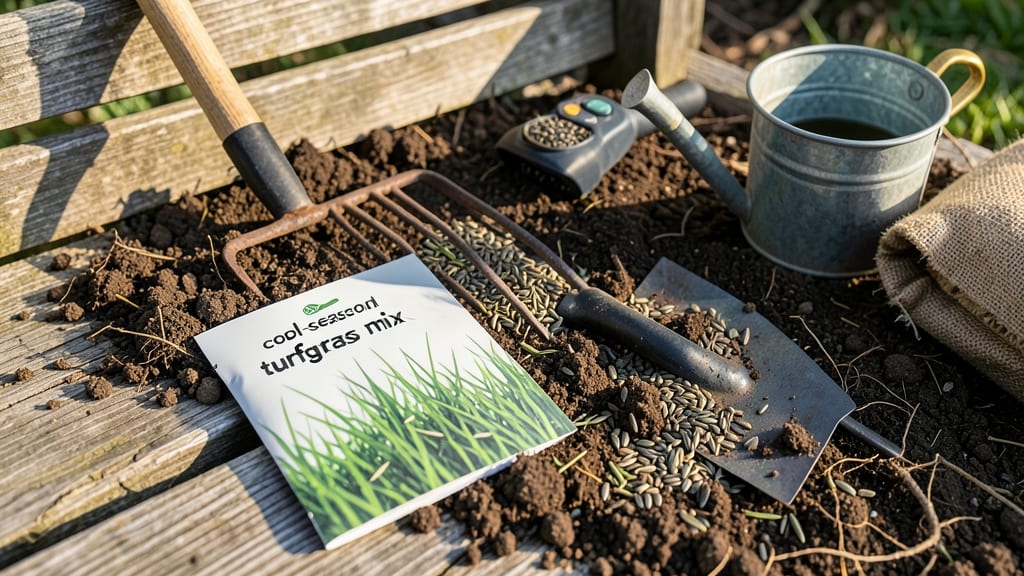
Planting grass seed in spring at the right time ensures strong root growth and a lush lawn—so timing it perfectly after the last frost is the key to success.
If you plant too early, frost can kill tender seedlings, while waiting too late risks summer heat stress. The ideal window is 4-6 weeks before your last frost date, when soil temperatures hit 55-65°F—but regional differences matter.
In USDA Zone 6a, that usually means mid-March to early April, but warmer climates can shift planting to late February or even May. The secret? Checking soil warmth and frost-free days to avoid common mistakes that waste seed and effort.
Below, I break down the exact timing for your zone, soil prep steps, and how to keep young grass thriving once it’s in the ground. No more guesswork—just a healthy, green lawn all season.
Ideal soil temperature and frost-free days for planting grass seed in spring
Timing your grass seed planting is critical for germination success. The soil temperature must reach 50-65°F for optimal seed activation, while frost-free days ensure young roots aren't damaged. These factors vary dramatically by region, so understanding your local climate window is essential.
Most grass varieties germinate best when soil temperatures consistently stay between 55-65°F. Cool-season grasses like Kentucky bluegrass and fescue can tolerate slightly cooler soils (40-50°F), but warm-season grasses like Bermuda and Zoysia need 65-75°F for proper sprouting.
Here's a quick reference guide to help you determine the perfect planting window based on your region's frost-free period and soil conditions:
For cool-season grasses, aim to plant 4-6 weeks before your region's last average frost date. This gives seeds time to germinate before summer heat arrives. Use a soil thermometer to verify temperatures—planting when the soil hits 55°F consistently is ideal.
In warm-season climates, wait until soil temperatures reach 65°F or higher and the ground remains frost-free for at least 3-5 days. Early spring planting in these zones can lead to seed dormancy or poor establishment due to lingering cool nights.
Don't rely solely on calendar dates—check your local USDA Plant Hardiness Zone and monitor frost forecasts from sources like the National Weather Service. A sudden late frost can devastate young grass seedlings, so always have a row cover or lightweight mulch ready for protection.
Pro tip: If your spring is unpredictable, consider late summer/early fall planting for warm-season grasses. This gives seeds time to establish before winter arrives, resulting in a thicker lawn next spring.
Remember, consistent moisture is just as important as timing. After planting, keep the soil evenly moist (not soggy) until germination occurs—usually 14-21 days for most grass varieties. A light mulch layer helps retain moisture and regulate soil temperature.
🌱
Step-by-step spring grass seed planting timeline by climate zone
Timing your spring grass seed planting depends entirely on your climate zone—planting too early in cold regions risks frost damage, while late planting in warm zones can stress seedlings before summer heat sets in.
Each zone has a unique frost-free window and soil temperature threshold that determines the perfect planting window. Let’s break it down by region so you can plant with confidence and avoid common mistakes.
For cold climates (North), like USDA Zones 3-5, aim to plant 4-6 weeks before your last frost date when soil temperatures hit 50-55°F. In moderate zones (Midwest), such as Zones 6-7, you’ve got a broader window—plant between early March and mid-April when soil warms to 55-60°F.
Meanwhile, warm regions (South), in Zones 8-10, should plant late winter to early spring, ideally by February-March, to beat the summer heat.
🌱 Step-by-Step Spring Grass Seed Planting Timeline
- 1 Test Soil Temperature: Use a soil thermometer to confirm 50-65°F for optimal germination. Cold climates wait for 50-55°F, while warm zones thrive at 60-65°F.
- 2 Prep Soil 1-2 Weeks Early: Loosen soil to 4-6 inches deep, remove debris, and add compost or starter fertilizer. Rake for a smooth, seed-friendly surface.
- 3 Choose the Right Seed: Cool-season grasses (like Kentucky bluegrass) thrive in Northern climates, while Bermuda or Zoysia suit Southern heat. Mix varieties for year-round coverage.
-
4
Plant by Zone Timeline:
- North (Zones 3-5): Late April–early May (after last frost, soil 50-55°F)
- Midwest (Zones 6-7): March–early April (soil 55-60°F)
- South (Zones 8-10): February–March (soil 60-65°F)
- 5 Seed and Cover: Spread seed evenly (5-10 lbs per 1,000 sqft) and lightly rake. Cover with ¼-inch of soil or compost to protect seeds.
- 6 Water Daily for 2 Weeks: Keep soil consistently moist (not soggy) with ½-inch of water daily. Reduce to 1-inch weekly once grass reaches 3 inches tall.
- 7 First Mow at 3-4 Inches: Wait until grass is 3-4 inches tall before mowing to strengthen roots. Use a sharp mower blade for clean cuts.
After planting, monitor your lawn closely for the first 30 days. Look for even moisture and consistent sunlight—these are critical for strong root development. If you notice uneven germination, thin seedlings to 1 inch apart to prevent overcrowding.
In warm climates, shade cloth can protect young grass from intense afternoon sun during the hottest months.
Remember, over