
Lawn
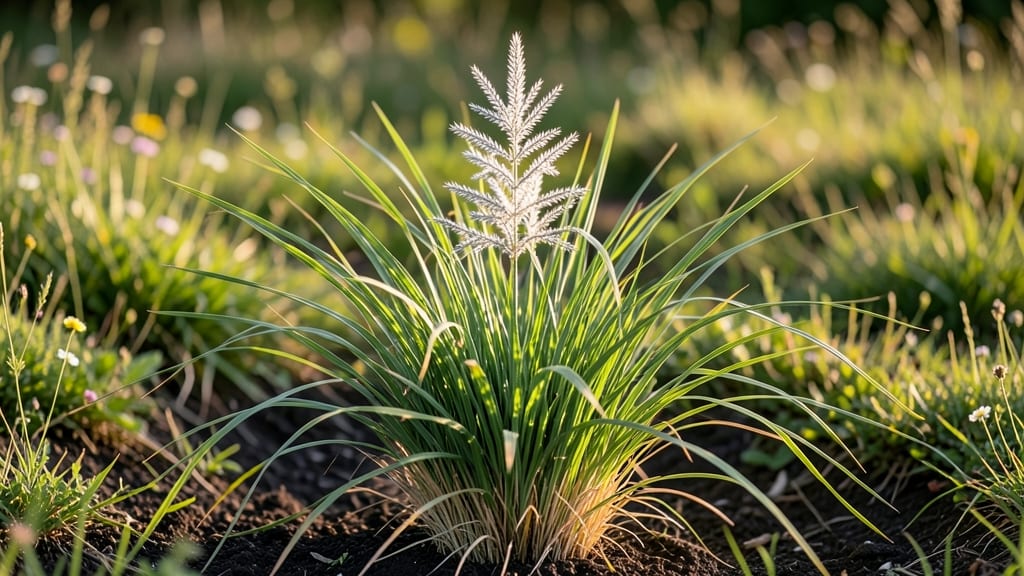
Those spiky seed pods aren't just pretty—they're a pollinator magnet all season long. 🌿 I've grown ornamental grasses with dramatic seed heads for years, and they've become the backbone of my low-maintenance garden beds. They sway in the breeze, catch winter light, and feed bees when little else is blooming.
The best part? These grasses thrive on neglect once established. Most need full sun to part shade and just 1-2 deep waterings per week once roots take hold. Varieties like feather reed grass and fountain grass handle drought like champs, while Stipa adds that airy, desert-like texture.
You'll get year-round structure—green foliage in spring, golden tones in fall, and those signature seed pods that last through winter. Plus, they divide easily, so you can share plants with neighbors or expand your garden without buying new ones.
Perfect for borders, containers, or even as dramatic focal points in larger spaces. Here's how to make them work for your garden!
📚 In This Guide
- What you need
- Instructions
- Tips and common mistakes
- Wrapping up and next steps
What you need
- ● Seeds or nursery plants: 1–2 lbs of Muhlenbergia capillaris or Panicum virgatum seeds (or 3–5 nursery-grown plants for faster results).
- ● Well-draining soil: Amend clay soil with compost (1 part compost to 3 parts native soil) for optimal growth.
- ● Sunlight: Full sun (6+ hours/day) for best performance.
- ● Watering can or hose: With a gentle spray nozzle for even moisture.
- ● Garden gloves: To protect your hands while handling soil or plants.
- ● Pruners or shears: Sharp, clean tools for trimming dead foliage (sterilize with rubbing alcohol).
- ○ Mulch (optional but recommended): 2–3 inches of straw or wood chips to retain moisture and suppress weeds.
- ● A soil pH test kit (ideal range: 6.0–7.5 for most grasses).
- ● Organic fertilizer (low-nitrogen, like 5-5-5) to boost early growth.
- ● A plant marker to label your new pollinator-friendly addition.
- ● Wildlife-friendly bird feeders or baths to complement your new habitat!
Step-by-step guide to planting and caring for ornamental grasses with spiky seed pods
Here’s how to grow these striking pollinator magnets that add winter interest and texture to your landscape.
🌱 Step 1: Choose the Right Grass for Your Climate and Space
Select a cold-hardy ornamental grass like Miscanthus sinensis or Panicum virgatum for their dramatic seed heads. These varieties thrive in USDA Zones 5-9 and reach 3-6 feet tall, making them perfect for borders or as focal points. Check your local nursery for native species—they’ll need less water and adapt better to your soil.
I always plant at least 3 clumps for a natural look, spacing them 2-3 feet apart in full sun (6+ hours daily). These grasses hate soggy soil, so avoid low spots where water pools. If your soil drains poorly, amend with 2-3 inches of compost mixed into the top 12 inches before planting.
🪴 Step 2: Prepare the Planting Site for Optimal Growth
Dig holes twice as wide as the grass root ball but only as deep as the container it came in. Loosen the soil at the bottom of the hole with a fork to encourage root spread. If your soil is heavy clay, blend in 1 part perlite or coarse sand to the existing soil to improve drainage.
Place the grass in the hole, then backfill with native soil, pressing gently around the edges to remove air pockets. Water deeply until moisture reaches 6 inches down—you’ll see the soil surface darken and feel damp at the 2-inch level. Mulch with 2 inches of shredded bark (not dyed) to retain moisture and suppress weeds.
☀️ Step 3: Water and Fertilize for Strong Establishment
Keep the soil evenly moist (not soggy) for the first 4-6 weeks after planting. Water early in the morning so foliage dries by evening—this prevents fungal diseases like rust, which can discolor leaves. You’ll know you’re doing it right when the soil feels damp but not wet at the 1-inch depth.
Apply a balanced, slow-release fertilizer (10-10-10) at half strength in early spring. These grasses don’t need much feeding—over-fertilizing leads to weak stems and fewer seed pods. Skip fertilizer entirely in the first year if your soil is already rich. Watch for new growth in late spring—that’s your signal the plant is settling in.
✂️ Step 4: Prune and Maintain for Winter Interest
Cut back brown foliage in late winter (just before new shoots appear) to encourage fresh growth. Use clean, sharp pruners to slice stems 1-2 inches above the ground—this prevents disease from spreading through ragged cuts. Leave the seed heads if you want birds to visit, but remove them in early spring if they look unsightly.
Divide clumps every 3-4 years in early spring to keep them vigorous. Dig up the entire plant, separate the root ball into 3-5 sections, and replant immediately. These grasses spread slowly, but overcrowding weakens the center stems. You’ll notice thinner seed heads if it’s time to divide—don’t wait until the plant looks stressed.
💧 Step 5: Adjust Care for Drought and Pollinator Support
Once established, these grasses tolerate drought conditions—water only when the soil feels bone-dry at 3 inches deep. In extreme heat, a deep soak every 2 weeks keeps them from browning. I’ve seen Miscanthus survive summer droughts with no irrigation after the first year.
Leave the seed pods through winter—they’re a food source for finches and sparrows, and their textured shapes add visual interest when snow covers the garden. If you want more pollinators, plant coneflowers or black-eyed Susans nearby—their blooms attract bees that also visit the grasses for nectar.
Tips & tricks for perfect ornamental grass planting
Here's what I've learned after years of growing these striking grasses that keep your garden beautiful year-round.
Climate and Location: While these grasses thrive in USDA Zones 5-9, I've found that planting them in groups of at least 3 clumps creates a more natural, wind-resistant look. The 2-3 feet spacing between plants allows for proper air circulation, which is crucial for preventing fungal diseases like rust that can discolor leaves. In particularly windy areas, consider planting along fences or walls for added support.
Soil Preparation: The key to successful planting lies in proper soil preparation. When amending heavy clay soil, I recommend mixing in 1 part perlite or coarse sand to improve drainage. This is especially important because these grasses hate soggy soil. After planting, watering until moisture reaches 6 inches down ensures the roots establish properly in their new environment.
Watering Wisdom: During the critical first 4-6 weeks after planting, maintaining even moisture is essential. I've learned that watering early in the morning allows foliage to dry completely by evening, which prevents fungal diseases. Checking soil moisture at the 1-inch depth is a reliable way to determine if more water is needed—it should feel damp but not wet.
Pruning and Maintenance: When cutting back brown foliage in late winter, I always use clean, sharp pruners and cut stems just 1-2 inches above the ground. This precise cutting height prevents disease from spreading through ragged cuts. For those who want to attract birds, leaving the seed heads through winter provides a valuable food source while adding visual interest to your winter landscape.
Pro Tips for Grass With Spiky Seed Pods
- Here's what I've learned after years of growing these striking grasses that keep your garden beautiful year-round.
- Climate and Location: While these grasses thrive in USDA Zones 5-9, I've found that planting them in groups of at least 3 clumps creates a more natural, wind-resistant look.
- Soil Preparation: The key to successful planting lies in proper soil preparation.
Frequently asked questions
Got questions about that grass with spiky seed pods? You’re not alone!
Here are answers to the most common queries—from identification to care—so you can keep your lawn thriving while supporting pollinators.
What kind of grass has spiky seed pods?
The most likely culprit is Muhlenbergia capillaris (Pink Muhly Grass) or Panicum virgatum (Switchgrass), both pollinator-friendly perennials. If you’re seeing spiky, feathery seed heads, it’s probably ornamental grass like Stipa tenuissima (Mexican Feather Grass). Native grasses often have these traits—check local nurseries for ID help!
When do spiky seed pods appear, and how long do they last?
Seed pods typically emerge in late summer to fall (August–October, depending on your climate) and persist through winter, often until early spring. They won’t harm your lawn—they’re just part of the plant’s life cycle! If they look messy, shear them back in early spring before new growth starts.
Are spiky seed pods harmful to pets or kids?
Generally no—these seed pods are lightweight and pose minimal risk. However, if your pet chews on them, monitor for irritation (rare but possible). For kids, avoid letting them stab themselves with dry stalks. If concerned, opt for softer ornamental grasses like Calamagrostis (feather reed grass), which have gentler seed heads.
How do I remove spiky seed pods without killing the grass?
Use sharp pruners or hedge shears to trim pods at the base in late winter (before regrowth). Never pull stalks—this can damage roots. For stubborn patches, mow high (3–4 inches) to discourage seed production. Pro tip: Leave some pods for pollinators (like goldfinches!) until after their nesting season (spring).
Can I replace grass with spiky seed pods with something low-maintenance?
Yes! Try sedum (ground cover), clover mixes (pollinator-friendly), or buffalo grass (Bouteloua dactyloides) for a native, low-mow alternative. If you love the look of seed pods, miscanthus or fountain grass offer similar drama with fewer sharp edges. Bonus: Pair grasses with wildflowers to reduce mowing needs!
Why do my spiky seed pods turn brown and stay put?
Brown seed pods are normal—they’re dormant until spring. If they’re stubbornly clinging, the plant is conserving energy for regrowth. Don’t panic! Healthy roots mean new growth will return. For a cleaner look, rake up debris in early spring before the plant wakes up.
Wrapping up and next steps
From ornamental appeal to ecological benefits, grasses with spiky seed pods like Panicum virgatum or Miscanthus sinensis are a game-changer for pollinator-friendly lawns. Their textured beauty and low-maintenance charm make them perfect for year-round interest—plus, they support bees, butterflies, and birds while thriving in diverse climates. 🐝✨
Ready to transform your space? Start small—plant a few seed pods or divide existing clumps—and watch your garden bloom with life. Next, explore native grass varieties or design tips to elevate your pollinator haven even further!