
Propagation
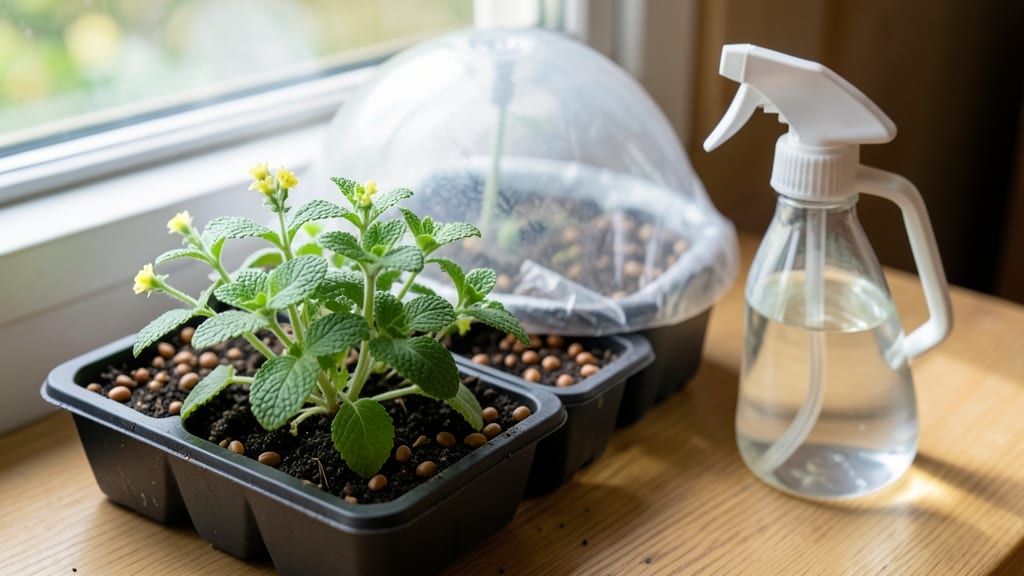
Lemon balm seeds need patience—and the right tricks to break through fast. 🌱 I’ve struggled with slow germination before, but after testing different methods, I found the combo that gets those first green shoots in 14-20 days instead of dragging out to 30.
The secret starts with warm, moist soil and a clear plastic dome to trap humidity. Lemon balm seeds are tiny, so planting them just ¼-inch deep in well-draining potting mix is key. Too deep, and they’ll rot; too shallow, and they dry out.
A heat mat set to 70-75°F speeds things up dramatically—no more waiting weeks for sprouts. Once they pop, keep the soil consistently moist but never soggy. Thin seedlings to 6 inches apart when they’re 2 inches tall, and you’ll have lush, fragrant plants ready to transplant in 6-8 weeks.
The aroma alone makes the effort worth it. Honestly, though—if you’re impatient like me, consider propagating from cuttings instead. They root faster and with fewer headaches. But if you’re determined to grow from seed, these tricks will get you there reliably.
📚 In This Guide
- What you need
- Instructions
- Tips and common mistakes
- Wrapping up and next steps
What you need
- ● Lemon balm seeds: High-quality, organic seeds (about 10-20 seeds for a small batch). Choose seeds labeled for germination (some may require scarification).
- ● Seed-starting mix: A lightweight, sterile potting mix (e.g., ProMix or FoxFarm Seedling Mix). Avoid garden soil—it’s too dense!
- ● Seed trays or small pots: 2-3 inch pots or a seed tray with drainage holes (6-12 cells).
- ● Clear plastic domes or plastic wrap: To create a humidity-friendly environment.
- ● Spray bottle: For gentle watering (avoid over-saturating the soil).
- ● Grow lights or sunny windowsill: Lemon balm loves 6-8 hours of light daily. A LED grow light works best for indoor setups.
- ○ Heat mat (optional but helpful): Keeps soil warm (70-75°F) to speed up germination.
- ● Fine-mesh screen or paper towels: For pre-soaking seeds if scarification is needed (scratch the seed coat lightly with sandpaper first!).
- ● Tweezers or pencil: For gently pressing seeds into the soil (no deeper than ¼ inch!).
- ○ Humidity tray (optional): A shallow tray with pebbles and water to boost moisture levels.
- ● Fertilizer (after germination): A balanced liquid fertilizer (e.g., Fish Emulsion 5-5-5) diluted to half-strength.
Instructions for germinating lemon balm seeds quickly
Here's how I get lemon balm seeds sprouting in just days—not weeks—using simple tricks.
🌱 Step 1: Prep Seeds for Faster Germination
Lemon balm seeds have a tough outer coating, so I soak them overnight in lukewarm water to soften it. Place them in a small bowl, cover with water, and let them sit for 12-24 hours. You'll see the seeds swell slightly—that's your signal they're ready to plant.
After soaking, drain the seeds and gently pat them dry with a paper towel. This prevents rot while keeping them hydrated. I like to do this step the night before planting so everything's ready to go in the morning.
💧 Step 2: Fill Containers and Plant the Seeds
Use a seed-starting mix (not garden soil) in small pots or a flat tray. Fill containers to within ½ inch of the rim and moisten the soil until it's damp but not soggy. Lemon balm seeds are tiny, so I tap them gently onto the soil surface rather than burying them.
Cover them with a thin layer of soil—just enough to hide the seeds, about ⅛ inch deep. Press lightly to ensure good soil contact. I like to plant them in groups of 3-4 per pot since lemon balm spreads easily and can be thinned later.
☀️ Step 3: Provide Warmth and Humidity
Lemon balm seeds germinate best in 70-75°F soil. Place the containers in a warm spot, like on top of a refrigerator or near a sunny window. Cover the pots with plastic wrap or a humidity dome to trap moisture—this mimics the damp, shaded forest floor where lemon balm naturally grows.
Check daily for condensation on the plastic. If it's dry inside, mist the soil lightly and reseal. You should see sprouts in 7-14 days, but with the soaking trick, I often get them popping up in just 5-7 days. Keep the soil consistently moist but never waterlogged during this time.
🌿 Step 4: Thin and Transplant Seedlings
Once the seedlings have 2-3 true leaves (the first set of leaves after the initial sprouts), it's time to thin them. Use small scissors to snip the weakest seedlings at soil level, leaving the strongest one per pot. This prevents overcrowding and gives the remaining plant room to grow.
When seedlings are about 3-4 inches tall, transplant them into individual pots or directly into the garden. Lemon balm thrives in partial shade, so choose a spot with 4-6 hours of sunlight daily. Water deeply after transplanting to help them establish roots.
⏰ Step 5: Maintain Moisture for Strong Growth
After germination, lemon balm seedlings need consistent moisture but good drainage. Water when the top inch of soil feels dry. I like to water in the morning so the leaves have time to dry out, which reduces the risk of fungal diseases.
Fertilize lightly with a balanced, water-soluble fertilizer every 4-6 weeks to encourage lush growth. Lemon balm is hardy and forgiving, but it rewards consistent care with vigorous, fragrant foliage. Once established, it can spread quickly, so keep an eye on it if you want to control its growth.
Tips & tricks for germinating lemon balm seeds quickly
These little tricks will help you bypass the weeks-long wait and get your lemon balm sprouting in record time.
Soak Smart: That 12-24 hour soaking period is your secret weapon. I've found using lukewarm water (around 80°F) works best—too hot and you risk damaging the seeds. If you're impatient, you can actually soak them for up to 48 hours (though 24 is ideal), but don't exceed that or you risk seed rot. The key is watching for that slight swelling—it's your visual cue they're ready for planting.
Layering for Success: When planting those tiny seeds in Step 2, I like to create a mini greenhouse effect by placing the planted pots inside a larger clear plastic bag. This traps even more humidity than just the plastic wrap, which can shave off 1-2 days from your germination time. Just make sure to leave a tiny opening for airflow—you don't want to suffocate those little sprouts.
Heat Hack: The 70-75°F soil temperature is crucial, but here's my pro move: I place the pots on top of my refrigerator (not the lighted top, but the actual fridge body). Most fridges maintain a consistent 72-74°F on the back or sides, which is perfect for lemon balm. If you don't have that option, a seedling heat mat set to low (around 70°F) works wonders—just don't let it get any warmer or you'll cook those seeds.
Lighting Strategy: While lemon balm thrives in partial shade, those first few weeks after germination are different. I keep my seedlings under a simple LED grow light for 12-14 hours a day during this critical period. This gives them the energy boost they need to develop strong stems before they get their permanent partial shade spot. After they've been transplanted and have 2-3 true leaves, you can move them to their preferred 4-6 hours of sunlight.
Pro Tips for Lemon Balm Seed Germination
- These little tricks will help you bypass the weeks-long wait and get your lemon balm sprouting in record time.
- Soak Smart: That 12-24 hour soaking period is your secret weapon.
- Layering for Success: When planting those tiny seeds in Step 2, I like to create a mini greenhouse effect by placing the planted pots inside a larger clear plastic bag.
Frequently asked questions
Got questions about germinating lemon balm seeds? You’re not alone! Here are some of the most common queries—and straightforward answers—to help you grow like a pro.
How long does it take for lemon balm seeds to germinate?
Lemon balm seeds are slow starters! Expect germination in 3 to 4 weeks under ideal conditions (warmth, moisture, and light). Some seeds may take up to 6 weeks. Patience is key—don’t give up if sprouts don’t appear right away!
Can I speed up germination with cold treatment (stratification)?
Yes! Lemon balm seeds benefit from stratification (chilling). Place seeds in a damp paper towel in a sealed bag and refrigerate for 2–4 weeks before planting. This mimics winter’s natural process and can double your success rate.
What’s the best soil mix for lemon balm seed germination?
Use a light, well-draining mix like:
- 50% peat moss or coco coir
- 30% perlite or vermiculite
- 20% compost or worm castings
Why aren’t my lemon balm seeds sprouting? Troubleshooting tips.
If your seeds refuse to sprout, check these common culprits:
- Too cold: Lemon balm thrives at 70–75°F (21–24°C). Use a seedling heat mat if needed.
- Dampness issues: Overwatering causes rot; underwatering stalls growth. Aim for consistent moisture.
- Old seeds: Lemon balm seeds lose viability after 1–2 years. Test freshness with a float test (sink = viable!).
- Light needs: Seeds need bright, indirect light (no direct sun yet!). A grow light helps.
Can I grow lemon balm from cuttings instead of seeds?
Cuttings are easier and faster than seeds. Snip a 4–6 inch stem, remove lower leaves, and place it in water or moist soil. Roots form in 2–3 weeks. Once established, transplant outdoors—this method preserves the parent plant’s traits!
Wrapping up and next steps
Growing lemon balm from seed is a rewarding journey—just remember, patience and consistency are your best tools! With the right conditions, warm soil, and a little TLC, you’ll soon be harvesting fresh, fragrant leaves for tea, cooking, or stress relief. 🌱
Now that you’re armed with pro tips, why not start your seeds today? Grab your supplies, follow the steps, and soon you’ll be enjoying the calming benefits of this versatile herb. Happy gardening!