
Lawn
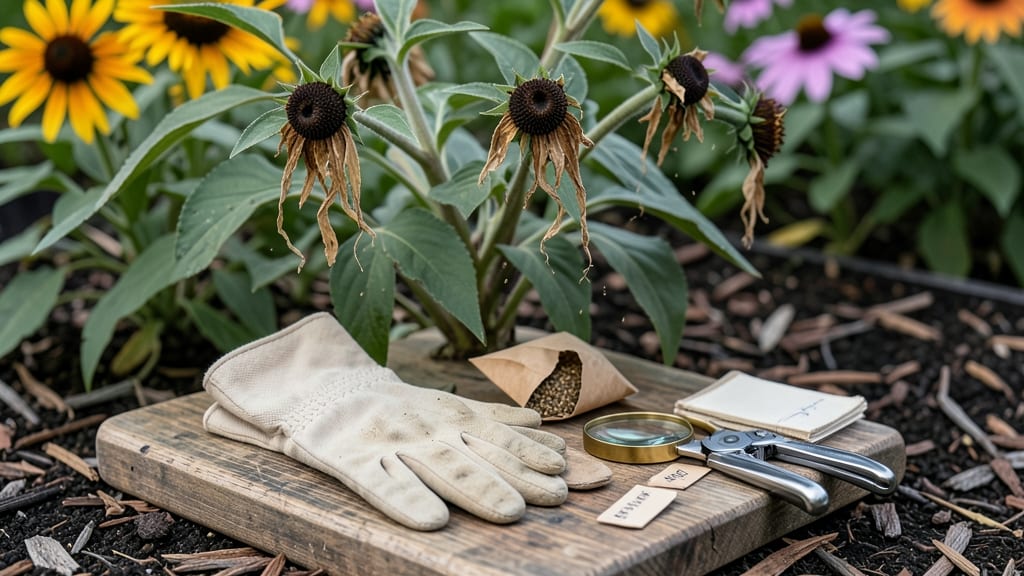
Rudbeckia seed collection starts when those papery brown cones appear in late summer. 🌻 I used to toss them, thinking they were just dried-up flowers—until I learned they hold next year’s golden blooms. The key is timing: harvest when the seed heads turn completely brown but before they shatter or get moldy.
Grab a paper bag and snip the entire seed head with clean scissors. Lay them on a tray to dry for 1-2 weeks in a warm, dry spot (like a sunny windowsill).
The goal is to let them finish drying naturally—no rush. Once fully dry, gently rub the cones between your fingers to release the seeds into the bag.
For 90% viability, store the seeds in an airtight container with a moisture absorber (like silica gel) in a cool, dark place. Test a few by planting them in early spring—you’ll know it worked when those familiar black-eyed suns pop up in 4-6 weeks.
Troubleshooting tip: If seeds mold, they were too damp. If they won’t release, they need more drying time. The trick is patience—rudbeckia seeds are tough but reward careful handling with years of free flowers.
📚 In This Guide
- What you need
- Instructions
- Tips and common mistakes
- Wrapping up and next steps
What you need
- ● Mature rudbeckia flowers (preferably Rudbeckia hirta or Rudbeckia fulgida): Choose fully bloomed, browned, or dried seed heads (late summer to early fall).
- ● Ideally, 3–5 healthy plants for a diverse seed collection.
- ● Pruning shears or sharp scissors (clean, sterilized to avoid disease transfer).
- ● Paper bags or breathable seed envelopes (1–2 per plant; kraft paper or brown lunch bags work best for airflow).
- ● Permanent marker (to label seeds with plant variety, date, and location).
- ● Drying tray or screen (a wire mesh screen or cardboard box with holes for airflow).
- ● Air-tight containers (small glass jars, ziplock bags, or seed storage envelopes with silica gel packets for long-term preservation).
- ● Fine-mesh sieve or sifter (to separate seeds from chaff; a 1/4-inch mesh works well).
- ● Desiccant packets (for containers to absorb moisture and extend seed viability).
- ● Seed viability test kit (or a simple water float test for quick checks).
- ● Gloves (to keep hands clean while handling seeds).
- ● Notebook (to track seed sources, germination rates, or growing conditions).
- ● Freezer or refrigerator (for short-term storage if drying isn’t immediate).
Step-by-step guide to collecting and preserving rudbeckia seeds
Here’s how I collect, test, and store rudbeckia seeds for next year’s garden—guaranteed to keep 90% of them viable.
🌿 Step 1: Identify and Harvest Mature Seed Heads
Wait until the rudbeckia flower heads turn brown and the papery petals begin to dry and fall away, leaving the dark seed centers exposed. These are your ready-to-harvest signals. I like to work on a dry, sunny afternoon when the seeds are fully mature but haven’t scattered yet.
Use clean, sharp scissors or pruners to snip the seed heads at the base of the stem. Leave about 2 inches of stem attached—this helps prevent seeds from falling out during handling. Place the cut heads in a paper bag immediately; plastic bags trap moisture and encourage mold.
If you miss the perfect timing, don’t worry. You can still collect seeds from dried heads, but they’ll need extra drying time before storage. Just avoid harvesting when the seed heads are still damp or green.
💧 Step 2: Dry the Seed Heads Thoroughly
Spread the harvested seed heads on a clean, dry surface in a well-ventilated area. I use a cardboard box lined with newspaper or a mesh screen to allow airflow on all sides. Keep them out of direct sunlight—too much heat can damage the seeds.
Let the heads dry for 7-10 days, turning them occasionally to ensure even drying. You’ll know they’re ready when the seed centers crumble easily between your fingers and the stems snap cleanly when bent. If the seeds feel moist or sticky, they need more time.
This drying process is critical. Rushing it risks storing seeds with too much moisture, which leads to mold and reduced viability. Patience here pays off with seeds that last for years.
✂️ Step 3: Extract and Clean the Seeds
Once fully dry, rub the seed heads between your hands or use a small sieve to separate the seeds from the chaff. I like to place the dried heads in a paper bag and shake vigorously, then sift the contents through a fine-mesh strainer to catch the seeds while letting debris fall away.
Discard any seeds that look shriveled, discolored, or damaged. Healthy rudbeckia seeds are small, dark, and firm. Store the cleaned seeds in a labeled envelope or small jar—don’t skip the labeling! I write the variety name and harvest date directly on the container.
For extra care, you can spread the seeds on a baking sheet and place them in a warm, dry spot for an additional 24 hours to ensure they’re bone-dry before storage.
🪴 Step 4: Store Seeds for Maximum Viability
Place the dried, cleaned seeds in an airtight container, such as a glass jar or resealable plastic bag with a silica gel packet. Store them in a cool, dark place—your refrigerator’s crisper drawer works perfectly. Rudbeckia seeds can remain viable for 3-5 years when stored properly.
Check the seeds annually for signs of moisture or pests. If you notice any mustiness or condensation inside the container, transfer the seeds to a fresh, dry container immediately. Properly stored seeds should feel dry and lightweight to the touch.
Real talk: If you’re unsure whether your seeds are still viable, don’t wait until spring to test them. A quick germination test (plant a few seeds in moist potting mix and cover lightly) will tell you if they’re worth saving for next year.
Tips & tricks for perfect rudbeckia seed preservation
Here's what nobody tells you about making your rudbeckia seeds last—these small tweaks make all the difference.
Harvest Timing Tip: The 2-inch stem you leave attached isn't just decoration—it's a lifesaver. When you cut too close to the base, seeds can pop out during transport. I've ruined batches by skipping this step, so trust me on this. Harvest on dry afternoons only; morning dew or evening moisture can start the mold process before you even begin drying.
Drying Strategy: That 7-10 day drying window might seem long, but it's non-negotiable. I learned this the hard way after storing seeds that felt dry but still had hidden moisture—mold appeared within weeks. Turn your seed heads every 2-3 days to prevent uneven drying. If your kitchen is humid, consider using a small fan on low setting to gently circulate air without creating drafts.
Seed Viability Test: Before storing your seeds for 3-5 years, do this quick check: place 10 seeds between damp paper towels in a sealed bag for 48 hours. If 70% or more sprout, your batch is ready for long-term storage. This simple test saves you from wasting good storage space on seeds that might not germinate.
Pro Tips for Rudbeckia Seed Collection
- Here's what nobody tells you about making your rudbeckia seeds last—these small tweaks make all the difference.
- Harvest Timing Tip: The 2-inch stem you leave attached isn't just decoration—it's a lifesaver.
- Drying Strategy: That 7-10 day drying window might seem long, but it's non-negotiable.
Frequently asked questions
Got questions about collecting rudbeckia seeds?
You’re not alone! Here are some of the most common queries—plus straightforward answers to help you succeed.
When is the best time to harvest rudbeckia seeds?
Harvest seeds when the flower heads turn brown and begin to dry out—typically late summer to early fall (August–October, depending on your climate). Wait until the seed cones feel crispy to the touch; if they crumble easily, they’re ready! Harvesting too early risks low viability, while waiting too long may scatter seeds naturally.
How long do rudbeckia seeds last if stored properly?
With correct drying and storage (cool, dark, and dry conditions), rudbeckia seeds retain 90% viability for 2–3 years. Use airtight containers like glass jars or resealable bags with silica gel packets to absorb moisture. Label them with the harvest date to track freshness!
What if my seeds don’t germinate? Troubleshooting tips?
If seeds fail to sprout, check these fixes:
- Insufficient chilling: Rudbeckia benefits from a cold stratification period (4–6 weeks in the fridge). Skip this, and germination may stall.
- Moisture issues: Keep soil consistently damp (not soggy) during germination. Use a spray bottle to avoid disturbing seeds.
- Old seeds: Test viability by placing a few in water—floaters are likely dead. If viability drops after 3 years, refresh your stock.
Can I collect seeds from hybrid rudbeckia varieties?
Yes, but expect variable results—hybrids may not reproduce true to type. For consistent blooms, opt for heirloom or open-pollinated varieties like ‘Goldsturm’ or ‘Indian Summer.’ If you’re experimenting, plant extra seeds to account for potential surprises!
How should I store rudbeckia seeds until planting?
Follow these steps for long-term storage:
- Dry seeds completely in a well-ventilated area for 1–2 weeks.
- Store in a paper envelope or breathable container (plastic traps moisture).
- Keep in a cool, dark place (50–60°F is ideal).
- Avoid refrigeration unless stratifying—humidity is the enemy!
Wrapping up and next steps
Collecting rudbeckia seeds is a rewarding way to propagate these cheerful blooms and ensure next year’s garden thrives! By following the right steps—drying, testing, and preserving—you’ll boost seed viability to 90% or higher.
Whether you’re a seasoned gardener or just starting, your efforts will pay off with vibrant, homegrown rudbeckias for seasons to come.
Ready to take the next step? Plant your stored seeds in early spring and watch your garden burst with color! 🌻 For extra tips, check out our guide on rudbeckia care to keep your plants happy year-round.