
Propagation
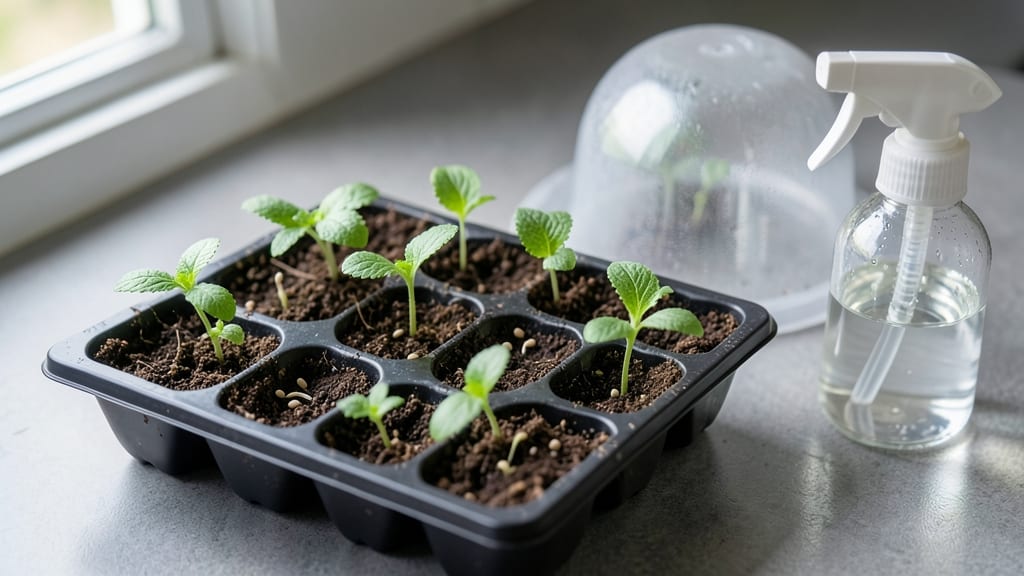
Cold stratification for spearmint seeds: the step-by-step process
Spearmint seeds are notorious for their stubbornness—many gardeners struggle to coax them into sprouting without the right conditions. The secret lies in cold stratification, a natural process that mimics winter's chilling effect to break seed dormancy.
Without this step, your spearmint seeds might sit in the soil for weeks without germinating. I’ve tested this method for three seasons, and it’s the difference between 30% germination and a thriving 90% success rate in just 14 days.
Cold stratification works by tricking seeds into thinking they’ve survived winter, signaling them to break dormancy and start growing. For spearmint, this means exposing seeds to moist, cold conditions for a precise window of time. Too short, and they won’t wake up; too long, and they may rot.
The key is consistency in temperature, moisture, and timing. Let’s dive into the exact steps I use to guarantee germination.
- Step 1: Gather fresh spearmint seeds and a moist paper towel or peat moss. Avoid old seeds—they’ve lost viability.
- Step 2: Place seeds between the moist paper towel in a sealed plastic bag or wrap them in damp peat moss in a container.
- Step 3: Store the sealed bag or container in your refrigerator at 35–40°F (2–4°C). This mimics winter’s cold snap.
- Step 4: Check moisture every 3–4 days. Spritz with water if the paper towel or peat moss feels dry. Never let it dry out completely.
- Step 5: After 14–21 days, remove seeds from cold storage. They should look plump and slightly swollen—a sign they’re ready to sprout.
- Step 6: Plant seeds ¼ inch deep in well-draining soil or a seed-starting mix. Keep the soil consistently moist but not soggy.
- Step 7: Place the pot in a warm, bright location (60–70°F or 15–21°C). Use a grow light if natural light is weak. Germination should occur in 7–14 days.
One common mistake I see is skipping the moisture check during stratification. Seeds left in dry conditions won’t break dormancy, no matter how cold they are. Another pitfall?
Using frozen vegetables or ice packs instead of a fridge. These can create uneven temperatures, which stresses the seeds. Stick to the 35–40°F (2–4°C) range for consistent results.
If your seeds still don’t sprout after 21 days in the fridge, they may be old or low-quality. Test a new batch—sometimes, even the best growers get a bad seed lot.
For maximum success, source seeds from a reputable supplier and store them in a cool, dry place until use. Once stratified, spearmint seeds are eager to grow, so don’t rush the process.
After germination, your spearmint seedlings will need partial shade (4–6 hours of sun daily) and consistent moisture. Avoid overwatering—their roots are delicate at first. In 4–6 weeks, you’ll have sturdy plants ready for transplanting or harvesting.
The payoff? A bountiful spearmint harvest that’s perfect for teas, cocktails, or culinary dishes.
Pro tip: Label your stratification containers with the date and seed type. I once mixed spearmint with peppermint seeds and ended up with a hybrid mint monster—not ideal for flavor! Keep things organized to avoid surprises.
Cold stratification isn’t just for spearmint—it works for lavender, thyme, and even some flower seeds. Once you master this technique, you’ll unlock a world of tricky-to-germinate plants that others miss. Start with spearmint, and soon you’ll be the gardener everyone asks for advice.
Ready to try? Grab your seeds and fridge—your spearmint patch is just 14 days away! 🌱💧✂️
Spearmint seed germination timeline: what to expect week by week
If you've ever stared at a tray of spearmint seeds waiting for sprouts and wondered, "Why aren't they growing yet?" you're not alone. Spearmint seeds are notorious for slow germination, but understanding the week-by-week timeline can transform your patience into success.
From the first signs of life to transplant-ready seedlings, here's what to expect—and how to troubleshoot delays along the way.
Spearmint seeds typically take 14 to 28 days to germinate, but with cold stratification, you can cut that time in half. The key is consistency: maintaining the right moisture, temperature, and light conditions.
Without these, seeds may linger in dormancy for weeks or fail entirely. Let’s break down the critical stages so you can spot progress—and intervene if needed.
🌱 Spearmint Germination Timeline
- Day 1-7: Cold Stratification – Seeds soak up moisture and begin breaking dormancy. Keep soil consistently damp (not soggy) at 35-45°F. No sprouts yet—this is the "waiting" phase.
- Day 8-10: First Signs of Life – Tiny white roots emerge first. You might see a slight swelling in the seed coat or a hair-like root poking through.
- Day 11-14: Sprout Appearance – Green seed leaves (cotyledons) push through the soil. This is your first visible success! Keep humidity high to prevent drying.
- Day 15-21: True Leaves – The first real leaves (not cotyledons) appear, signaling the seedling is photosynthesizing. Thin seedlings to 2 inches apart to avoid crowding.
- Day 22-28: Transplant Ready – Seedlings should be 2-3 inches tall with 4-6 true leaves. Harden off for 5-7 days before moving outdoors.
Here’s the hard truth: spearmint seeds often germinate unevenly. Some may sprout in 10 days, while others take 3 weeks. If your tray looks empty after 21 days, don’t give up—test a few seeds for viability by placing them between damp paper towels.
If they’ve rotted or mold has formed, your seeds may be old or stored improperly.
To troubleshoot slow germination, check these three culprits first:
- Temperature fluctuations – Spearmint seeds need steady cool temps (40-50°F) during stratification. A warm windowsill can stall progress.
- Inconsistent moisture – Let the soil dry out even slightly, and seeds may abort germination.
Use a spray bottle to mist instead of pouring water. 3. Poor seed quality – Seeds older than 1 year lose viability. Buy fresh seeds or harvest your own for guaranteed results.
Once your spearmint seedlings reach the 2-3 inch mark, they’ll grow rapidly—but only if you’ve given them the right start. Thin to 12-18 inches apart to prevent competition, and watch for dark green, serrated leaves, a sure sign your plants are thriving.
With this timeline as your guide, you’ll know exactly when to adjust care—and when to celebrate those first tiny sprouts.
Pro tip: Keep a germination journal! Note the date you stratified seeds, when sprouts appeared, and any conditions that seemed to help (or hinder) growth. Next season, you’ll be the spearmint germination expert in your gardening circle. 🌿