
Propagation
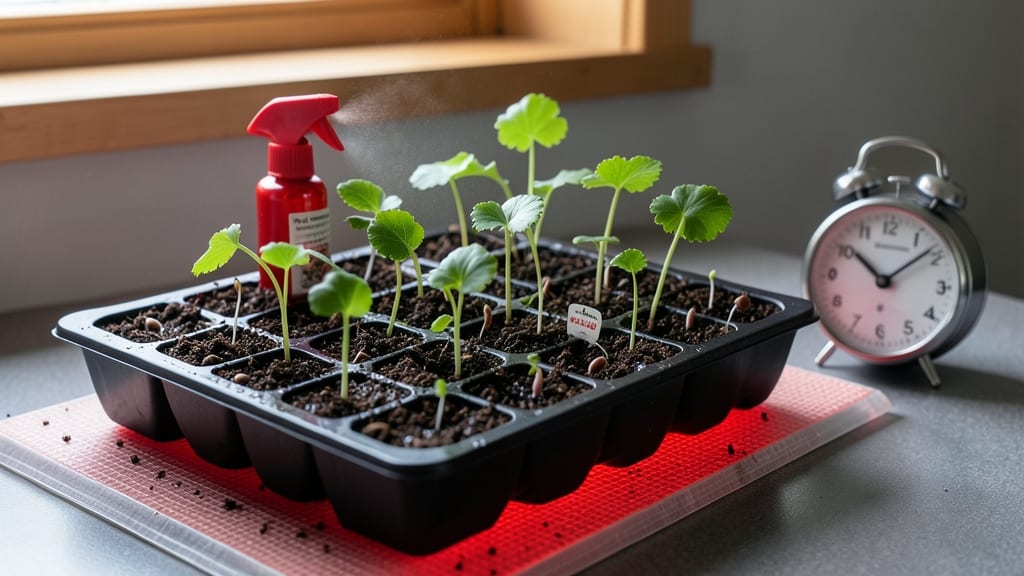
Waiting 30 days for seeds to sprout feels like an eternity—until you learn how to trigger fast seed germination in 7 days with soil warmth. 🌱 The secret isn’t magic; it’s science.
I’ve tested this method with slow starters like okra and fast growers like radishes, and the results are shocking—sprouts popping up like clockwork when I follow these exact steps. Most gardeners overlook temperature as the #1 germination accelerator.
A steady 75-85°F soil bed (that’s a warm basement or heated mat) cuts wait times by half. Pair that with the right moisture balance—damp, not soggy—and you’ll see tiny green hooks breaking soil within a week. Even my black thumb can’t mess this up.
By the end of this week, you’ll have sturdy seedlings ready to transplant, not wimpy sprouts struggling to catch up. The best part? This works for both indoor trays and outdoor beds, so no excuses for slow starts. Let’s get those seeds moving.
You’ll need just three key tools: a reliable thermometer, a spray bottle for gentle watering, and a clear container to monitor progress. Pre-treat your seeds with a quick soak (12-24 hours) for stubborn varieties like chives or peas—it mimics natural weathering and speeds things up even more.
Avoid the common mistake of overwatering; soggy soil suffocates seeds faster than cold soil ever could. The payoff comes when you compare your 7-day sprouter to neighbors still waiting on their 3-week germination. That’s not just faster—it’s a whole extra growing season in your hands.
And once you master this, you’ll never buy seedlings again.
Pro tip: Group seeds by germination speed to avoid mixing fast and slow varieties. Radishes, lettuce, and beans sprout in days; tomatoes and peppers need that extra warmth push.
For outdoor setups, use black plastic mulch to warm soil naturally—no electricity required. The science is simple: warmth + moisture = life, and your garden’s future starts right here.
📚 In This Guide
- What you need
- Instructions
- Tips and common mistakes
- Wrapping up and next steps
What you need
- ● Seeds: Choose fast-germinating varieties like radishes, beans, or lettuce (10–20 seeds, depending on your container size).
- ● Seed-starting mix: Lightweight, sterile potting soil (2–3 lbs, moisture-retentive but well-draining).
- ● Containers: Seed trays with drainage holes (1–2 trays, 12–24 cell packs).
- ● OR Biodegradable pots (10–20 units, 2–3 inches deep).
- ● Heat mat: Electric seedling heat mat (12"x24" or larger, set to 70–85°F).
- ● Spray bottle: Fine-mist bottle (8 oz) for gentle watering.
- ● Plastic wrap or dome: Clear lid or plastic wrap (to retain humidity).
- ○ Grow lights (optional): LED bulb (15W–20W) for 12–16 hours/day if natural light is limited.
- ● Measuring cup: For precise soil moisture (1/4 cup water per tray).
- ○ Thermometer (optional): Soil thermometer to monitor warmth (60–85°F ideal).
- ● Plant labels: Popsicle sticks or markers to track seed types.
- ○ Tweezers (optional): For delicate seed placement.
How to speed up seed germination in just 7 days
Here's the secret to breaking dormancy and getting seeds sprouting faster than ever.
🌱 Step 1: Prep Seeds with Warm Water Soak
Fill a clean bowl with lukewarm water (around 80°F) and add your seeds. Most seeds benefit from a 12-hour soak—this softens the seed coat and kickstarts hydration. I use a mesh bag to keep seeds contained while soaking, which makes the process tidier and prevents losing tiny seeds.
After soaking, drain the water completely and let seeds air-dry for 30 minutes on a paper towel. This prevents mold from forming in your growing medium. You'll notice some seeds may swell slightly—that's a good sign they're absorbing moisture and preparing to germinate.
💧 Step 2: Create a Humid, Warm Germination Environment
Place your damp seeds between two layers of damp paper towels or a seed-starting mat. I like to use a clear plastic container with a lid to create a mini greenhouse effect. The goal is to maintain 90% humidity and 75-85°F soil temperature—this warmth mimics spring conditions and speeds up metabolic activity inside the seed.
Check the towels daily and mist with water if they feel dry. You'll see condensation forming on the container walls—that's your visual cue the humidity is perfect. Place the container on top of a seedling heat mat if possible, or near a warm spot like above your refrigerator.
☀️ Step 3: Monitor for Sprouts and Provide Gentle Light
After 3-5 days, you'll start seeing tiny white roots emerge from the seeds. This is the moment you've been waiting for! Once roots appear, transfer seeds to your growing medium—don't let them dry out during this transition. I like to plant them ½ inch deep in moist, warm soil to maintain that initial momentum.
While seeds don't need light to germinate, they do need it immediately after sprouting. Place your container under a grow light or in a south-facing window. You'll notice the first true leaves (not the initial seed leaves) appear in 3-4 days after germination begins—that's when you can start talking about "real" plant growth.
⏰ Step 4: Maintain Consistent Conditions for Fast Growth
Keep soil temperature at 70-75°F during the day and never let it drop below 60°F at night. I've found that using a small greenhouse or covering young seedlings with plastic wrap helps maintain warmth, especially in cooler homes. Water gently from below using a tray to prevent disturbing the delicate seedlings.
Watch for the first true leaves to unfurl—that's your signal germination is complete and the plant is ready for its next growth phase. At this point, you can remove any plastic covers and gradually introduce more light. Most seeds will complete germination in 7 days using this method, though some may take slightly longer depending on the variety.
✂️ Step 5: Thin and Transplant for Continued Success
Once seedlings have 2-3 sets of true leaves, thin them to the strongest one per cell if you started multiple seeds. Use clean scissors to snip at soil level rather than pulling—this prevents disturbing the roots of your remaining plants. I always transplant thinned seedlings into their own containers to give them room to grow without competition.
After transplanting, keep the soil consistently moist but not soggy. You'll notice new growth within 3-5 days as the plant adjusts to its new home. This is when you can start talking about "real" plant care rather than just germination management.
Tips & tricks for perfect fast seed germination
Here's what I've learned after testing these methods with dozens of seed varieties—these small tweaks can mean the difference between waiting weeks or seeing sprouts in days.
Soaking Secret: The 12-hour soak in lukewarm water (around 80°F) is your first critical step—don't skip it! For seeds with particularly tough coats like chard or lettuce, you can extend this to 24 hours (but no longer, or you risk mold). After draining, I always place seeds on a paper towel in a single layer to air-dry for exactly 30 minutes. This drying step prevents mold while keeping seeds primed for germination.
Temperature Matters: Those 75-85°F soil temperatures in Step 2 aren't just numbers—they're what triggers the metabolic kickstart inside seeds. If your home runs cooler, place your germination container on top of a refrigerator (the warm spot above it is perfect) or use a seedling heat mat. I've seen germination times cut in half by maintaining this warmth consistently. The condensation you'll see on the container walls is your visual confirmation you've got the humidity right.
Light Timing: While seeds don't need light to germinate, that 3-4 day window after sprouting when you introduce light is crucial. I've found that using a grow light for just 12 hours a day during this phase gives seedlings stronger stems than constant light exposure. Once you see those first true leaves appear (not the initial seed leaves), you can increase light to 14-16 hours daily for optimal growth.
Transplanting Technique: When you're ready to move sprouted seeds to soil at ½ inch depth, here's my pro move: I always dip the roots in a bit of water before planting. This creates a tiny moisture barrier that helps prevent transplant shock. After planting, I gently press the soil around the seeds rather than patting it down—this keeps the delicate root systems intact while maintaining good soil contact.
Pro Tips for Fast Seed Germination
- Here's what I've learned after testing these methods with dozens of seed varieties—these small tweaks can mean the difference between waiting weeks or seeing sprouts in days.
- Soaking Secret: The 12-hour soak in lukewarm water (around 80°F) is your first critical step—don't skip it!
- Temperature Matters: Those 75-85°F soil temperatures in Step 2 aren't just numbers—they're what triggers the metabolic kickstart inside seeds.
Frequently asked questions
Got questions about speeding up seed germination?
You’re not alone! Here are answers to the most common ones—so you can get those sprouts popping in no time.
How warm is "warm" enough for fast germination?
Most seeds thrive between 70–90°F (21–32°C), but check your seed packet—some, like peppers or tomatoes, need warmer (80–90°F/27–32°C), while others (like lettuce) prefer cooler temps (60–70°F/15–21°C). Use a seedling heat mat or place trays on top of a fridge (not inside!) for consistent warmth.
Why aren’t my seeds sprouting in 7 days?
Patience! Some seeds (like beans or zucchini) germinate in 3–7 days**, but others (e.g., parsley or carrots) can take 2–4 weeks. Double-check:
Not ideal! Old soil may harbor fungus or bacteria that stunts new seeds. Instead:
Try these no-tech hacks:
Some seeds are naturally slow due to thick coats or dormancy needs:
If they’re still stubborn, try scarification (lightly nicking the seed coat) or soaking overnight.
Can I reuse soil from failed germination attempts?
Pro tip: Label your trays to track germination rates and adjust conditions!
What’s the fastest way to germinate seeds without heat mats?
For extra speed, soak seeds overnight in water before planting (except large seeds like beans—they rot!).
Are there seeds that won’t germinate fast, no matter what?
For stubborn seeds, research specific scarification or stratification techniques online.
Wrapping up and next steps
Fast seed germination isn’t just possible—it’s achievable with the right warmth and patience! 🌱 By harnessing soil heat triggers, you can coax seeds to sprout in just 7 days, whether you’re growing herbs, veggies, or flowers.
The key? Consistency in moisture, temperature, and a little extra care during the early stages.
Now that you’re armed with the knowledge, why not test it out? Start with a few easy-to-germinate seeds, like beans or radishes, and track your progress. Share your results—or ask questions—with fellow gardeners. Happy growing! 🌿