
Lawn
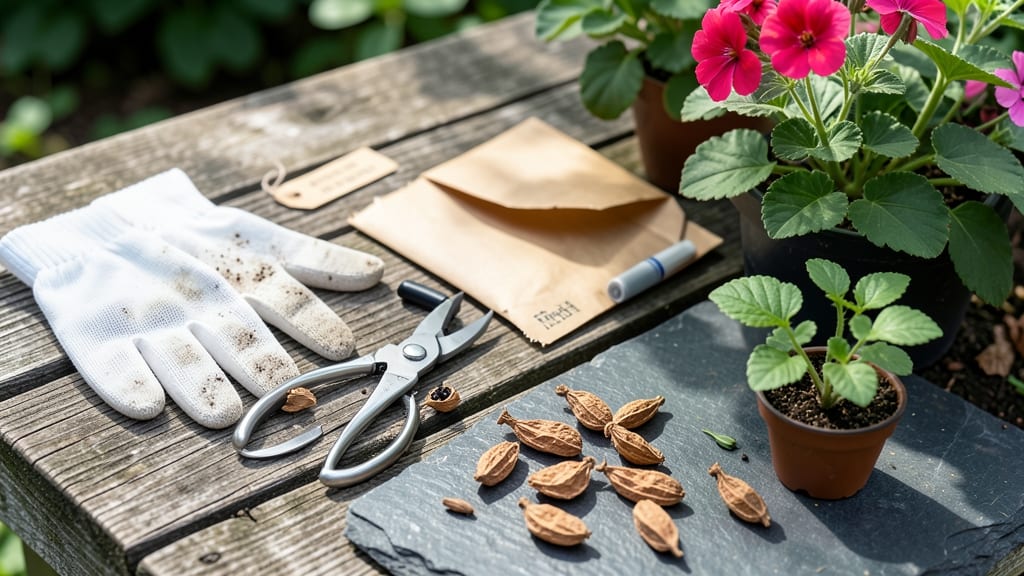
Geranium seed collection unlocks free plants for next season—if you break dormancy right. 🌱 I’ve saved hundreds of dollars by mastering this process, and now I’m sharing the exact steps that work for hardy, zonal, and scented geraniums alike. The best time to harvest is when seed pods turn brown and papery—usually late summer or early fall. Snip them carefully (they’re delicate!) and let them dry completely before cracking open. Store the seeds in a cool, dark place for 2-3 months to mimic winter dormancy, which tricks them into germinating reliably. You’ll end up with stronger, hardier plants than store-bought seedlings, plus the satisfaction of growing heirloom varieties. The key is patience—geranium seeds need that cold treatment to break dormancy, or they’ll just sit there waiting. Works for all geranium types, even finicky ones. Here’s how to avoid the most common mistakes and get those seeds sprouting like clockwork.
📚 In This Guide
- What you need
- Instructions
- Tips and common mistakes
- Wrapping up and next steps
What you need
- ● Mature geranium plants: Choose healthy, disease-free plants with well-developed seed pods (usually after blooming). Aim for at least 3-5 plants for a good seed yield.
- ● Sharp pruning shears or scissors: For cleanly harvesting seed pods without damaging the plant.
- ● Paper bags or breathable fabric sacks: 2-3 medium-sized bags (10x12 inches) to collect and dry seeds.
- ○ Brown paper or newspaper: For lining storage containers (optional but helpful for airflow).
- ● Small cardboard boxes or seed envelopes: For long-term storage (5-10 envelopes, depending on yield).
- ● Labeling tags or masking tape + marker: To track seed varieties and collection dates.
- ● Drying rack or screen: A mesh tray or elevated surface to air-dry seeds (avoid direct sunlight).
- ● Desiccant packets: For low-humidity storage areas to prevent mold.
- ● Seed viability test kit: To check germination rates before planting.
- ● Fine-mesh sieve: For separating seeds from chaff or debris.
- ● Humidity monitor: Ideal storage humidity: 30-40%.
- ● Freezer bags (with zip locks): For extra-long-term storage (up to 5 years).
Step-by-Step guide to collecting and breaking geranium seed dormancy
Here's how I ensure my geranium seeds germinate reliably after collection—no more wasted seed packets!
🌿 Step 1: Harvest Seeds at Peak Maturity
Wait until geranium seed pods turn from green to light brown and begin splitting open naturally. This usually happens 4-6 weeks after flowering, when the pods look dry and papery. I collect seeds on a dry morning after the dew has evaporated to prevent mold.
Gently open the pods with clean fingers or a small knife, avoiding any moisture contact. The seeds inside should be dark brown and firm—if they're still green or soft, they're not ready. Store them in a paper envelope (not plastic) in a cool, dry place until stratification.
⏰ Step 2: Stratify Seeds to Break Dormancy
Geranium seeds require cold stratification to mimic winter conditions. Place the seeds in a ziplock bag with a moistened paper towel (not soggy—excess water causes rot). Seal the bag and refrigerate for 8-12 weeks at 35-40°F. Check weekly to ensure the towel stays damp but not dripping.
This cold period tricks the seeds into thinking winter has passed, triggering germination hormones. If you forget to refrigerate, seeds may stay dormant for months—or never sprout at all.
🌱 Step 3: Sow Stratified Seeds Indoors
After stratification, fill 2-3 inch deep seed trays with sterile seed-starting mix (never garden soil—it's too dense). Moisten the mix until it holds together when squeezed but doesn’t drip. Press seeds ¼ inch deep—too shallow and they’ll dry out before sprouting.
Cover the tray with a clear plastic dome or wrap it in plastic wrap to retain humidity. Place in a warm spot (70-75°F)—a seedling heat mat speeds germination. You’ll see first sprouts in 14-21 days.
☀️ Step 4: Provide Light and Harden Off Seedlings
Once seedlings emerge, remove the dome immediately to prevent damping-off disease. Move them under grow lights (14-16 hours/day)—a south-facing window alone won’t provide enough intensity. Keep lights 2-3 inches above seedlings and raise them as plants grow.
After 4-6 weeks, when seedlings have 3-4 true leaves, start hardening off. Place them outside in partial shade for 1-2 hours daily, gradually increasing exposure over 10-14 days. This prepares them for transplanting after the last frost.
Tips & tricks for perfect geranium seed dormancy breaking
Took me years of trial and error to perfect these strategies—here's how I ensure every batch of geranium seeds breaks dormancy reliably.
Timing Secret: In Step 1, don't rush the 4-6 week waiting period after flowering. The pods need this time to fully mature—green pods contain immature seeds that won't germinate. I mark the flowering date on my calendar to track the exact 4-6 week window. If you're impatient, you can gently squeeze a pod to check readiness: it should open easily with light pressure, revealing firm brown seeds inside.
Temperature Matters: For Step 2's cold stratification, consistency is key at 35-40°F. I use my refrigerator's crisper drawer (usually around 38°F) rather than the main compartment, which can fluctuate. If your fridge runs warmer, place the bag on the bottom shelf where it's coolest. The goal is to mimic natural winter conditions—too warm and the seeds won't break dormancy properly.
Sowing Technique: When planting in Step 3, I press seeds just barely below the surface—no need to go deeper than ¼ inch. Use your finger to make small dimples in the soil first, then place seeds in them. This ensures proper contact with the moist soil while preventing them from drying out. I also find that gently pressing the soil around each seed helps maintain moisture during the critical germination period.
Lighting Strategy: For the 14-16 hour light requirement in Step 4, I use a combination of natural light and a simple LED grow bulb. Position the bulb so it's just 2-3 inches above the seedlings—closer if they look leggy, farther if they're burning. I set a timer for 14 hours on/2 hours off to maintain consistency. The right light spectrum is crucial: regular household bulbs won't provide enough blue light for healthy growth.
Pro Tips for Geranium Seed Collection
- Took me years of trial and error to perfect these strategies—here's how I ensure every batch of geranium seeds breaks dormancy reliably.
- Timing Secret: In Step 1, don't rush the 4-6 week waiting period after flowering.
- Temperature Matters: For Step 2's cold stratification, consistency is key at 35-40°F.
Frequently asked questions
Got questions about collecting and storing geranium seeds? You’re not alone! Here are some of the most common concerns—and straightforward answers—to help you succeed.
When is the best time to collect geranium seeds?
Collect seeds when the geranium seed pods turn brown and begin to split open—usually late summer to early fall. This signals maturity. Avoid collecting too early, as seeds may not germinate properly, or too late, as they could scatter naturally.
How do I break geranium seed dormancy?
Geranium seeds often need a dormancy-breaking trick to germinate. Try stratification (mixing seeds with moist sand and refrigerating for 4–6 weeks) or a quick hot water soak (160°F for 5 minutes) before planting. This mimics winter conditions and tricks seeds into sprouting!
What’s the best way to store geranium seeds?
Store seeds in a cool, dry place (35–40°F) in a sealed container with a desiccant packet to prevent moisture. Label them with the variety and date—seeds stay viable for 2–3 years if stored properly. Avoid plastic bags, which trap humidity.
Can I collect seeds from geraniums grown indoors?
Yes, but indoor geraniums (Pelargonium spp.) rarely produce viable seeds because they’re often sterile hybrids. If you spot seed pods, they’re likely from outdoor true geraniums (Genus Geranium). For indoor plants, consider propagating from cuttings instead!
Why aren’t my geranium seeds germinating?
Common culprits include:
- Improper dormancy breaking—try stratification or a hot water soak.
- Poor soil moisture—keep soil consistently damp (not soggy).
- Old seeds—test viability by planting a few; if none sprout, collect fresh seeds next season.
- Temperature issues—geraniums prefer 65–75°F for germination.
Wrapping up and next steps
Collecting and storing geranium seeds is your ticket to year-round blooms—no matter the season! 🌱 With the right dormancy-breaking techniques, you’ll unlock vibrant flowers and lush foliage, even in cooler months. Whether you’re a seasoned gardener or just starting, this guide gives you the confidence to experiment and grow.
Ready to take the next step? Start by testing your stored seeds this spring, and don’t forget to share your progress with fellow plant lovers. Happy growing—your garden (and future blooms) will thank you! 🌸