
Lawn
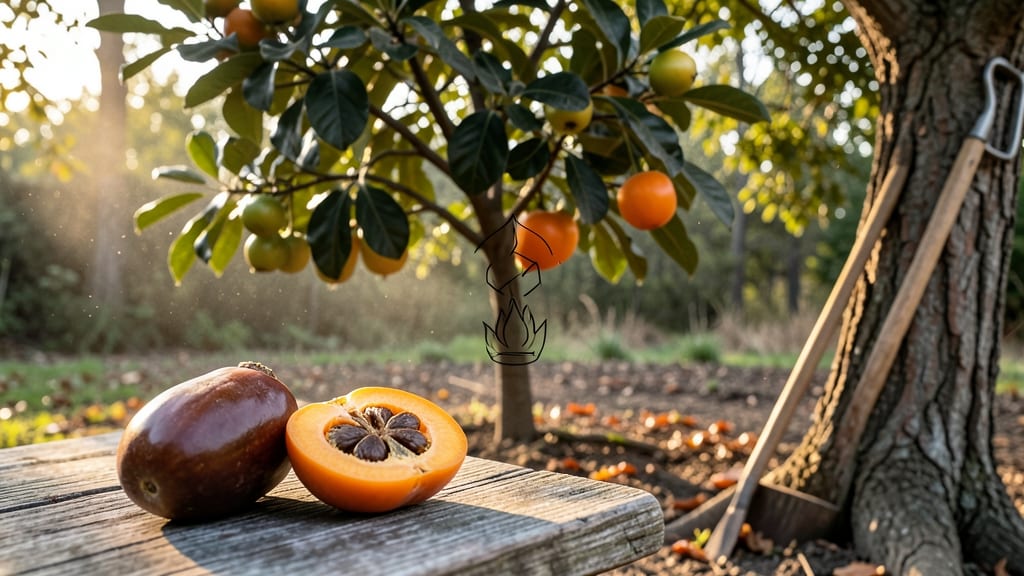
That persimmon seed you spit out might actually grow—if you break the right myth first. 🌱 The truth is, persimmons need a little help to wake up from their deep dormancy, and most gardeners skip the critical steps that make the difference between success and disappointment.
The biggest myth? That persimmon seeds are toxic or won't germinate. They're not poisonous (once dried), but they do require stratification—a cold, moist period that mimics winter—to trigger growth. Without it, you'll wait months for nothing, or worse, give up thinking the seeds are "bad."
The secret isn't magic—it's a simple scarification trick or a fridge trick that tricks the seed into thinking winter's over. Once you crack the code, you'll see sprouts within 4-6 weeks of proper treatment.
The seedlings grow fast, and with the right soil (well-draining but moist), you'll have a tree that thrives in full sun. No more wondering why your seeds fail—just reliable, myth-busted results. Works for both Fuyu (non-astringent) and Hachiya (astringent) varieties. Here's how to do it right the first time.
📚 In This Guide
- What you need
- Instructions
- Tips and common mistakes
- Wrapping up and next steps
What you need
- ● Fresh persimmon seeds: 5–10 seeds (preferably from a ripe, organic persimmon—avoid store-bought varieties treated with preservatives).
- ● Paper towels or coffee filters: 2–3 sheets (for moisture retention during stratification).
- ● Plastic bag or airtight container: A ziplock bag or small Tupperware (to create a humid environment).
- ● Water: Distilled or room-temperature tap water (for soaking).
- ● Small pots or seed trays: 3–4 biodegradable pots or a seed-starting tray (for germination).
- ● Potting soil: Seed-starting mix or well-draining organic soil (sterilized to prevent mold).
- ● Spray bottle: For gentle watering (avoid oversaturating the soil).
- ○ Ruler or measuring tape: To monitor seed growth (optional but helpful!).
- ● Refrigerator: For cold stratification (if testing viability or speeding up germination).
- ○ Heating mat: Optional for warmer climates to maintain soil temperature (70–75°F is ideal).
- ● Grow lights: If natural light is limited (12–16 hours/day for seedlings).
- ● Label markers: To track seed varieties or planting dates.
- ● Pruning shears: For transplanting seedlings once they’re ready.
- ● Notebook: To record observations (e.g., sprouting times, seed health).
How to test persimmon seed viability and germinate them correctly
Here's the straightforward method I use to break the common myth that persimmon seeds won't sprout.
🌱 Step 1: Extract and Prepare the Seeds
Persimmon seeds need proper handling before germination. First, remove them from the fruit carefully—don't crush the seed coat, as it protects the embryo. I like to use a small knife to gently pry seeds from the pulp, then rinse them under cool water to remove any remaining fruit residue. Let them air-dry for 24 hours at room temperature on a paper towel.
Here's the thing—many gardeners assume persimmon seeds are nonviable because they're hard and look dormant. But the seed coat is actually tough to break naturally. After drying, you'll see they're still firm and dark brown. That's normal—they're ready for stratification, which mimics winter conditions and triggers germination.
🌿 Step 2: Stratify Seeds for 3-4 Months
This is where most people give up, but it's the key to success. Place the dried seeds in a paper towel or moistened vermiculite inside a sealed plastic bag. Store them in your refrigerator's crisper drawer (not the freezer) where temperatures stay between 35-45°F for 3-4 months. Check them monthly—they should remain slightly damp but not soggy.
I know it seems like a long wait, but this cold treatment breaks the seed's dormancy. You'll see no visible changes during stratification, but internally, the seed is preparing to germinate. If you skip this step, seeds may never sprout because they won't know it's "springtime" in the garden.
☀️ Step 3: Sow Stratified Seeds in Warm Soil
After stratification, fill a small pot with well-draining potting mix and plant the seeds ½ inch deep. Space them 2 inches apart since persimmon seedlings grow slowly at first. Keep the soil consistently moist but not waterlogged—persimmons hate soggy roots. Place the pot in a warm spot with indirect light until germination begins.
Germination can take 2-4 weeks after sowing, depending on your climate. You'll notice the first sign when a tiny green shoot pushes through the soil surface. Don't be surprised if only some seeds sprout—even with proper stratification, viability varies. I've found that 50-70% germination is typical for fresh persimmon seeds.
💧 Step 4: Provide Optimal Growing Conditions
Once seedlings emerge, move them to a sunny window or under grow lights for 6-8 hours daily. Persimmons need warmth to thrive—keep soil temperatures above 60°F during the day. Water gently when the top inch of soil feels dry, being careful not to disturb the delicate seedlings.
Here's what healthy persimmon seedlings look like: dark green leaves, thick stems, and rapid growth after the first true leaves appear. If seedlings grow leggy or pale, they need more light. You'll see the first true leaves emerge within 3-4 weeks after germination, signaling it's time to transplant into larger containers or the garden.
⏰ Step 5: Transplant Seedlings When Ready
Wait until seedlings have 4-6 true leaves and are at least 6 inches tall before transplanting. Choose a location with full sun and well-draining soil. Persimmons are hardy trees, but they need space—plant them 20-30 feet apart if growing multiple trees for cross-pollination.
This is the moment that matters: persimmons grow slowly at first, so patience pays off. After transplanting, water deeply to help roots establish. You'll see new growth within 2-3 weeks, and by the second year, your tree will start producing fruit. Real talk: it takes 3-5 years for a persimmon tree to bear fruit, but the wait is worth it for those sweet, astringency-free persimmons.
Tips & tricks for perfect persimmon seed germination
The secret to breaking the persimmon seed myth lies in understanding these key steps that make all the difference between success and frustration.
Seed Coat Protection: In Step 1, when you're extracting seeds, resist the urge to crack the seed coat—it's not a sign of poor quality but rather the natural defense mechanism that protects the embryo. The tough outer shell is what allows persimmons to survive harsh conditions, but it also requires stratification to soften. If you accidentally damage the coat, the seed may dry out too quickly during the 24-hour drying period.
Stratification Precision: The 3-4 months of cold treatment at 35-45°F is non-negotiable for breaking dormancy. I've learned this the hard way—skipping stratification means seeds will either take months to sprout or never emerge at all. Place a small thermometer in your fridge's crisper drawer to monitor temperatures. If your fridge runs warmer, consider using a seed stratification kit that maintains consistent cold temperatures.
Germination Timing: Those 2-4 weeks after sowing can feel like forever, but don't rush it. The germination window accounts for climate variations—cooler climates may take the full 4 weeks, while warmer indoor environments might see sprouts in as little as 10 days. Mark your calendar when you plant the seeds to track progress accurately. You'll notice the first shoots appear when the soil surface looks slightly disturbed, like tiny green hairs pushing through.
Lighting Strategy: For Step 4, when moving seedlings to 6-8 hours of daily light, position them within 6-12 inches of grow lights. Persimmons need strong light to develop properly, but too much direct sunlight can scorch delicate seedlings. If you notice leaves turning yellow or stretching toward the light, you're dealing with light deprivation. Rotate the pot daily to ensure even growth on all sides.
Pro Tips for Persimmon Seed Myth
- The secret to breaking the persimmon seed myth lies in understanding these key steps that make all the difference between success and frustration.
- Seed Coat Protection: In Step 1, when you're extracting seeds, resist the urge to crack the seed coat—it's not a sign of poor quality but rather the natural defense mechanism that protects the embryo.
- Stratification Precision: The 3-4 months of cold treatment at 35-45°F is non-negotiable for breaking dormancy.
Frequently asked questions
Got questions about persimmon seeds and their germination myths? You’re not alone! Here are some of the most common queries—and the straight answers you need to tackle them like a pro.
Can you really grow a persimmon tree from a seed?
Yes, but with a caveat! While persimmon seeds can sprout, the resulting tree may not produce fruit identical to the parent plant. Seeds from hybrid varieties (like Fuyu or Hachiya) often yield unpredictable results. For reliable fruit, stick to grafted nursery trees—but growing from seed is a fun experiment!
How long does it take for a persimmon seed to germinate?
Germination can take anywhere from 2 to 6 weeks, depending on conditions. Keep the soil consistently moist (not soggy) and warm (around 70–80°F). Patience is key—some seeds may take longer, especially if stored improperly. A heat mat can speed things up if you’re eager to see sprouts!
Do persimmon seeds need cold stratification?
Not always! Unlike some tree seeds, persimmon seeds don’t always require cold stratification, but it can help break dormancy for faster germination. If you’re in doubt, try this: Soak seeds in water for 24 hours, then refrigerate them in a damp paper towel for 2–4 weeks before planting. Test a few seeds to see what works best for your climate.
What’s the best soil mix for germinating persimmon seeds?
Use a light, well-draining mix like a 50/50 blend of peat moss or coconut coir and perlite or sand. Persimmon seeds dislike waterlogged soil, so add a layer of small gravel at the bottom of your pot for drainage. A seed-starting tray with clear domes keeps humidity high—just remember to vent daily to prevent mold.
Why did my persimmon seed rot instead of sprouting?
Overwatering or poor drainage is usually the culprit! Persimmon seeds are sensitive to excess moisture, which can cause rot. If you notice a foul smell or mushy seeds, reduce watering and ensure your container has drainage holes. Let the top inch of soil dry out slightly between waterings. Pro tip: Sterilize your soil with a light baking (200°F for 30 mins) to kill fungi or bacteria.
Can I plant persimmon seeds directly in the ground?
While possible, start seeds indoors first (6–8 weeks before the last frost) for better control over moisture and temperature. Once seedlings have 2–3 sets of leaves and are at least 6 inches tall, transplant them outdoors after hardening off. Choose a sunny, well-drained spot with 6+ hours of sunlight daily—persimmons thrive in warm climates but can adapt to cooler zones with winter protection.
Wrapping up and next steps
The persimmon seed myth is just that—a myth! While it’s true that fresh persimmon seeds contain tannins
With patience and the right techniques, you can grow vibrant persimmon trees from seeds—adding beauty and potential fruit to your lawn or garden. 🌱 Ready to put this knowledge to work? Grab a few seeds, follow the steps, and start your own persimmon adventure! Share your progress with fellow gardeners or even experiment with different varieties—who knows what you’ll grow? 🌟