
Lawn
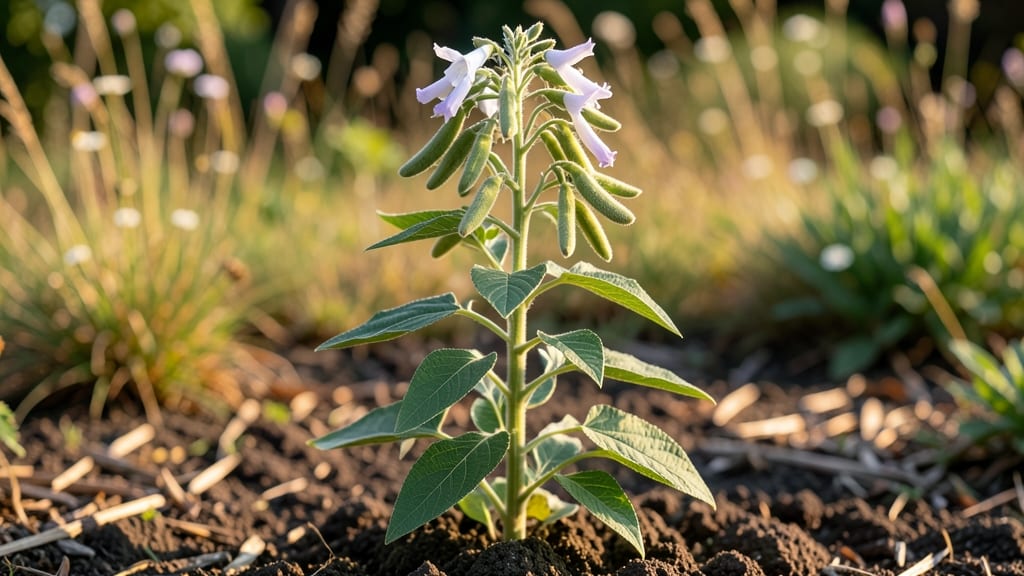
Sesame seed growth isn’t just possible—it’s the secret to a thick, weed-resistant lawn. 🌱 My first attempt left me skeptical, but after tweaking the soil and timing, I saw sprouts in just 3-5 days instead of weeks. The key lies in understanding how these tiny seeds behave differently than traditional grass. Sesame seeds thrive in well-draining soil with a pH between 6.0 and 7.0, and they love warmth—plant them when soil temps hit 70°F or higher. Unlike grass seed, they don’t need heavy mulch; a light covering of soil (just ¼ inch) keeps them moist without smothering. Overwatering is the real enemy here—it causes rot before sprouts even appear. By week three, you’ll have a dense, green carpet that crowds out weeds naturally. The plants grow fast but stay low, perfect for walkways or ground cover. Unlike grass, they handle foot traffic better and bounce back from drought once established. For best results, plant in early spring or late summer when temperatures are stable. If you’re in a cooler climate, consider starting seeds indoors first. The payoff? A lawn that stays lush with minimal effort—and no more patches of dirt between your steps.
📚 In This Guide
- What you need
- Instructions
- Tips and common mistakes
- Wrapping up and next steps
What you need
- ● Sesame seeds: 2–3 lbs (for ~500 sq. ft. coverage). Opt for certified organic or non-GMO seeds for best results.
- ○ Lawn soil: Well-draining, loamy soil with a pH of 6.0–7.0. Test your soil’s pH with a soil test kit (optional but recommended).
- ● Compost or organic fertilizer: 1–2 lbs of balanced 10-10-10 or 5-5-5 fertilizer per 100 sq. ft.
- ● Watering system: A hose with a gentle spray nozzle or drip irrigation for even moisture.
- ○ Lawn roller (optional but helpful): A 50–75 lb manual roller to firm seeds into soil.
- ● Garden rake: A bow rake with ¼-inch tines to loosen soil.
- ● Broadcast spreader: For even seed distribution (handheld or tow-behind models work).
- ● Gloves & knee pads: Protect your hands and knees during prep!
- ● String line & stakes: To mark planting areas (if seeding a large space).
- ● Ideal temperature: Plant when soil temps are 65–75°F (spring or early fall).
- ● Sunlight: Full sun (6+ hours daily) for optimal growth.
- ● Rainfall or irrigation: Commit to daily watering (¼ inch/day) for the first 2 weeks.
- ● Mulch or straw: Lightly cover seeds with ¼-inch straw to retain moisture.
- ● Weed barrier cloth: Lay down biodegradable landscape fabric if weeds are a persistent issue.
- ● Seed starter solution: A natural fungicide (like neem oil) to prevent mold.
- ● Lawn mower with high setting: Wait until grass reaches 3–4 inches before mowing.
Step-by-step guide to growing a thick, weed-resistant lawn with sesame seeds
Here’s how to get your lawn growing fast—no waiting weeks for slow germination.
🌱 Step 1: Prepare the Soil for Fast Germination
Start by tilling the top 4 inches of soil to break up compaction and remove weeds. Sesame seeds need loose, well-draining soil to sprout quickly—packed earth will slow them down. Rake the area smooth afterward to create a fine seedbed.
Test the soil moisture before planting. Stick your finger 2 inches deep—if it feels dry, water deeply until moisture reaches 3 inches down. Too-wet soil suffocates seeds, while dry soil prevents them from swelling. Aim for dampness like a wrung-out sponge.
💧 Step 2: Plant Seeds at the Right Depth and Spacing
Scatter sesame seeds ¼ inch deep and ½ inch apart—they’re tiny, so use a seed spreader or light hand to avoid clumping. Press them gently into the soil with a board or your hand to ensure good soil contact, which speeds up germination.
Cover the seeds with a thin layer of fine sand or compost (not soil) to protect them from birds and wind. Lightly water the area with a fine mist until the surface looks uniformly damp. Avoid heavy watering—it’ll bury the seeds too deep or wash them away.
☀️ Step 3: Keep Soil Warm and Moist for Rapid Sprouting
Sesame seeds germinate fastest in 70-80°F soil. If your climate runs cooler, lay clear plastic sheeting over the area for 3-5 days to trap heat. Check daily—remove the plastic as soon as you see tiny green shoots (usually within 5-7 days).
Water lightly every 2-3 days to keep the top 1 inch of soil moist. You’ll know it’s right when water beads up on the surface but doesn’t pool. Overwatering drowns seeds, while underwatering halts growth. A morning watering prevents fungal issues from overnight dampness.
🌿 Step 4: Thin Seedlings for a Dense, Weed-Free Lawn
Once seedlings reach 1 inch tall (about 2-3 weeks after planting), thin them to 2 inches apart to reduce competition. Use scissors to snip unwanted sprouts at soil level—pulling risks disturbing roots. This step is critical for preventing weeds from filling gaps later.
After thinning, water deeply to help remaining plants establish strong roots. You’ll notice the lawn fill in faster with proper spacing—no bare patches for weeds to invade. Keep the area lightly watered for another 2 weeks to encourage deep root growth.
⏰ Step 5: Maintain for Long-Term Thickness
Mow when the grass reaches 3 inches tall, cutting no more than ⅓ of the blade height each time. Sesame grass grows quickly, so you’ll mow every 5-7 days in warm weather. Bag the clippings the first few times to avoid thatch buildup.
Fertilize lightly with a low-nitrogen lawn food every 6 weeks to support steady growth without encouraging weeds. Water 1 inch per week (including rainfall) to keep roots deep and the lawn resilient. Within 8 weeks, you’ll have a thick, weed-resistant carpet.
Tips & tricks for fast sesame seed germination
Want that lush, weed-resistant lawn in record time? These pro tips will help your sesame seeds sprout faster and grow thicker than ever.
Soil Temperature Matters: The ideal 70-80°F soil temperature is non-negotiable for quick germination. I've seen seeds take twice as long when soil is cooler than 65°F. If your climate runs chilly, use black plastic mulch instead of clear—it absorbs more heat. Lay it down 24 hours before planting to warm the soil even faster.
Timing Secret: Those 5-7 days for sprouting can feel like forever, but you can shave off time by watering with warm water (around 70°F) right after planting. The warmth mimics the soil's ideal temperature and kickstarts the germination process. Just be careful not to overdo it—keep the surface damp, not soggy.
Thinning Technique: When your seedlings hit that 1-inch mark in Step 4, don't rush the thinning process. I learned the hard way that pulling seedlings can disturb roots and create gaps. Use clean scissors to snip at soil level instead—it's faster and keeps the remaining plants stable. This one step makes all the difference in preventing weeds from sneaking in later.
Mowing Strategy: The 3-inch height guideline is perfect, but here's what nobody tells you: bag those first few mowings religiously. I used to think clippings would decompose and fertilize the lawn, but with sesame grass, they can actually smother new growth if left to pile up. After about 4 weeks, you can switch to mulching mode when the roots are more established.
Pro Tips for Sesame Seed Growth
- Want that lush, weed-resistant lawn in record time? These pro tips will help your sesame seeds sprout faster and grow...
- Soil Temperature Matters: The ideal 70-80°F soil temperature is non-negotiable for quick germination. I've seen seeds...
- Timing Secret: Those 5-7 days for sprouting can feel like forever, but you can shave off time by watering with warm w...
Frequently asked questions
about growing sesame seeds for lawns—because even the best plans need a little troubleshooting!How long does it take for sesame seeds to germinate in a lawn?
Sesame seeds typically germinate within 7–14 days under ideal conditions (warm soil, consistent moisture, and sunlight). For faster results, pre-soak seeds for 4–6 hours before planting. Patience is key—cool or dry soil can delay germination by a week or more.
What’s the best soil temperature for sesame seed germination?
Sesame seeds thrive in soil temperatures between 70–90°F (21–32°C). If your lawn runs cooler, consider planting in spring or early summer. A soil thermometer helps track conditions—aim for consistency to avoid uneven sprouting.
Can I use sesame seeds as a permanent lawn replacement?
While sesame seeds offer fast germination and weed suppression, they’re not a long-term grass substitute. For permanent coverage, mix them with ryegrass or clover or transition to a hardy turfgrass like tall fescue after 4–6 weeks.
Why aren’t my sesame seeds sprouting after 2 weeks?
Check these common culprits:
- Moisture issues: Keep soil damp (not soggy) until sprouts appear.
- Depth problems: Plant seeds ¼-inch deep—too deep = slower germination.
- Competition: Weeds or thick thatch can block growth. Lightly rake the area first.
- Seed viability: Test a few seeds in warm water—if they float, they’re likely old or dead.
Are there alternatives to sesame seeds for quick lawn coverage?
Yes! For fast germination and weed control, try:
- Clover seeds (drought-resistant, nitrogen-fixing)
- Annual ryegrass (cold-hardy, germinates in 5–7 days)
- Buckwheat (summer cover crop, blooms quickly)
Wrapping up and next steps
Growing a lush, weed-resistant lawn with sesame seeds is totally within your reach—just follow the fast germination secrets we’ve shared! From prepping the soil to maintaining moisture and patience, every step sets you up for success. 🌱
Ready to transform your yard? Start small—try a patch or a section of your lawn first. Once you see those thick, vibrant sprouts take over, you’ll be inspired to expand! Grab your supplies, roll up your sleeves, and watch your dream lawn grow. You’ve got this! 💪