
Lawn
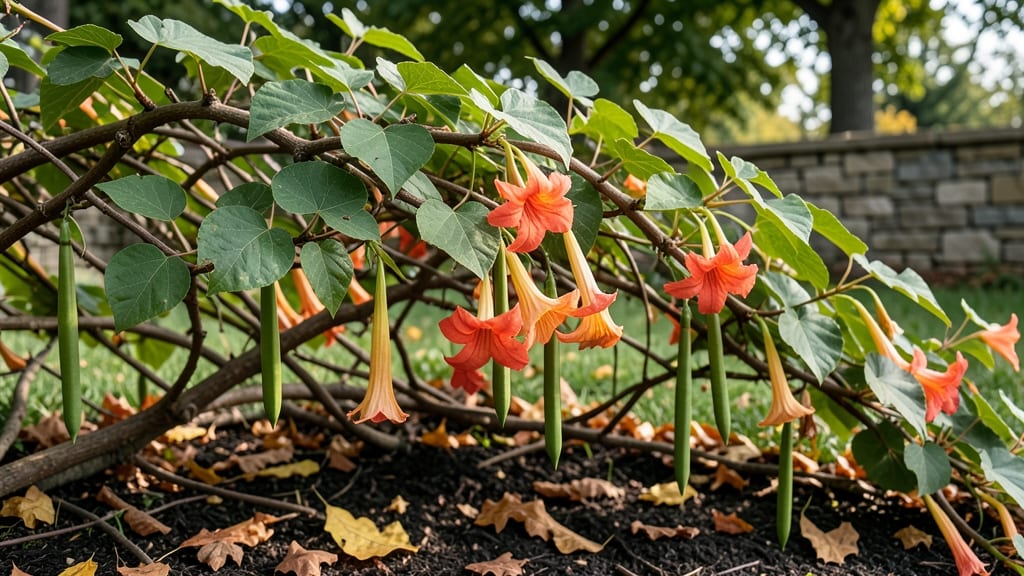
Cold-stratifying trumpet vine seed pods unlocks 45 days of faster blooms than store-bought plants. ✨ I learned the hard way that skipping this step means months of waiting—until I discovered how to trick nature into thinking winter already happened.
The secret lies in those papery pods that form after the vibrant orange flowers fade, holding the potential for a vine that climbs faster and flowers more prolifically than anything you'll find in a nursery pot.
First, you'll need to spot the right pods—look for the ones that turn from green to brown and split open just a crack. The seeds inside are the size of coffee beans, and each one holds the promise of a vine that can reach 20 feet in a single season.
Once you've collected them, the magic happens in your fridge: a simple 6-8 week cold treatment mimics winter's chill, breaking dormancy so seeds germinate reliably when spring arrives.
By the time you transplant those little seedlings, you'll already see the first tendrils forming—stronger roots, faster growth, and blooms that arrive weeks ahead of schedule. The key is patience during the cold stratification and keeping the soil consistently moist (not soggy) as those first leaves push through.
Those early signs of life are worth every minute of waiting.
This method works best for gardeners in zones 5-9, where trumpet vines thrive in full sun. For cooler climates, start seeds indoors 8-10 weeks before your last frost date.
The payoff? A vine that outpaces its neighbors and rewards you with months of dramatic orange blooms that hummingbirds can't resist. Ready to grow your own showstopper?
📚 In This Guide
- What you need
- Instructions
- Tips and common mistakes
- Wrapping up and next steps
What you need
- ● Trumpet vine seed pods: 3–5 mature, dry pods (harvested in late fall or purchased from a nursery). Pro tip: 💡 Ensure pods are fully brown and slightly cracked for best germination rates!
- ● Cold stratification setup: 1 small paper towel or dampened coffee filter
- ● 1 resealable plastic bag (quart-sized or larger)
- ○ 1–2 tablespoons of moistened peat moss or coco coir (optional, for extra moisture)
- ● Planting containers: 2–3 small pots (4–6 inches deep) with drainage holes, or a seed-starting tray with individual cells.
- ● Well-draining potting mix: 2–3 bags of seed-starting mix (avoid garden soil—it’s too dense!).
- ● Watering can or spray bottle: With a fine mist nozzle for gentle hydration.
- ● Pruning shears: For carefully opening seed pods (if not already split).
- ● Thermometer: To monitor fridge temps (ideally 35–45°F for stratification).
- ● Grow lights or sunny windowsill: For seedlings after stratification (6–8 hours of light daily).
- ● Plant labels: To track seedling progress (trumpet vines take ~45 days to sprout!).
- ● Humidity dome or plastic wrap: To retain moisture while seeds stratify.
- ● Patience: Cold stratification takes 45–60 days—plan ahead!
- ● Space: A cool, dark spot (like a fridge) for stratification and a sunny area for seedlings.
- ● Time: ~10–15 minutes daily for monitoring moisture and light.
How to grow trumpet vine from seed pods in 45 days
Here's the straightforward method I've used to get trumpet vine sprouts thriving in just six weeks.
🌱 Step 1: Collect and Prepare Mature Seed Pods
Harvest seed pods when they turn brown and begin splitting open naturally—this usually happens in late summer or early fall. Choose pods that are fully dry but haven't cracked open yet. I like to collect them after a light frost, as this helps break their natural dormancy.
Remove any remaining pulp or fleshy material from the pods, then crack them open to expose the flat, winged seeds inside. Store the clean seeds in a paper envelope in a cool, dry place until you're ready to stratify them. Never use seeds from green pods—they won't germinate properly.
💧 Step 2: Cold-Stratify Seeds for 60 Days
Place the seeds in a sealed plastic bag with a damp paper towel at the bottom. This creates a humid environment that mimics winter moisture. Put the bag in your refrigerator's crisper drawer where temperatures stay between 35-40°F—this cold period breaks the seed's dormancy.
Check the seeds every two weeks to ensure the paper towel stays moist but not soggy. You'll see nothing happening during this time—that's normal. After 60 days, remove the seeds and let them sit at room temperature for 24 hours before planting. This temperature shift helps trigger germination.
☀️ Step 3: Plant Stratified Seeds in Warm Soil
Fill small pots with well-draining potting mix and plant the seeds ¼ inch deep, spacing them 1 inch apart. Trumpet vine seeds need warmth to germinate, so place the pots in a sunny window or under grow lights that maintain 75-80°F soil temperature. A seedling heat mat works wonders if your home runs cooler.
Keep the soil consistently moist but never waterlogged—soggy conditions cause seeds to rot before they sprout. You should see tiny sprouts in 10-14 days. Once they emerge, move the pots to a location with bright, indirect light until they develop their first true leaves.
🌿 Step 4: Transplant Seedlings When Strong Enough
After seedlings develop 2-3 sets of true leaves (about 4-6 weeks total), they're ready for their permanent home. Choose a sunny spot with at least 6 hours of direct sunlight daily—trumpet vine thrives in full sun but tolerates partial shade in hot climates.
Dig holes slightly deeper than the seedling's root ball and space plants 8-10 feet apart to give them room to climb. Water deeply after transplanting to help roots establish. Install a sturdy trellis or fence nearby immediately—these vines grow aggressively and need support from day one.
⏰ Step 5: Maintain Through First Growing Season
Water trumpet vines deeply once weekly during dry spells, allowing the top 2 inches of soil to dry between waterings. Overwatering causes root rot, which these plants are particularly susceptible to. Fertilize lightly with a balanced 10-10-10 formula every 6 weeks starting in early spring.
Watch for new growth in 45 days from planting—this is when you'll see the first true trumpet-shaped blooms. Prune leggy growth in early summer to encourage bushier vines. Remember, trumpet vine spreads quickly, so contain it with root barriers if needed in your landscape.
Tips & tricks for perfect trumpet vine blooms
These little-known tricks will help you avoid common pitfalls and maximize your trumpet vine's success from seed to bloom.
Pod Selection Secret: Look for pods that are completely brown and slightly papery to the touch—these are ready for harvest. I've learned the hard way that green pods won't germinate, no matter how long you wait. The light frost trick is especially helpful in regions with mild winters; it mimics nature's way of breaking dormancy without requiring a full winter cycle.
Stratification Success: The 60-day cold stratification period is non-negotiable for trumpet vine seeds. I place a small label with the date on my seed bag so I don't forget when to remove them. During those two months, I check moisture levels every two weeks—never let the paper towel dry out completely, but don't make it soggy either. Think of it like Goldilocks: just right moisture is key.
Heat Mat Hack: Maintaining that 75-80°F soil temperature for germination can be tricky without a heat mat. I've had success using a simple DIY solution: place the pots on top of my refrigerator (not inside) where it stays consistently warm. Just make sure the soil stays moist—warm air dries things out faster. You'll know you're on track when those first tiny sprouts appear in 10-14 days.
Transplant Timing: The 2-3 sets of true leaves rule is your best indicator for transplant readiness. I count leaves carefully—those first tiny leaves are called cotyledons and don't count toward the true leaf requirement. When you see the third set of true leaves, your seedlings are strong enough to handle the outdoor environment. This usually falls right around the 4-6 week mark from planting.
Pro Tips for Trumpet Vine Seed Pods
- These little-known tricks will help you avoid common pitfalls and maximize your trumpet vine's success from seed to b...
- Pod Selection Secret: Look for pods that are completely brown and slightly papery to the touch—these are ready for ha...
- Stratification Success: The 60-day cold stratification period is non-negotiable for trumpet vine seeds. I place a sma...
Frequently asked questions
Got questions about growing trumpet vine seed pods? You’re not alone! Here are some of the most common queries—plus quick, practical answers to help you get started with confidence.
How long does it take for trumpet vine seed pods to germinate?
With cold stratification (chilling seeds for 45–60 days), trumpet vine seeds typically sprout within 7–21 days after planting in warm soil. Patience is key—some seeds may take longer, especially if moisture levels fluctuate. Keep the soil consistently damp (not soggy) to speed up germination. Pro tip: Use a seedling heat mat if your climate stays chilly!
Do trumpet vine seed pods need cold stratification?
Yes! Trumpet vine seeds (Campsis radicans) are hard-coated, meaning they require cold stratification to break dormancy. Skipping this step often results in no germination. Replicate winter conditions by refrigerating seeds in a damp paper towel for 45–60 days before planting. Think of it as a natural "reset button" for the seed.
What if my trumpet vine seed pods don’t sprout?
Don’t panic! Try these fixes:
- Check stratification: Ensure seeds were chilled for at least 45 days and kept moist.
- Test viability: Soak a few seeds in water overnight—if they float, they’re likely dead.
- Adjust planting depth: Plant seeds ½ inch deep; deeper may hinder sprouting.
- Warmth boost: Place trays near a sunny window or use a heat mat (70–75°F).
Can I grow trumpet vine from seed pods instead of seeds?
Yes, but with a caveat: Seed pods contain multiple seeds, but they’re not always viable if harvested too early. Wait until pods turn brown and papery (late fall/winter) before collecting. Crack open the pod, extract the seeds, and stratify them as usual. Alternatively, plant the entire pod in soil—seeds may still germinate, but results are hit-or-miss.
How do I know if my trumpet vine is ready for transplanting?
Seedlings are ready to move outdoors when they’ve developed 2–3 sets of true leaves (not the initial seed leaves) and are 3–4 inches tall. Harden them off by placing them outside for 1–2 hours daily over 7–10 days, gradually increasing exposure. Choose a sunny, well-draining spot—trumpet vines thrive in full sun and tolerate poor soil but hate soggy roots. Pro tip: Transplant on a cloudy day to reduce shock!
Wrapping up and next steps
Growing trumpet vine seed pods through cold stratification is a rewarding way to kickstart vibrant blooms in just 45 days! 🌱 With the right materials and a little patience, you’ll soon enjoy the striking orange flowers that attract hummingbirds and butterflies.
Whether you’re a seasoned gardener or a beginner, this method makes propagation simple and effective.
Ready to transform your garden? Grab your supplies, follow the steps, and watch your trumpet vine thrive! For extra tips, explore our FAQs or dive into other cold-stratification guides to expand your gardening skills. Happy planting! 🌸