
Planting
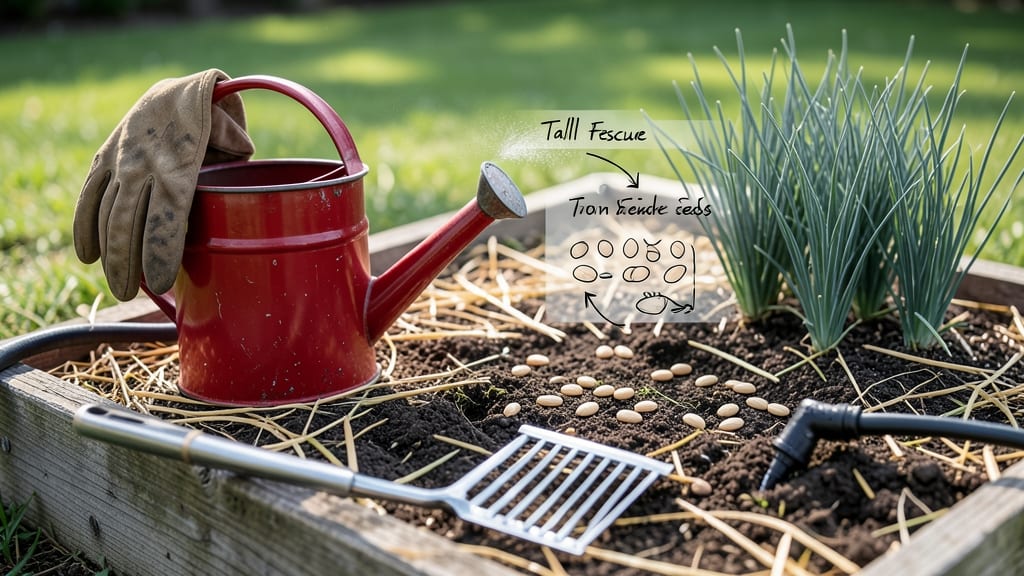
Speeding up grass seed germination means seeing those first green sprouts in 7-10 days instead of waiting weeks. I’ve learned the hard way that rushing the process usually backfires—too much water, not enough warmth, or poor soil prep can leave seeds sitting there like tiny, dormant time bombs.
The secret isn’t magic; it’s science you can control right in your yard.
You’ll need three things: the right soil mix (light, loose, and free of weeds), a consistent watering routine (keep it damp, not soggy), and a little warmth—either from the sun or a simple trick like laying down black plastic sheeting for a few days before planting.
I once tried planting without prepping the soil, and my seeds took three weeks to sprout. That’s three weeks of waiting, worrying, and wondering if I’d done it wrong.
Once you’ve got those basics down, the real game-changer is patience with precision. A light layer of straw mulch keeps moisture in while letting sunlight through, and a gentle misting twice daily (instead of drowning the seeds) makes all the difference.
Within a week, you’ll see those first tiny blades pushing through—proof that you’ve cracked the code. The grass won’t just grow; it’ll thrive.
This method works for cool-season grasses like fescue or ryegrass just as well as warm-season types like Bermuda or Zoysia. The key is adapting the timing to your climate—spring or fall for cool-season, late spring or early summer for warm-season.
Trust the process, and you’ll have a lush, even lawn in no time.
📚 In This Guide
- What you need
- Instructions
- Tips and common mistakes
- Wrapping up and next steps
What you need
- ● High-quality grass seed: Choose a fast-germinating variety (e.g., ryegrass or annual ryegrass) with a germination rate of 90%+. Aim for 1–2 lbs per 100 sq ft.
- ● Seed starter soil or potting mix: Lightweight, sterile, and well-draining (e.g., Miracle-Gro Seed Starting Potting Mix). Use 1–2 cubic feet per 10 sq ft.
- ● Watering can or spray bottle: With a fine mist nozzle for gentle hydration.
- ● Plastic sheeting or germination mat: To retain 90–95% humidity. A clear plastic sheet works for outdoor beds.
- ● Heat source: For indoor: A seedling heat mat (set to 70–75°F) or a bottom heat source like a heated propagator.
- ● For outdoor: Black plastic mulch or a row cover to absorb sunlight and warm the soil.
- ● Grow lights or sunny window: A LED grow light (12–16 hours/day) or a south-facing window for 12+ hours of light.
- ● Garden rake or hand fork: For loosening soil to ½-inch depth.
- ○ Lawn roller (optional): Lightweight (50–100 lbs) to press seeds into soil for better contact.
- ○ Soil thermometer (optional): To monitor temperatures (ideal: 60–75°F for most grasses).
- ○ Fertilizer (low-nitrogen, optional): A starter fertilizer (e.g., 5-10-10) mixed at ½ the recommended rate.
- ○ Compost or worm castings (optional): For added nutrients and moisture retention.
- ● Twine or stakes (for outdoor setups): To secure plastic sheeting against wind.
Step-by-Step instructions for speeding up grass seed germination
Here's how to coax those stubborn seeds into sprouting in record time—no waiting months for a patchy lawn.
Prepare the Soil for Optimal Conditions
Start by tilling the soil to a depth of 4-6 inches to loosen compacted earth and improve aeration. This helps roots penetrate easily and prevents waterlogging, which slows germination. Use a rake to create a fine, crumbly texture—think of it like fluffing a pillow for your seeds to nestle into comfortably.
Test the soil's moisture by squeezing a handful. It should hold together but not feel damp or sticky. If it's too dry, water lightly until the top 2 inches feel evenly moist. The goal is dampness without puddles—grass seeds need hydration but will rot if smothered. A soil thermometer is your best friend here; aim for a consistent 65-75°F range, as cooler temps stall growth.
Apply Pre-Germination Treatments for a Head Start
Spread a thin layer of compost or peat moss over the tilled area—just ¼ inch thick—to retain moisture and provide a gentle nutrient boost. This layer acts like a cozy blanket, keeping the soil warm and protecting seeds from drying out. Water again lightly to settle everything, then cover the entire area with clear plastic sheeting secured with rocks or stakes.
The plastic creates a greenhouse effect, trapping warmth and humidity that mimic spring conditions. Leave it in place for 3-5 days before seeding, allowing the soil to reach 70-80°F—the sweet spot for rapid germination. Check daily for condensation; if the plastic fogs up, lift an edge to let excess moisture escape and prevent mold.
Sow Seeds Evenly and Protect the Site
Scatter the grass seed lightly but evenly over the prepared soil, using about ½ pound per 100 square feet for most varieties. Avoid clumping seeds—this leads to thick patches and bare spots. Use a push broom or rake to gently press seeds into the soil, ensuring they make contact with the moist earth. Pressing too hard can bury them too deep, while leaving them on top risks drying.
Reapply the plastic sheeting immediately after sowing, this time securing it tightly to eliminate air gaps. The combination of trapped warmth, moisture, and darkness tricks seeds into thinking it’s spring, prompting faster germination. Keep the soil moist underneath by misting once daily if the plastic feels dry to the touch. You’ll see the first sprouts in as little as 5-7 days—much quicker than the usual 2-3 weeks.
Monitor and Maintain Ideal Conditions
Once germination begins, remove the plastic sheeting during the day to harden off the seedlings and prevent overheating. Leave it in place at night or on cooler days to maintain warmth. Water deeply but infrequently—aim for ½ inch of water per week, delivered in the morning to reduce evaporation. Use a sprinkler with a fine mist setting to avoid dislodging tender sprouts.
Watch for signs of stress: yellowing leaves mean too much water, while stunted growth signals insufficient light or cool soil. If you notice mold or fungal spots, lift the plastic for a day to air out the area and improve airflow. Within 2-3 weeks, your grass should be thick and uniform, ready for mowing when it reaches 3-4 inches tall.
Tips & tricks for faster grass germination
Here's what nobody tells you about creating the perfect environment for your grass seeds to sprout in record time.
Soil Temperature is Everything: The 65-75°F range mentioned in Step 1 is non-negotiable for fast germination. If your soil runs cooler, consider using a seedling heat mat underneath the plastic sheeting during the 3-5 day pre-seeding phase. I've seen germination times cut by nearly half when using this trick—especially helpful for early spring or fall planting when soil temps naturally dip. The key is maintaining that warmth consistently, not just surface heat.
Moisture Balance Secret: When testing soil moisture in Step 1, squeeze it firmly—if water drips out, you've gone too far. The perfect moisture level should feel like a wrung-out sponge. After sowing, I recommend misting with a spray bottle instead of using a sprinkler. This prevents disturbing the seeds while ensuring even moisture distribution under the plastic. Too much water creates anaerobic conditions that suffocate seeds, while too little causes them to dry out.
Plastic Tricks for Maximum Effect: The clear plastic sheeting in Steps 2 and 3 does more than trap heat—it creates a microclimate. For best results, use heavy-duty plastic and secure it tightly with bricks or landscape fabric weights. If you notice condensation forming on the underside, that's actually good—it means high humidity levels that seeds love. Just remember to vent it daily if you see water droplets forming to prevent mold growth.
Seed Placement Precision: When pressing seeds into soil in Step 3, aim for a depth of about ¼ inch—no deeper. I've found using a push broom with the bristles removed works perfectly for this. The goal is just enough contact to anchor seeds while keeping them close enough to surface moisture. For larger areas, consider using a seed spreader with a hand-crank mechanism to ensure even distribution without clumping.
Pro Tips for Speed Up Grass Seed Germination
- Here's what nobody tells you about creating the perfect environment for your grass seeds to sprout in record time.
- Soil Temperature is Everything: The 65-75°F range mentioned in Step 1 is non-negotiable for fast germination.
- Moisture Balance Secret: When testing soil moisture in Step 1, squeeze it firmly—if water drips out, you've gone too far.
Frequently asked questions
Got questions about speeding up grass seed germination?
You’re not alone! Here are some of the most common concerns—and quick answers to get your lawn growing faster.
How long does it take for grass seed to germinate?
Germination times vary by grass type, but most seeds sprout within 5–21 days. Cool-season grasses (like fescue or ryegrass) may take 2–3 weeks, while warm-season grasses (like Bermuda or Zoysia) can sprout in just 5–10 days with ideal conditions. Patience is key—consistent moisture and warmth are your best allies!
Can I speed up germination with heat?
Grass seeds germinate faster in warm soil (60–75°F for cool-season, 75–90°F for warm-season). Use a seedling heat mat or cover the area with black plastic to trap heat. Just avoid overheating—keep soil moist and well-aerated to prevent mold or seed death.
What if my grass seed isn’t sprouting after a week?
Don’t panic! First, check for consistent moisture—seeds need to stay damp but not waterlogged. If the soil is too dry, gently water the area and reapply mulch or straw to retain humidity. If seeds are old (<2 years), they may have lost viability—try fresh seed or a starter fertilizer for a boost.
Does sunlight affect germination speed?
Most grass seeds need light to germinate, so avoid burying them too deep (¼ inch max). If sowing in shady areas, opt for shade-tolerant varieties like fine fescue. Thin seedlings after germination to ensure they get enough sunlight for strong growth—just don’t rush it too soon!
Are there natural ways to speed up germination without chemicals?
Yes! Try these tricks:
- Hydro-mulching: Mix seed with water and a thickener (like seaweed extract) for even coverage and moisture retention.
- Chicken manure tea: Diluted (1:10 ratio) to provide nutrients without burning seeds.
- Compost top-dressing: Adds organic matter and microbes to break down seed coatings faster.
Wrapping up and next steps
Speeding up grass seed germination is all about creating the perfect conditions—warmth, moisture, and light—while avoiding common pitfalls like overwatering or poor soil contact. With the right prep and patience, you’ll see those first green sprouts in no time! 🌱✨
Ready to transform your patch of dirt into a lush lawn? Start by testing your soil, prepping the area, and applying your seeds with confidence. Once you’ve got the basics down, experiment with mulching, stratification, or even indoor sprouting to fine-tune your results. Happy growing—your future lawn will thank you!