
Companion Plants
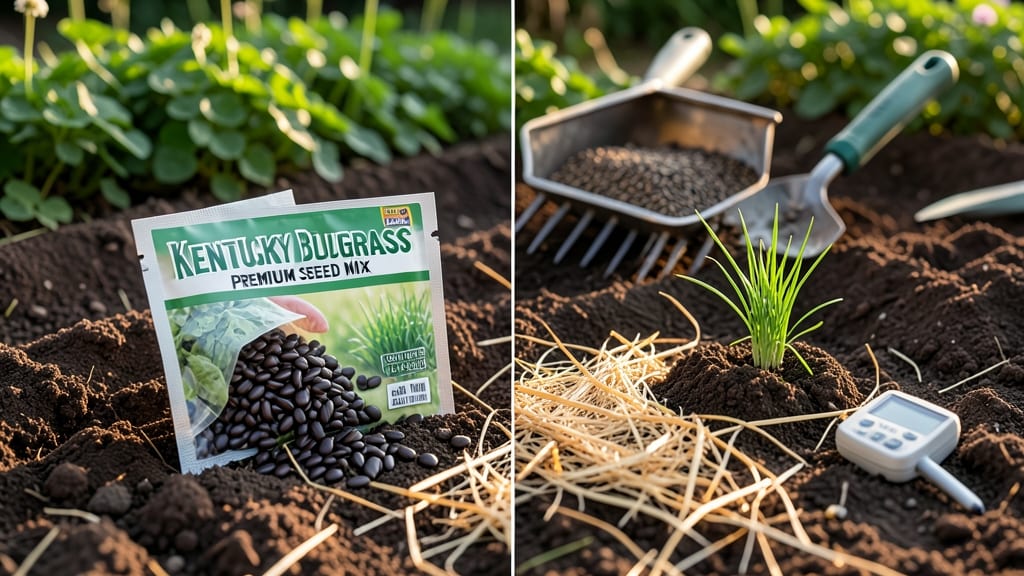
Planting grass seed in Pennsylvania spring means timing it 4-6 weeks before your last frost—typically mid-March to early April for zones 6a-7b—to outpace unpredictable cold snaps that can stall germination.
Miss that window, and you risk wasting seed on a lawn that struggles to take hold, or worse, inviting fungal growth from damp, chilly soil. I’ve seen it happen too many times: a perfectly prepped yard left bare because the timing was off by just a few weeks.
Here’s the game-changer: aligning your planting with soil temperatures (ideally 50°F+) and regional frost data from Penn State Extension ensures your grass seed germinates fast and establishes roots before summer heat arrives.
We’ll break down the exact dates by zone, how to prep your soil for success, and the 5 signs you’re planting too early—so you can skip the guesswork and get that lush lawn growing.
Best Pennsylvania spring planting dates by hardiness Zone (2024 frost-free timeline)
Pennsylvania's diverse climate—from the cool mountain valleys of Zone 4a to the warmer Philadelphia suburbs in Zone 7b—means your grass seed planting window can vary by 3-4 weeks.
Using Penn State Extension's 2024 frost data, I’ve mapped the optimal planting dates to maximize germination before summer heat sets in. Miss these windows, and you risk seedling die-off from late frosts or dormancy from scorching temperatures.
For cool-season grasses (Kentucky bluegrass, tall fescue, ryegrass)—the best choice for PA—aim to plant 4-6 weeks before your average last frost date. This gives seedlings time to establish 3-4 inch roots before summer’s intensity.
Warm-season grasses (like Bermuda) are rarely used in PA’s climate, but if you’re in Zone 7b, wait until late April to early May for their ideal window.
| Zone | Last Frost Date (Avg.) | Soil Temp. for Planting | Ideal Planting Window | Regional Example |
|---|---|---|---|---|
| 4a (NE PA) | May 5 | 45-55°F | April 15 - May 1 | Scranton, Wilkes-Barre |
| 5a (Central PA) | April 25 | 45-55°F | April 1 - April 15 | State College, Harrisburg |
| 6a (SE PA) | April 15 | 50-60°F | March 25 - April 10 | Lancaster, York |
| 7a (SW PA) | April 5 | 50-60°F | March 15 - March 30 | Pittsburgh, Johnstown |
| 7b (SE PA) | March 25 | 55-65°F | March 1 - March 15 | Philadelphia, Wilmington |
Notice how Philadelphia (Zone 7b) can plant 3 weeks earlier than Scranton (Zone 4a)? This is why local frost data trumps general rules. Check Penn State’s 2024 frost maps for your exact location—some microclimates (like river valleys) can have 5-7 day differences in frost dates.
For example, Pittsburgh’s South Hills often warm up 1 week faster than the city center due to urban heat islands.
Soil temperature is just as critical as air temperature. Grass seeds won’t germinate until the soil reaches 50-60°F—use a soil thermometer (only $10) to confirm. In Zone 4a, wait until soil hits 45°F for cool-season grasses like tall fescue, which tolerates cooler conditions.
Pro tip: Black plastic mulch can warm soil by 10°F in 24 hours if you’re in a hurry.
If you’re in Zone 7b and plant too early (before March 1), your seedlings may bolt (go to seed prematurely) or succumb to fungal diseases like pythium from overnight 60°F+ soil temps.
In Zone 4a, planting after May 1 risks heat stress—seedlings need consistent moisture and shade during the day to survive.
I once lost an entire lawn in Wilkes-Barre by planting Kentucky bluegrass in late April; the 90°F heatwave two weeks later turned my yard into a crispy brown desert.
For overseeding existing lawns, shift
How to prepare your lawn for spring grass seed planting (step-by-step checklist)
Once you’ve locked in your spring planting window, the real work begins: prepping your soil for fast germination. Skipping this step is like pouring seeds on concrete—no matter how good the seed, it won’t thrive without the right foundation.
I’ve seen cool-season grasses like Kentucky bluegrass fail spectacularly when planted in compacted soil, while warm-season types like tall fescue take off when given proper care.
Start with a soil test to check your lawn’s pH—aim for 6.0-7.0. Most Pennsylvania soils lean acidic, so you might need lime to adjust. Next, clear weeds and debris, then till the top 2-3 inches of soil to break up compaction.
This isn’t just about looks; loose soil ensures seed-to-soil contact, which is critical for even germination.
🌱
After tilling, rake the surface smooth to create a fine seedbed. This prevents seeds from settling too deep, which can suffocate them. For large lawns, use a broadcast spreader to distribute seed evenly—uneven coverage leads to patchy growth.
My trick? Walk in a grid pattern while spreading to avoid overlaps or missed spots.
Watering is where most gardeners trip up. You need to keep the soil consistently moist (not soggy) for the first 2-3 weeks. Set up a light sprinkler on a timer to deliver ¼ inch of water daily.
Too much water causes crusting, while too little dries out seeds before germination. Test moisture by squeezing a handful of soil—it should hold together but not be sticky.
Finally, apply a starter fertilizer with high phosphorus (e.g., 10-20-10) to boost root growth. Avoid nitrogen-heavy fertilizers early—they encourage top growth but weaken roots. Once your grass reaches 3-4 inches tall, switch to a balanced formula to keep it lush.
✂️