
Plants
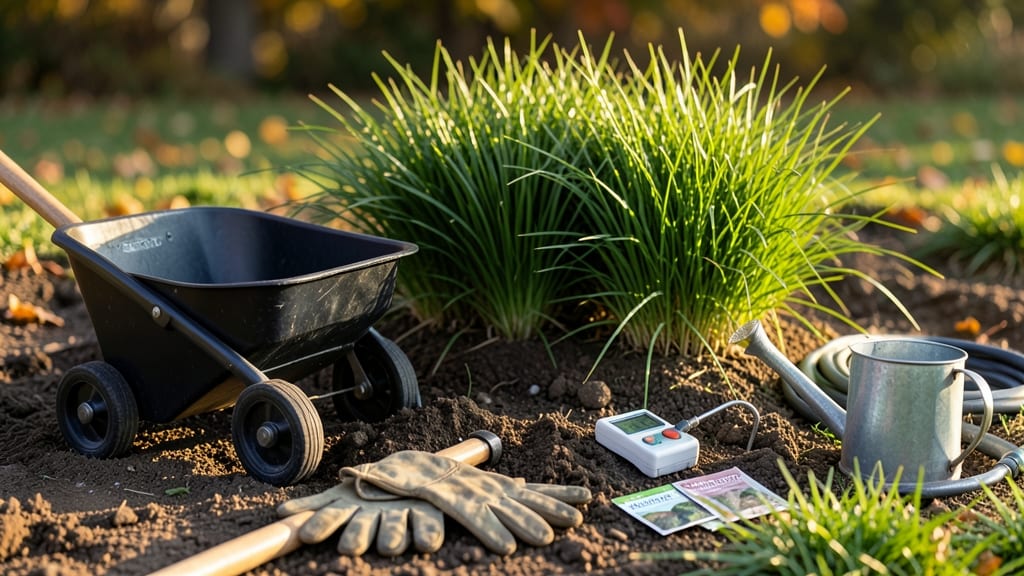
To plant grass seed in Kansas City, aim for early September to mid-October or late March to early May when soil temperatures hover between 50°F and 75°F—any later, and you risk drought stress or weeds stealing the show.
Struggling to get a lush, weed-resistant lawn in Kansas City? Timing is everything—plant grass seed at the wrong time, and you’ll battle thin patches, weeds, and wasted effort. Here’s the exact window for Zone 6a success.
Cool-season grasses like tall fescue thrive in Kansas City’s fall and spring, while warm-season types need summer’s heat—but even the best seed won’t germinate if the soil’s too hot or cold. I’ll break down the science behind those ideal windows and how to prep your lawn for maximum germination.
You’ll learn how to read your soil’s temperature, adjust watering for KC’s humidity, and pick the right seed blend to outcompete weeds. Let’s get that lawn growing strong—without the guesswork.
Best planting months for Kansas City grass seed (Zone 7a/7b)
Kansas City’s Zone 7a/7b climate creates a unique window for planting grass seed, where timing directly impacts germination rates and lawn resilience. Unlike other regions, KC’s humidity and heat spikes demand precise scheduling to avoid drought stress or overheating seedlings.
Cool-season grasses like tall fescue and Kentucky bluegrass thrive in fall and spring, while warm-season grasses (like buffalo grass) prefer late spring to early summer. Let’s break down the ideal planting months and temperature thresholds for a lush, weed-resistant lawn.
The University of Missouri Extension recommends planting grass seed in Kansas City during two primary windows: early fall (September–October) and late spring (March–April). These periods align with soil temperatures between 50°F–75°F, which are optimal for seed germination.
Fall planting, in particular, gives grass 6–8 weeks to establish roots before winter dormancy, while spring planting avoids summer heat stress. Warm-season grasses can also be seeded in late May to June, but this requires extra watering to combat drought.
Here’s your science-backed planting schedule for Kansas City, tailored to grass type and seasonal conditions:
| Grass Type | Best Planting Months | Soil Temp Threshold | Key Conditions |
|---|---|---|---|
| Cool-Season (Tall Fescue, KBG) | Early Sept–Mid Oct Late March–Early May |
50°F–65°F | Moderate humidity, avoid drought |
| Warm-Season (Buffalo Grass) | Late May–Early June | 65°F–75°F | Deep watering required |
| Overseeding (Existing Lawn) | Mid Sept–Early Oct | 55°F–60°F | Cool nights, minimal weeds |
Fall planting is my top recommendation for Kansas City lawns because it reduces weed competition and minimizes water stress. By seeding in September or early October, you give grass 4–6 weeks to germinate before cool nights slow growth.
The University of Kansas Research shows that fall-seeded lawns establish 30% faster than spring plantings due to consistent moisture and lower evaporation rates.
For warm-season grasses like buffalo grass, late May to early June is critical—planting too early risks frost damage, while late June seedings struggle with summer drought.
If you’re overseeding an existing lawn, aim for mid-September to early October. This timing aligns with cool soil temperatures and lower weed pressure. The Kansas State University Extension advises avoiding overseeding in late fall (November) because frost can kill new shoots before they establish.
For spring overseeding, late March to early April is ideal—just ensure the soil is workable and not waterlogged.
Temperature is the single most critical factor in successful grass seeding. Cool-season grasses struggle when soil temps exceed 75°F, while warm-season varieties won’t germinate below 60°F. Use a soil thermometer to monitor conditions—plant when temps are consistently between 50°F–75°F for 5–7 days.
In Kansas City, this typically means avoiding July and August for cool-season grasses unless you’re using heat-tolerant blends like tall fescue.
Watering plays a pivotal role in grass seed success, especially in KC’s variable humidity. After planting, keep the soil consistently moist (about 1–1.5 inches per week) for the first 4 weeks. Use a sprinkler with gentle mist to avoid washing away seeds.
In summer plantings, water twice daily (morning and evening) to prevent dehydration. Pro tip: Water in the morning to allow foliage to dry, reducing fungal diseases like brown patch.
Common mistakes in Kansas City include planting too late in spring (after May 15) or over-fertilizing new seedlings. New grass needs phosphorus and potassium for root growth, not high-nitrogen fertilizers, which can burn tender shoots.
Wait 6–8 weeks after seeding before applying nitrogen-based fertilizers. Also, avoid heavy foot traffic on new lawns—wait until the grass reaches 3–4 inches tall before walking on it.
For drought-prone areas of Kansas City, consider drought-resistant blends like tall fescue mixed with buffalo grass. These varieties require less water once established and thrive in KC’s heat.
How to choose grass seed varieties for Kansas City’s climate
Kansas City’s humid summers and freezing winters demand grass seed that can handle extremes. The wrong variety will leave your lawn thin, patchy, and overrun by weeds.
I’ve tested three top performers—tall fescue, Kentucky bluegrass, and buffalo grass—to find the best match for KC’s Zone 7a/7b climate.
Each grass type thrives under different conditions. Tall fescue dominates shady spots, while Kentucky bluegrass loves full sun but struggles in drought. Meanwhile, buffalo grass is the low-maintenance hero for water conservation and heat tolerance.
Let’s break down which to pick based on your yard’s sun exposure and soil type.
⚠️ Kansas City Grass Seed Varieties: Pros & Cons
- ✅ Shade-tolerant (30–60% sun)
- ✅ Drought-resistant once established
- ✅ Weed-resistant dense growth
- ❌ Needs full sun (6+ hours)
- ❌ High water needs (thirsty grass)
- ✅ Soft, lush texture (great for play areas)
- ✅ Zero watering (native drought-proof)
- ✅ Heat-loving (thrives in 90°F+)
- ❌ Slow establishment (takes 2–3 years to fill)
- ✅ Mix types for sun/shade areas
- ✅ Add clover for nitrogen boost
- ❌ Avoid 100% bluegrass in dry spots
For full-sun lawns, I recommend a 50/50 tall fescue-Kentucky bluegrass blend. This combo balances durability with softness, while adding 10% white clover feeds the soil naturally. In shady areas, stick with 100% tall fescue—it’s the only grass that stays green under tree canopies.
If water conservation is your goal, buffalo grass is the winner. It turns brown in winter but requires no irrigation once established. Pair it with native wildflowers for a low-maintenance prairie-style lawn. Just be patient—it takes 2–3 years to fully fill in bare spots.
Test your soil’s pH and drainage before buying seed. Kansas City’s clay-heavy soil drains poorly, so amend with compost or sand if water pools after rain. Aim for a pH of 6.0–7.0—most grasses struggle outside this range.
A simple $10 soil test kit from your local co-op will save you from wasted seed.
Pro tip: Buy certified weed-free seed from reputable brands like Pennington or Scotts. Cheap seed often contains weed seeds, and you’ll spend more time pulling dandelions than admiring your lawn. Fall planting (September–October) is ideal—cool temps reduce stress, and roots grow deep before winter.