
Planting
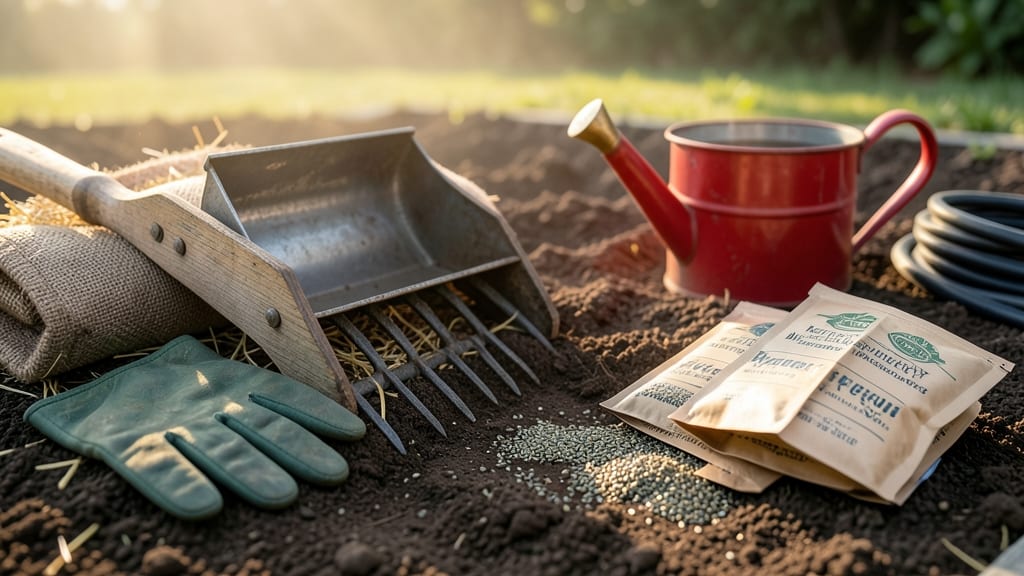
Planting grass seed in spring means the difference between a lush lawn and a weed-infested mess. ✨ The right timing—after the last frost but before summer heat—gives grass roots a fighting chance to establish before weeds take over.
I’ve learned that waiting too long means battling drought and crabgrass instead of enjoying that fresh-cut smell. Most grass types need soil temps between 55°F and 75°F to germinate properly. In cooler zones (like mine in upstate New York), aim for early May when daytime highs hit 60°F consistently.
Southern gardeners can start as early as February, but watch for sudden cold snaps that can kill tender seedlings. You’ll see those first green blades within 7-14 days if conditions are right—moist, shaded soil with regular watering. The key is keeping the seedbed consistently damp (not soggy) until germination.
Once established, a thick lawn crowds out weeds naturally, saving you hours of pulling later. This works for both cool-season grasses (like Kentucky bluegrass) and warm-season types (like Bermuda), though timing shifts slightly. The secret? Check your local frost dates and soil temps—your lawn’s success depends on it.
📚 In This Guide
- What you need
- Instructions
- Tips and common mistakes
- Wrapping up and next steps
What you need
- ● Grass seed: Choose a cool-season variety (e.g., Kentucky Bluegrass, Tall Fescue, or Perennial Ryegrass) for spring planting in USDA Zones 2–7.
- ● Quantity: 5–10 lbs per 1,000 sq ft (check seed bag for exact coverage rates).
- ● Soil testing kit: To check pH (ideal range: 6.0–7.0 for most grasses).
- ● Lime or sulfur: Adjust soil pH if needed (follow kit instructions).
- ● Lawn fertilizer: High-nitrogen starter fertilizer (10–20 lbs of nitrogen per 1,000 sq ft).
- ● Slow-release formula (e.g., 16-4-8 or 20-5-10).
- ● Rake: Heavy-duty bow rake (for leveling soil) and a garden rake (for seed bed prep).
- ● Broadcast spreader: For even seed distribution (manual or drop-type preferred).
- ● Watering tools: Garden hose with adjustable nozzle (for gentle watering).
- ● Or a sprinkler with fine mist setting.
- ○ Mulching hay or straw: ¼–½ inch layer to protect seeds (optional but recommended for dry climates).
- ● Soil conditioner: Compost or peat moss to improve drainage/texture.
- ● Pre-emergent herbicide: Apply 4–6 weeks after seeding to block weeds (check label for seed-safe timing!).
- ● Lawn roller: Lightweight (50–100 lbs) to press seed into soil (use sparingly!).
- ● Seed tape: Pre-spaced seeds for precision planting (great for small areas!).
- ● Weather tracker: App or device to monitor soil temps (ideal: 50–65°F for germination).
How to time your spring grass seed planting for a lush lawn
Perfect timing is everything—plant too early and frost zaps your efforts, too late and summer heat stresses young grass.
🌱 Step 1: Determine Your Hardiness Zone and Ideal Window
Check your USDA hardiness zone—this dictates when soil warms enough for germination. In Zones 3-5, aim for April 15 to May 15 when daytime highs reach 60-70°F consistently. Southern zones (6-10) should plant by March 15 to avoid summer dormancy. I always wait until I can press my hand into the soil 3 inches deep without resistance—this confirms the ground has thawed and warmed.
Cool-season grasses like fescue and ryegrass thrive when soil temps hover around 55-65°F. Warm-season varieties such as Bermuda or Zoysia need soil at 65-75°F—planting them too early results in slow, uneven growth. Use a soil thermometer for accuracy, especially if your spring weather swings wildly.
☀️ Step 2: Choose the Right Conditions for Germination
Pick a day with 5-7 days of dry weather forecasted after planting—you don’t want rain washing seeds away or creating muddy conditions. I prefer planting on a cloudy morning when temperatures are mild; this reduces stress on newly sown seeds. Avoid planting if frost is predicted within 7 days—even cool-season grasses won’t tolerate cold soil.
Morning is ideal because afternoon sun can dry out seeds too quickly before they establish roots. If you must plant in the afternoon, water immediately after to keep moisture levels high. Watch for dew in the morning—if grass blades glisten, your timing is perfect for even moisture distribution.
💧 Step 3: Prepare the Soil for Optimal Seed Contact
Loosen the top 2-3 inches of soil with a rake or tiller to break up compaction—this ensures seeds make direct contact with soil, which is critical for germination. Remove any existing weeds or debris, as they’ll compete with young grass for nutrients. I like to lightly aerate if the lawn has heavy foot traffic, creating small holes for seeds to nestle into.
Spread a thin layer of compost or starter fertilizer over the area—this adds nutrients without overwhelming tender roots. For slopes, plant across the grade (perpendicular to the slope) to prevent seeds from washing away. Lightly drag a rake over the area to create shallow furrows, then cover seeds with no more than ¼ inch of soil—any deeper and they’ll struggle to break through.
⏰ Step 4: Water Strategically for Consistent Moisture
Water immediately after planting to settle seeds into the soil, then maintain 1 inch of water daily for the first 2 weeks. Use a sprinkler with gentle misting to avoid dislodging seeds. I set a timer for 10-15 minutes every morning—this keeps moisture even without over-saturating. Watch for puddles; if water pools, reduce duration or adjust sprinkler height.
Once seeds germinate (usually 7-21 days depending on grass type), reduce watering to ½ inch daily but keep the soil moist to the touch. Let the top ½ inch dry out slightly between waterings after 4 weeks to encourage deep root growth. You’ll know you’re doing it right when grass blades stay upright and vibrant, not wilting or yellowing.
🌿 Step 5: Monitor and Maintain for Thick Growth
After 3-4 weeks, when grass reaches 3-4 inches tall, mow with a sharp blade set to 3 inches to encourage lateral growth. Avoid mowing if grass is still patchy—uneven heights stress young plants. I always mow in the same direction to prevent soil compaction and keep the lawn looking neat.
Apply a light nitrogen fertilizer 6 weeks after planting to boost root development, but avoid heavy applications that can burn tender grass. Keep an eye out for weeds—pull them by hand when they’re small, as they’ll steal nutrients from your grass. A thick lawn (with blades touching) naturally crowds out weeds, so consistent watering and mowing are your best defenses.
Tips & tricks for perfect spring grass seed planting
Here's what nobody tells you about getting your lawn timing just right—these are the details that separate a patchy lawn from a lush, vibrant carpet of grass.
Zone-Specific Soil Prep: Before you even consider planting dates, test your soil's readiness using the "hand test" from Step 1. If your hand sinks into the soil 3 inches deep without resistance, you're good to go. For northern zones (3-5), this usually happens around mid-April, but if you're in a cooler microclimate, wait until you can consistently press your hand in without the soil feeling icy. Southern zones (6-10) can start as early as March, but don't rush—warm-season grasses need that 65-75°F soil temperature to germinate properly.
Weather Watching: The 5-7 days of dry weather forecast in Step 2 is non-negotiable. I've seen entire seedings washed away in heavy rains just days after planting. Use your local weather app to track both rainfall and temperature trends. Pro tip: Check for "heat advisories" in your forecast—if temperatures are predicted to exceed 85°F within a week of planting, delay until conditions stabilize. Warm-season grasses like Zoysia can handle heat better once established, but seedlings will bolt if stressed too soon.
Seed Cover Technique: That ¼-inch soil coverage in Step 3 is more important than you might think. If you bury seeds deeper than this, they'll struggle to break through the soil surface, which is where they need sunlight for photosynthesis. For slopes, consider using a seed mat or erosion control blanket—these lightweight fabrics hold seeds in place while allowing moisture and light penetration. Lightly water after covering to settle seeds into the furrows without displacing them.
Watering Schedule: The 10-15 minute morning watering timer from Step 4 is your best friend during germination. I recommend setting your sprinkler to run at dawn (between 4-6 AM) when evaporation rates are lowest. For the first two weeks, check soil moisture daily—it should feel like a damp sponge, not a soggy mudball. If you notice water pooling, adjust your sprinkler pattern or reduce run time by 2-3 minutes. Once germination occurs (those 7-21 days), you'll notice tiny green shoots emerging—this is when you can ease up slightly to that ½-inch daily amount.
Pro Tips for When Plant Grass Seed In Spring
- Here's what nobody tells you about getting your lawn timing just right—these are the details that separate a patchy lawn from a lush, vibrant carpet of grass.
- Zone-Specific Soil Prep: Before you even consider planting dates, test your soil's readiness using the "hand test" from Step 1.
- Weather Watching: The 5-7 days of dry weather forecast in Step 2 is non-negotiable.
Frequently asked questions
Got questions about spring grass seeding? You’re not alone! Here are answers to the most common concerns—so you can plant with confidence and grow a lush, weed-resistant lawn.
What’s the best temperature range for planting grass seed in spring?
The ideal soil temperature for spring seeding is 50–65°F (10–18°C). Cool-season grasses (like fescue or ryegrass) thrive in these conditions, while warm-season grasses (like Bermuda or Zoysia) should wait until soil warms to 65–75°F (18–24°C). Check your local weather for the perfect window!
How long does it take for grass seed to germinate in spring?
Germination time varies by grass type:
- Cool-season grasses: 7–21 days (faster in moist, warm soil).
- Warm-season grasses: 10–30 days (slower until soil heats up).
Do I need to water before planting grass seed in spring?
Yes! Water the area 1–2 days before seeding to soften the soil and help seeds make contact with moisture. After planting, water lightly but frequently (2–3 times daily) to keep the top inch of soil damp. Use a gentle sprinkler to avoid washing seeds away.
Can I overseed an existing lawn in spring, or should I start fresh?
Overseeding is a great option if your lawn has thin or bare patches! Just mow short (1–1.5 inches), rake out debris, and spread seed evenly. For new lawns, till the soil, level it, and add compost first for best results. Spring overseeding works best for cool-season grasses.
How do I keep weeds from overtaking my new grass seed?
Pre-emergent herbicides can help, but timing is key:
- Apply after seeding (once grass is 3–4 inches tall).
- Use a selective pre-emergent safe for your grass type.
- Hand-pull weeds before they seed to reduce future growth.
What’s the fastest way to fix a patchy lawn after spring seeding?
For stubborn bare spots:
- Rake out dead grass/debris.
- Loosen soil with a rake or core aerator.
- Spread seed + a starter fertilizer (high in phosphorus).
- Top with a thin layer of compost (¼ inch) to retain moisture.
Wrapping up and next steps
Spring is the perfect time to transform your lawn—just follow the right timing for your zone! By choosing the ideal window (early to mid-spring for cool-season grasses, late spring for warm-season), preparing the soil, and using quality seed, you’ll set the stage for a lush, weed-resistant lawn.
Don’t wait—grab your tools, roll up your sleeves, and give your yard the fresh start it deserves! 🌱
Next step: Mark your calendar for your zone’s planting window and gather your supplies. Ready to grow? Start planting today! 🌟