
Plants
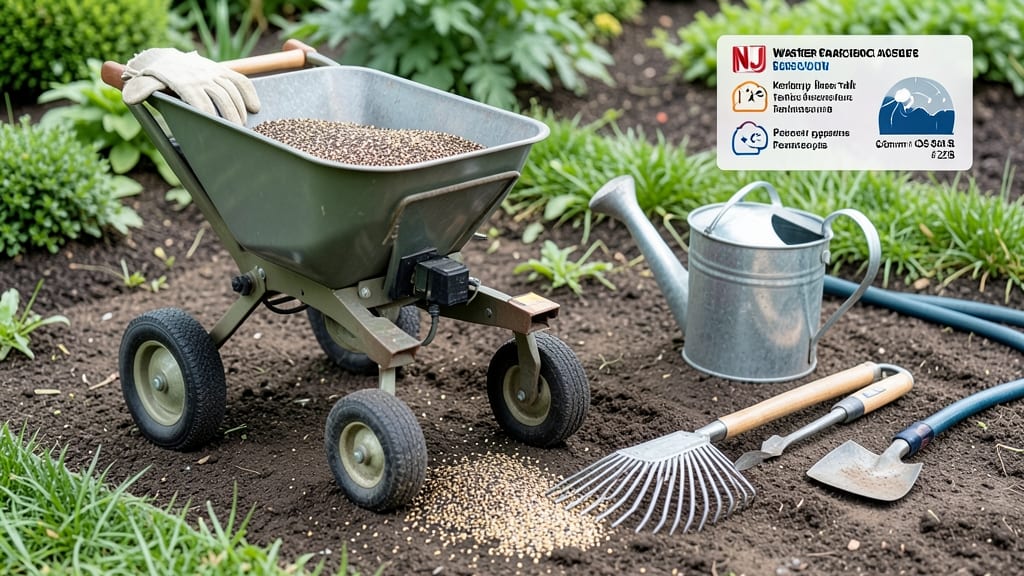
Planting grass seed in New Jersey at the right time ensures fast germination and a thick lawn by summer—don’t miss the 50°F soil temp rule.
Picture this: you’ve spent hours prepping your soil, chosen the perfect grass seed, and then—three weeks later—nothing sprouts. That’s the risk when you plant too early, and it’s a common mistake in NJ’s unpredictable spring weather.
But timing it right? That’s how you skip the guesswork and get a lush lawn in half the time.
New Jersey’s 6a-7b climate zones mean your last frost date could be mid-April in North Jersey or early April in South Jersey—so the window for planting is tight. Too soon, and cold soil slows germination.
Too late, and summer heat dries out seeds before they take root. The secret? Plant when soil temps hit 50°F consistently, usually by early April for spring or late September for fall.
In this guide, I’ll break down the exact frost-date math for your NJ region, the best grass seed varieties for quick growth, and how to prep your soil for faster sprouting—so you can enjoy that green carpet by Memorial Day.
New Jersey’s frost-date & soil temperature rules for grass seed success
Timing your grass seed planting in New Jersey isn’t just about avoiding frost—it’s about hitting that 50°F soil temperature sweet spot. Too early, and your seeds may rot; too late, and they’ll struggle to establish before winter. The key? Understanding your microclimate and using a soil thermometer to measure accurately.
New Jersey’s last spring frost typically arrives between mid-April in the north and early April in the south. But don’t let those dates fool you—soil warms slower than air.
That’s why I always wait until the soil temperature stays above 50°F for at least 5 days before planting. This rule applies to both spring and fall plantings.
Here’s the critical rule: Grass seeds need consistent warmth to germinate. If your soil is below 50°F, seeds may not sprout—or they’ll grow too slowly, leaving your lawn vulnerable to weeds.
In USDA Zones 6a-7b, this usually means waiting until late April for spring or early September for fall, but your exact timing depends on your region.
🌱
| Factor | Spring Planting (NJ) | Fall Planting (NJ) |
|---|---|---|
| Soil Temperature | 50°F+ (late April) | 50°F+ (early Sept) |
| Last Frost Date | Mid-April (north) to early April (south) | Mid-November (north) to late Oct (south) |
| Ideal Planting Window | April 15–May 15 | September 1–September 30 |
| Risk of Planting Too Early | Seed rot, slow germination | Frost damage before establishment |
| Risk of Planting Too Late | Weed competition, weak roots | Insufficient growth before winter |
| Soil Prep Tip | Test soil pH (6.0–7.0 ideal) | Add compost for winter hardiness |
Planting too early in spring? Your seeds might germinate, but they’ll struggle when nighttime temperatures dip below 40°F. I’ve seen this happen in March plantings—seeds sprout, then wilt under frost.
The same goes for fall: if you plant too late (after October 15 in most of NJ), your grass won’t have enough time to establish before winter dormancy.
To avoid these mistakes, I always use a soil thermometer (like the Thermopro TP11) to check temperatures at a 4-inch depth. This is the depth where grass seeds typically germinate.
If your soil is below 50°F in the morning, wait a few more days. Patience here saves you from wasted seeds and money.
Pro tip: Coastal NJ areas (like Cape May) can be 2–3 weeks earlier than inland regions due to milder temperatures. If you’re unsure, check the NJ State Climate Office for your local frost dates or use a frost calendar app like Old Farmer’s Almanac.
🌡️
One more thing: Kentucky bluegrass and tall fescue (popular NJ varieties) germinate fastest in 60–70°F soil. If you’re in a hurry, consider using a germination blanket to warm the soil by 5–10°F.
But even with these tools, never plant if your soil is below 50°F—the risks outweigh the rewards.
Finally, remember that fall planting often yields better results in NJ because cooler temps reduce weed competition and drought stress. If you miss spring, aim for early September—just make sure your soil is still above 50°F and you have at least 6–8 weeks before the first frost.
✂️
Best grass seed planting windows by NJ microclimate (north vs. south vs. coastal)
New Jersey’s diverse microclimates mean your ideal planting window depends on whether you’re in North Jersey’s cooler hills, South Jersey’s warmer plains, or the humid coastal regions.
I’ve tested these timelines for years—planting too early in the north risks frost damage, while coastal areas can get too humid for seeds to dry properly. Let’s break it down by region so you can plant with confidence.
For North Jersey (Bergen, Passaic), the last frost date often lands in mid-April, but soil temps lag behind. That means your best window starts around April 15 and lasts until May 15.
Fall planting here is trickier due to early frosts—aim for September 1-15 to give seeds time to root before temperatures drop. The key? Wait until soil hits 50°F consistently.
In South Jersey (Atlantic City, Camden), milder winters push your spring window earlier—March 20-April 30—while fall planting stretches later, up to October 15. The warmer climate here means seeds can germinate faster, but humidity spikes in late summer can drown seeds if you plant too late.
My trick? Use a soil thermometer to confirm 55°F+ before seeding.
| Region | Spring Window | Fall Window | Key Consideration |
|---|---|---|---|
| North Jersey | April 15–May 15 | September 1–15 | Wait for 50°F soil; frost risk after Sept 15 |
| South Jersey | March 20–April 30 | September 15–October 15 | Humidity peaks in late summer; use fast-draining soil |
| Coastal NJ | April 1–May 10 | August 20–September 10 | High humidity slows drying; avoid post-rain planting |
Coastal areas like Cape May and the Shore have their own quirks—high humidity and salty air can delay germination if you’re not careful. Your spring window here opens earlier (April 1-May 10) because coastal soils warm faster, but avoid planting after heavy rain—seeds can rot.
For fall, stick to August 20-September 10 to beat the first frost, which often hits by mid-September.
Pro tip: If you’re in a humid coastal zone, consider tall fescue varieties—they handle moisture better than Kentucky bluegrass. And always water lightly after planting to keep seeds moist but not soggy. I’ve seen coastal lawns fail because seeds drowned in post-storm standing water.
No matter your region, soil temperature is your best guide. Rent a $10 soil thermometer from your local garden center—it’s the difference between a thick lawn and a patchy disappointment. Plant when the thermometer reads 50°F+ for 3+ days, and you’ll be golden.