
Plants
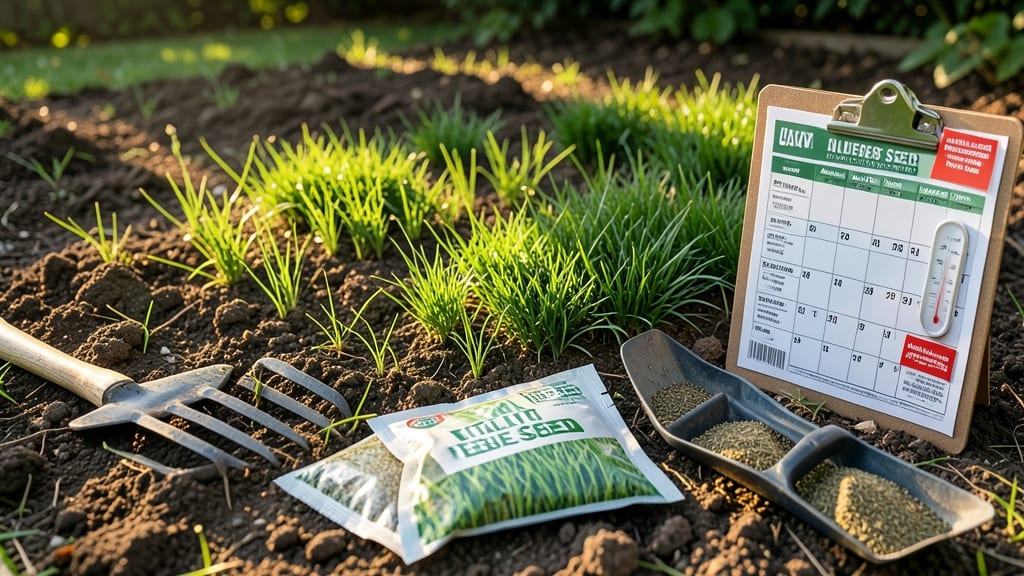
Planting grass seed in Michigan too late risks weak roots and winter kill, but knowing the exact cutoff date ensures a lush lawn next spring.
Michigan’s unpredictable fall weather can leave gardeners scrambling—planting grass seed 🌱 too late risks weak roots and winter kill, but knowing the exact cutoff date ensures a lush lawn next spring.
For USDA zones 5b-6b, the ideal window is 4-6 weeks before the first frost, usually mid-September to early October. After that, germination slows, and seedlings struggle to establish before winter.
Below, I’ll break down the exact dates by zone, how to prep your soil, and what to do if you’ve already missed the window—because even late plantings can still work with the right strategy.
Michigan’s fall grass seed planting deadline by hardiness zone (with exact dates)
Michigan’s cool-season grasses like Kentucky bluegrass and tall fescue thrive when planted in early fall, but timing is critical. Planting too late means weak roots before winter, while planting too early risks summer heat stress.
The USDA hardiness zones 4-6 across Michigan each have specific deadlines based on soil temperature and frost risk.
For optimal root establishment, seeds need 4-6 weeks before the first frost to develop a 3-4 inch root system. In Michigan, this typically means planting between mid-August and mid-September, but exact dates vary by zone. Soil temperatures should stay above 50°F (10°C) for germination to occur.
Here’s your zone-specific deadline guide to avoid winter kill and ensure a thick, green lawn next spring:
| USDA Zone | Latest Planting Date | Soil Temp Requirement | Frost Risk | Root Establishment Window |
|---|---|---|---|---|
| Zone 4a (Northern MI) | September 15 | 50-60°F (10-15°C) | High (First frost: Oct 10-15) | 4 weeks minimum |
| Zone 4b (Upper Peninsula) | September 10 | 50-58°F (10-14°C) | Very High (First frost: Oct 5-10) | 3-4 weeks minimum |
| Zone 5a (Central/Southern MI) | September 25 | 50-62°F (10-17°C) | Moderate (First frost: Oct 15-20) | 5 weeks minimum |
| Zone 5b (Southeast MI) | October 5 | 50-65°F (10-18°C) | Low (First frost: Oct 20-25) | 6 weeks minimum |
| Zone 6a (Southwest MI) | October 10 | 50-68°F (10-20°C) | Minimal (First frost: Oct 25-Nov 1) | 6-7 weeks minimum |
If you’re in Zone 4 and plant after September 15, your grass may not establish roots before freezing temperatures. In Zone 6, you have a slightly longer window, but planting after October 10 risks winter dormancy before full coverage.
For early freezes, adjust your timeline by 2 weeks earlier. Use a soil thermometer to confirm temperatures stay above 50°F (10°C) for germination. If frost hits before seeds sprout, they’ll fail to establish.
To extend your planting window, choose fast-germinating varieties like annual ryegrass, which can establish in 10-14 days. Pair it with tall fescue for long-term resilience. Always water deeply (1-1.5 inches per week) to encourage root growth.
If you miss the deadline, don’t panic! Overseeding in early spring (after last frost) is a great backup. Just aerate your lawn first to improve seed-to-soil contact and reduce competition from weeds.
Pro tip: Mulch lightly with straw after planting to retain moisture and protect seeds from late-season heat. This buys you an extra 1-2 weeks of growing time before frost.
🌱
5 Signs you’ve missed the grass seed planting window (and how to salvage it)
If your grass seed hasn’t sprouted within 14-21 days of planting, you may have missed the ideal window. Michigan’s cool-season grasses like Kentucky Bluegrass and Tall Fescue need consistent soil temps above 50°F (10°C) to germinate properly. Once temperatures drop below this threshold, seedlings struggle to establish roots before winter.
Another red flag is patchy germination or seedlings that appear weak and yellowish. This often happens when planting too late in fall—seedlings don’t have enough time to develop deep roots before the ground freezes.
Even if you see a few blades of grass, they may not survive Michigan’s harsh winters without proper preparation.
🌱
- 1. Soil temp below 50°F (10°C) – Use a soil thermometer to check. If it’s cooler, germination slows dramatically.
- 2. Seedlings appear stunted – Grass blades stay under 1 inch tall or look pale and leggy.
- 3. Frost predicted within 2 weeks – Seedlings need 4-6 weeks to establish before winter.
- 4. Weeds outcompete grass – Late plantings often see crabgrass or dandelions dominating instead.
- 5. Bare patches persist – Even after watering, some areas remain uncovered, signaling poor seed-to-soil contact.
Don’t panic if you’ve missed the fall window—there are still ways to salvage your lawn. One option is overseeding in early spring (March-April), when soil temperatures rise and frost risk decreases. Before planting, aerate compacted soil and apply a starter fertilizer to give new seedlings a nutrient boost.
For late fall plantings, consider using a winter ryegrass mix, which germinates faster in cooler temps.
If your lawn is already struggling, try winterizing by applying a thin layer of straw mulch (1/4 inch) over seeded areas. This insulates seeds from temperature swings and prevents erosion.
Just be sure to remove it in spring before new growth emerges. For bare spots, consider sod patches in spring—a quick fix for high-traffic areas.
For next year, mark your calendar: In Michigan, fall planting should finish by mid-October in most zones. Use a seed germination calculator to estimate your local frost date, and plant 4-6 weeks before that cutoff.
If you’re unsure, err on the earlier side—cool-season grasses establish faster when soil is still warm.
🌿