
Plants
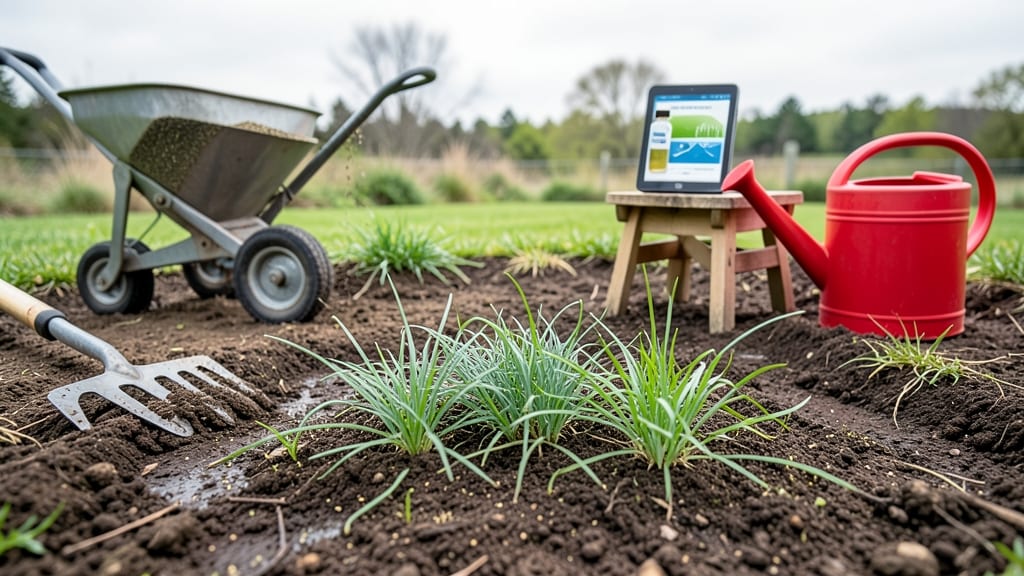
Planting grass seed in spring in Michigan means timing it right for fast germination—usually between mid-April and early June, when soil temps hit 50–55°F and frost risk drops.
Michigan’s unpredictable spring weather can turn your grass-seeding plans into a guessing game—plant too early and risk frost damage, too late and face summer drought. But timing it just right ensures thick, lush grass by summer’s end.
This isn’t just about picking a date—it’s about reading your region’s frost averages, soil conditions, and even rainfall patterns. Northern Michigan’s cooler climate demands an earlier window than the southern part of the state, where warmer spells arrive sooner.
Below, I break down the exact week-by-week timeline for Michigan’s distinct zones, plus the 5 critical factors that determine your perfect planting week—so you can skip the trial-and-error and get results faster.
Michigan’s ideal spring grass-seeding timeline: exact weeks by region (northern vs southern)
Michigan’s three distinct regions—Upper Peninsula, Northern Lower Peninsula, and Southern Lower Peninsula—each have unique frost patterns and soil warming speeds. Getting your grass seed in the ground at the right time means the difference between a thick, green lawn and a patchy, slow-growing mess.
The key? Planting when soil temperatures hit 50-55°F and frost risk drops below 10%.
For most of Michigan, this window falls between late April and early May, but your exact timing depends on which region you’re in. The Upper Peninsula typically waits until mid-May, while Southern Michigan can start as early as late March in some years.
Let’s break it down by week so you can mark your calendar and avoid common mistakes.
Pro Tip: Use a soil thermometer ($10 at garden centers) to confirm temperatures before seeding. Cold soil slows germination, and waiting for the right conditions saves time and seed.
If you’re in the Upper Peninsula, don’t rush to plant before May 15. The risk of late frosts lingers well into May, and seeding too early can leave your tender grass seedlings frost-bitten.
Instead, prepare your soil in April by removing weeds and adding compost, then wait for the green light.
For the Northern Lower Peninsula, aim for late April if your soil warms quickly, but be ready to delay until mid-May if temperatures dip. This area is a microclimate battleground, so check the National Weather Service for your specific county’s frost predictions.
Southern Michigan gardeners have the most flexibility. If you’re in Detroit, Ann Arbor, or Kalamazoo, you can start seeding as early as late March in mild winters. However, if April brings unexpected cold snaps (which it often does), delay until early May to avoid stressing your seedlings.
Regardless of your region, avoid planting in June or July. By then, Michigan’s summer heat and drought conditions make it nearly impossible for new grass to establish before going dormant.
If you miss your spring window, your best bet is early fall seeding (September-October), when soil is still warm but air temperatures cool down.
Once you’ve picked your planting window, test your soil’s moisture before seeding. Stick your finger 2 inches deep—if it feels dry, water deeply the day before planting. Grass seed needs consistent moisture to germinate, and Michigan’s spring showers can be unpredictable.
A light mulch of straw (not wood chips) helps retain moisture and protects seedlings from temperature swings.
Finally, choose the right grass seed mix for your region. Cool-season grasses like Tall Fescue and Perennial Ryegrass thrive in Michigan’s climate, while warm-season grasses (like Zoysia) struggle in our short summers.
For most Michigan lawns, a 50/50 blend of Kentucky Bluegrass and Fine Fescue offers the best balance of durability and low-maintenance care.
With the right timing and prep, your Michigan lawn can go from brown patches to lush green by summer. Mark your calendar, grab your soil thermometer, and get ready to seed when the conditions are perfect!
5 Critical factors that determine your perfect planting week in Michigan
Timing your grass seed planting in Michigan’s spring isn’t just about checking a calendar—it’s about reading your soil temperature, predicting frost risk, and matching your grass seed type to local conditions.
Cool-season grasses like Kentucky bluegrass and fescue thrive when planted in early spring (March-April), while warm-season grasses like Bermuda prefer late spring (May-June). But without the right prep, even the best timing can fail.
Start by testing your soil temperature—grass seeds need 50-55°F soil to germinate. Use a soil thermometer (or the back of your hand: if it feels like a warm bath, it’s ready). Michigan’s northern regions often lag behind southern areas by 1-2 weeks, so adjust accordingly.
Rainfall patterns also play a role: April showers can help, but too much moisture leads to fungal issues. Balance is key.
- Soil Temperature: Wait until soil reaches 50-55°F (use a thermometer!). Northern MI: late April; Southern MI: early April.
- Frost Risk: Plant 4-6 weeks before the average last frost (Mid-April in most areas). Check NOAA frost maps for your zone.
- Rainfall Patterns: Aim for 1 inch of rain weekly post-planting. Avoid planting if >0.5 inches of rain is forecast in 48 hours.
- Grass Seed Type: Cool-season (e.g., Tall Fescue) = early spring; Warm-season (e.g., Zoysia) = late spring.
- Pre-Planting Prep: Test soil pH (6.0-7.0 ideal), till top 2 inches, and remove weeds/debris. Checklist included below!
Don’t overlook grass seed type—Michigan’s climate favors cool-season grasses for spring planting. Varieties like Kentucky bluegrass and fine fescue germinate quickly in 4-10 days when conditions are right, but warm-season grasses (like Bermuda) need warmer soil (65°F+) and are better suited for late May-June.
If you’re unsure, opt for a mix designed for Michigan’s USDA Zones 5b-6b.
Use a pre-planting checklist to avoid common pitfalls. First, test your soil pH—ideal levels are 6.0-7.0. If your soil is too acidic, add lime 2-3 weeks before planting. Next, till the top 2 inches of soil to loosen it, then rake to create a smooth, seed-friendly surface.
Remove weeds and debris—they’ll compete with your new grass for nutrients. Finally, water lightly the day before planting to settle the soil.
Monitor weather forecasts in the days leading up to planting. If a hard frost is predicted within 5-7 days, delay seeding until conditions stabilize. Similarly, avoid planting if heavy rain is forecast—seeds need consistent moisture but can rot if oversaturated.
Aim for a week with mild temps (50-70°F) and minimal wind, which can dry out seeds or bury them too deeply.
Once planted, water deeply (1 inch weekly) to encourage root establishment. Use a sprinkler with gentle mist to avoid displacing seeds. In northern Michigan, where springs are cooler, expect germination in 7-14 days; in southern Michigan, seeds may sprout in 4-10 days.
Keep your lawn lightly watered (not soggy) for the first 3-4 weeks to prevent fungal diseases like damping-off. With the right timing and care, you’ll have a thick, green lawn by summer!