
Planting
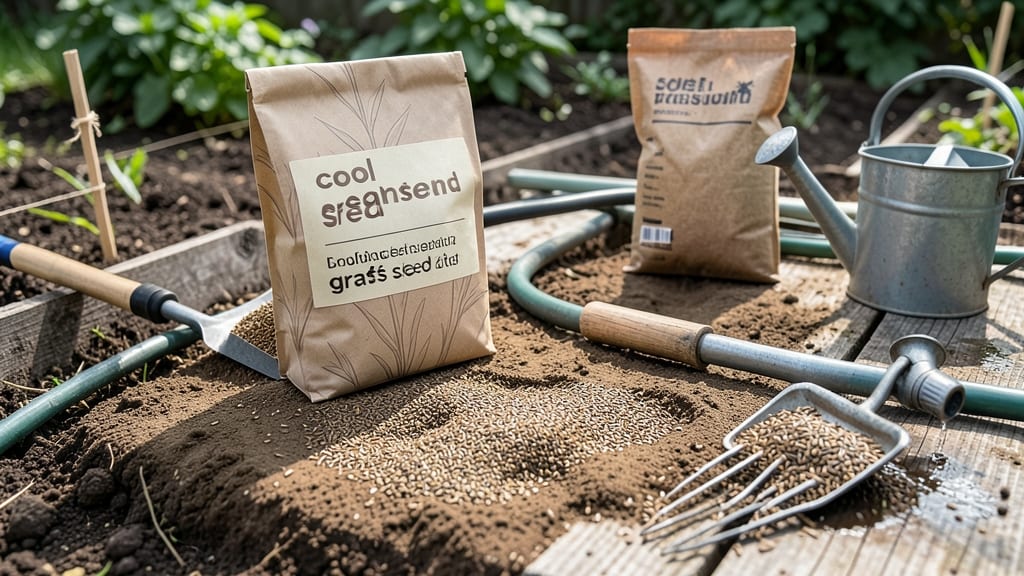
Fall is the secret weapon for a thick, vibrant lawn—when you sow grass seed before first frost, you’ll outpace spring planting every time. 🌱 I’ve learned the hard way that skipping this window means fighting weeds, drought, and thin patches all summer.
The key? Cool temperatures and moist soil create perfect conditions for seeds to germinate and establish deep roots before winter slows things down.
Start with a simple soil prep: rake up debris, loosen compacted areas with a garden fork, and spread a thin layer of compost. Choose cool-season grasses like tall fescue or Kentucky bluegrass—they thrive when days grow shorter.
For best results, plant between late August and mid-October, depending on your zone, and water lightly every day until the grass reaches 3 inches tall.
What sets fall apart is how the grass grows: roots dive deep before winter, so you’ll see faster, fuller coverage next spring. No more patchy lawns or struggling seedlings—just a lush carpet that stays green longer.
The best part? Fewer weeds compete for space, so your new grass gets the head start it deserves.
For Southern climates, aim for early fall to avoid winter rains; Northern gardeners can push it to October. Avoid common mistakes like over-seeding or skipping soil tests—both lead to wasted seed. With the right timing and care, your lawn will be the envy of the neighborhood by next summer.
📚 In This Guide
- What you need
- Instructions
- Tips and common mistakes
- Wrapping up and next steps
What you need
- ● High-quality grass seed: Choose a blend suited to your climate (e.g., tall fescue, ryegrass, or fine fescue). Aim for 5–10 lbs per 1,000 sq ft for new lawns or 3–5 lbs for overseeding.
- ● Lawn rake: A bendable-tine rake (for loosening soil) or a bow rake (for leveling). Size: 24–36 inches wide for efficiency.
- ● Broadcast spreader: A drop spreader (for precision) or a broadcast spreader (for even coverage). Capacity: 10–20 lbs to avoid frequent refills.
- ○ Soil test kit: Optional but highly recommended—check pH and nutrient levels. Adjust with lime (if pH ) or fertilizer (if pH > 7.0).
- ● Starter fertilizer: A high-phosphorus blend (e.g., 10-20-10) to promote root growth. Apply ½ lb per 1,000 sq ft.
- ● Water source: A hose with a sprinkler head or drip irrigation system. Ensure consistent ¼-inch watering daily for the first 2–3 weeks.
- ● Protective gear: Gloves, knee pads, and a face mask (to avoid seed dust inhalation).
- ● Soil conditioner: Compost or peat moss (to improve drainage in clay-heavy soil). Spread ¼-inch thick over the area.
- ● Lawn roller: A 100–150 lb roller to press seed into soil (helps with germination).
- ● Weed barrier fabric: If overseeding, lay landscape fabric to block weeds before seeding.
- ● Seed germination blanket: A biodegradable erosion mat to protect seeds from birds and erosion (especially useful on slopes).
Step-by-Step instructions for sowing grass seed in fall
Here's how to create a thick, resilient lawn that thrives through winter and springs to life early.
🌱 Step 1: Prepare the Soil for Optimal Seed Germination
Start by mowing your lawn as short as possible—about 1 inch—to ensure the seed makes direct contact with the soil. This is crucial because seed needs good soil contact to germinate properly. After mowing, rake the area thoroughly with a stiff-bristle rake to remove debris and loosen the top layer of soil.
For bare spots or new lawns, use the garden rake to create a fine, crumbly texture. You want the soil to feel like a soft, sandy loam—this ensures seeds won't get buried too deep or sit on a hard surface. If your soil is compacted, consider aerating with a core aerator to create small holes for seeds to nestle into.
🌿 Step 2: Spread Grass Seed Evenly for Uniform Growth
Use the spreader set to the recommended setting for your seed type—usually medium for most cool-season grasses. Walk in straight lines, overlapping slightly with each pass to avoid patchy coverage. I like to go back a second time in a perpendicular direction to ensure even distribution. This double-pass method guarantees no bare spots slip through.
For small areas, use your hand to scatter seed lightly—just press it into the soil surface. Avoid burying seeds more than ¼ inch deep, or they won’t have enough energy to push through. Lightly rake again after spreading to press seed into the soil without burying it completely.
💧 Step 3: Water Immediately and Keep Soil Moist for Germination
Water the seeded area immediately after sowing with a gentle, fine mist—this activates the seed and helps it settle into the soil. Use enough water to moisten the top 1-2 inches of soil, but avoid creating puddles. Overwatering at this stage can wash seeds away or cause them to rot before germination.
Keep the soil consistently moist for the first 2-3 weeks—this is critical for seedling establishment. Water lightly every day, ideally in the morning, to prevent fungal diseases. You’ll know you’re doing it right when the soil feels damp 1 inch below the surface but not soggy. Once seedlings reach 2-3 inches tall, you can gradually reduce watering to 2-3 times per week.
☀️ Step 4: Maintain and Protect New Grass Through Winter
Once your grass reaches 3-4 inches tall, mow it to 3 inches to encourage root growth and prevent disease. Avoid mowing when the grass is wet, as this can damage the blades. If frost threatens before the grass is established, cover the area with a light layer of straw or leaves to protect tender seedlings.
In late fall, apply a light layer of mulch (like compost or straw) to insulate the soil and retain moisture. This helps roots survive winter and gives your lawn a head start in spring. Avoid heavy mulch, which can smother new growth. With proper care, your lawn will emerge greener and thicker than ever in spring.
Tips & tricks for perfect fall grass seed sowing
These game-changing insights will help you transform your lawn into a thick, vibrant carpet that survives winter and bursts back to life in spring.
Soil Prep Secret: After mowing to that 1-inch height in Step 1, take a handful of your prepared soil and squeeze it gently. If it crumbles easily, you're golden—seeds will have perfect contact. If it stays in a clump, add a thin layer of compost and work it in. This ensures your seeds won't get buried too deep or sit on a hard surface, both of which can prevent germination. For compacted areas, renting a core aerator for just 30 minutes can make all the difference—it creates those tiny pockets where seeds will nestle perfectly.
Seed Distribution Hack: When using the spreader in Step 2, walk in a north-south direction first, then east-west for that double-pass method. This isn't just about coverage—it's about creating a uniform seed blanket. For small areas, try the "hand method": sprinkle seed lightly while walking backward, then turn and sprinkle again at a 90-degree angle. The key is to avoid burying seeds more than ¼ inch deep—just press them gently into the soil surface. You'll know you've done it right when you can barely see the seeds anymore, but they're still visible.
Watering Wisdom: That immediate watering in Step 3 isn't just about hydration—it's about settling the seeds into their new home. Use a gentle rain setting on your sprinkler or watering can to create that fine mist. The goal is to moisten the top 1-2 inches without creating puddles. Pro tip: water in the morning so any excess moisture has time to evaporate during the day, reducing the risk of fungal diseases. And when checking soil moisture, dig down 1 inch with your finger—this is where the action happens for seedling roots.
Winter Protection Strategy: When applying that light mulch layer in Step 4, think "blanket" not "burial." Straw works best because it allows water to penetrate while insulating roots. Spread it no thicker than ½ inch—any more and you risk smothering the tender new growth. For frost protection, use leaves instead of straw—they provide better insulation against sudden cold snaps. And remember, once your grass reaches 3-4 inches, it's tough enough to handle winter's chill without extra protection.
Pro Tips for Sowing Grass Seed In Fall
- These game-changing insights will help you transform your lawn into a thick, vibrant carpet that survives winter and bursts back to life in spring.
- Soil Prep Secret: After mowing to that 1-inch height in Step 1, take a handful of your prepared soil and squeeze it gently.
- Seed Distribution Hack: When using the spreader in Step 2, walk in a north-south direction first, then east-west for that double-pass method.
Frequently asked questions
Got questions about timing, prep, or troubleshooting? Here are answers to the most common ones—so you can nail that fall grass-seeding project with confidence!
When is the absolute latest I can sow grass seed in fall?
Seed should go in the ground at least 4–6 weeks before your first hard frost—typically mid-to-late September in most U.S. regions. If you’re unsure, check your local frost dates or aim for when daytime temps hover around 60–70°F (15–21°C). Cool nights (below 50°F/10°C) signal it’s time to stop.
What if I miss the window? Can I still plant in late fall?
You can try, but success depends on your climate. In mild-winter zones (Zones 7–10), sowing in October or November may still work if soil temps stay above 40°F (4°C) and you protect seedlings with frost cloth. In colder areas, wait until spring—fall seeding is riskier after frost hits.
Can I use the same soil as last year, or do I need to till?
Ideally, lightly till or aerate to break up compacted soil and loosen roots. If your lawn is thin, remove dead patches first. Skip tilling if your soil is already loose (like sandy loam), but always rake to smooth seeds into contact with soil—this boosts germination rates by 30–50%.
How do I keep pests (like voles or birds) from eating my seeds?
Start by covering seeds with a thin layer of straw or peat moss (not soil) to deter birds. For voles/mice, sprinkle diatomaceous earth or use repellent granules. After germination, apply a light mulch (like shredded leaves) to protect young grass. Avoid overwatering—soggy soil attracts pests!
My seeds aren’t sprouting—what’s the deal?
Check these first:
- Moisture: Keep soil consistently damp (not soggy) for 10–14 days. Water lightly twice daily if needed.
- Depth: Seeds buried >¼ inch may rot; too shallow = dry out.
- Sunlight: Seedlings need 6+ hours of sun/day—shady spots slow growth.
- Soil temp: Below 50°F (10°C) halts germination. Wait until temps rise.
Wrapping up and next steps
Sowing grass seed in the fall is your golden ticket to a vibrant, resilient lawn—just in time for spring!
By leveraging cooler temps and fewer weeds, you’re setting your yard up for success with minimal effort. Don’t wait—grab your seeds, roll up your sleeves, and give your lawn the head start it deserves!
Ready to transform your outdoor space? Start by testing your soil (if you haven’t already) and prepping your area this weekend. Check out our step-by-step guide to turn your patchy yard into the envy of the neighborhood! 🌱