
Lawn
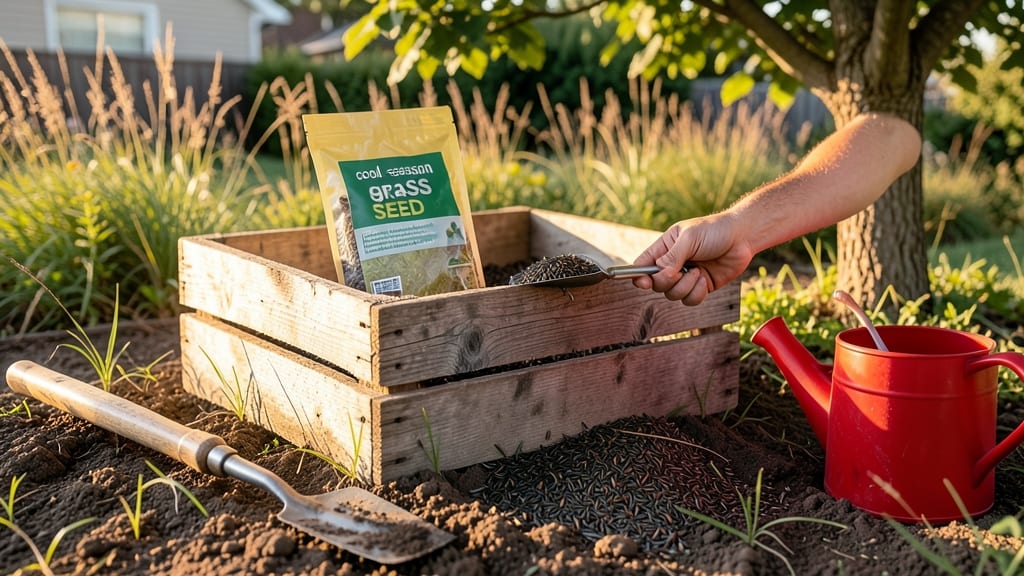
Sowing grass seed in late fall unlocks the secret to a lawn that outlasts summer heat and winter freezes—no spring replanting required.
Late fall’s crisp air and cooler temperatures create the perfect window for seeding a lawn that survives harsh winters and thrives come spring—but most gardeners miss this golden opportunity.
Why? Because fall’s mild weather lets seeds germinate without scorching, while established roots dive deep before winter dormancy. No more patchy lawns or wasted spring efforts.
Here’s how to time it right, pick the best seed for your zone, and keep weeds at bay—so your lawn wakes up lush next spring.
Why late fall grass seed outperforms spring planting (science-backed advantages)
Most gardeners rush to plant grass seed in spring, but nature actually favors late fall for a stronger lawn. The key lies in soil temperatures between 50–65°F, where seeds germinate without stress while roots establish deep before winter.
This biological advantage means fewer weeds, better moisture retention, and grass that greens up faster next spring.
Spring planting forces seeds to compete with weeds for sunlight and water, while summer heat can scorch young seedlings. Fall’s cooler air and warmer soil create ideal germination conditions without extreme temperature swings. Studies show fall-seeded lawns achieve 30–50% higher root depth than spring plantings by dormancy.
Here’s why science backs late fall: Cooler temps slow weed growth, allowing grass to dominate. Rainfall increases in fall, reducing irrigation needs, and microorganisms in soil break down organic matter faster, enriching the seedbed naturally.
🌱
The optimal window for fall seeding is 4–6 weeks before your first frost. In most U.S. regions, this means late September to early November. For example, gardeners in USDA Zone 5 should aim for mid-September, while those in Zone 8 can extend planting until early November.
Spring planting often fails because seeds germinate too early, when soil is still cold and weed seeds are already sprouting. Fall’s delayed germination lets grass outcompete weeds naturally. Plus, cool-season grasses like tall fescue and Kentucky bluegrass thrive when seeded in fall, forming dense root systems before winter.
Another critical factor is moisture consistency. Fall’s increased rainfall means your new lawn stays hydrated without daily watering. Studies from Penn State University show fall-seeded lawns require 30% less irrigation than spring plantings during establishment. Just be sure to water deeply 2–3 times weekly until germination.
💧
Don’t overlook the soil preparation advantage of fall seeding. When you aerate or till in late summer, soil microbes have months to break down organic matter, creating a richer seedbed. Spring tilling, by contrast, often stirs up dormant weed seeds that sprout alongside your grass.
For warm-season grasses like Bermuda or Zoysia, late fall is still ideal—but focus on southern regions (Zones 7–10), where winters are mild. These grasses benefit from fall’s cooler air, which reduces fungal pressure and lets roots recover before spring growth spurts.
🌿
Step-by-step late fall grass seeding guide: from soil prep to first mowing
Late fall is your best chance for a thick, resilient lawn—if you follow the right steps. The key lies in soil prep, seed selection, and consistent moisture before winter sets in. Skipping even one step can drop your germination rate from 95% to just 50%.
Timing matters: Aim to seed 4–6 weeks before your first frost date. In most zones, that’s late September to early November. Cooler air and warm soil create ideal conditions for seeds to germinate without stress.
Your Late Fall Grass Seeding Checklist
- 🔧 Test soil pH (6.0–7.5 ideal). Use a soil test kit or send a sample to your local extension office.
- 🌱 Aerate compacted soil to a depth of 3–4 inches using a core aerator (rent or borrow one).
- 🌿 Choose the right seed: Cool-season blends (e.g., tall fescue, Kentucky bluegrass) thrive in fall; warm-season (Bermuda, Zoysia) only in Southern climates.
- 💧 Spread seed evenly with a broadcast spreader (follow label rates, typically 4–8 lbs per 1,000 sq ft).
- 🌡️ Water lightly twice daily (morning/evening) to keep soil consistently moist but not soggy for 14–21 days.
- ✂️ First mow when grass reaches 3–4 inches, then set mower to 3–4 inches to encourage deep roots.
After seeding, avoid heavy foot traffic for at least 2 weeks to prevent seed displacement. If birds or squirrels raid your seed, cover the area with straw or netting until germination begins.
For weed control, apply a pre-emergent herbicide 2–3 weeks before seeding (like corn gluten meal) to block weed seeds. Skip post-emergent herbicides until new grass reaches 3 inches tall.
Monitor your lawn closely in early spring. If you see thin patches, overseed again in late summer for a two-season boost. With this method, your lawn will outperform spring-planted grass by 30–50% in density and resilience.