
Plants
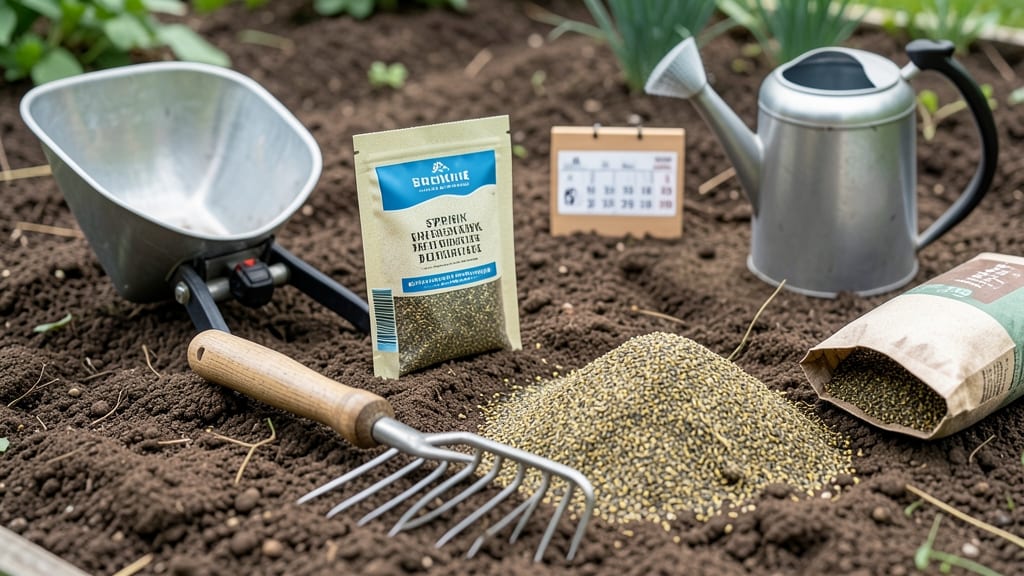
Planting new grass seed in spring at the right time ensures thick, healthy growth that crowds out weeds before summer heat sets in.
Timing your grass seed planting in spring can mean the difference between a lush, vibrant lawn and a patchy, weed-infested disappointment—here’s how to get it right.
In USDA Zone 6a, where most of the U.S. falls, aim for early spring planting—4 to 6 weeks before your last frost date—when soil temperatures hit 50–65°F.
This window (typically late March to early April) gives seedlings enough cool weather to establish roots before summer stress kicks in.
Below, I’ll break down the exact dates for your region, soil prep secrets to avoid common mistakes, and how to extend your planting window if spring drags on.
Optimal spring planting windows by climate Zone for new grass seed success
Getting your grass seed in the ground at the right time in spring is everything—especially since cool-season grasses like Kentucky bluegrass and fescue thrive when temperatures are mild. Plant too early, and frost will kill your tender sprouts.
Too late, and summer heat stresses young roots. The key? Soil temperature between 50°F and 65°F—this window varies wildly across the U.S., so let’s break it down by zone.
For Northern climates (USDA Zones 3-6), aim to plant 4-6 weeks before your last frost date. This typically lands in early April to mid-May, depending on your region.
In Southern climates (Zones 7-10), you’ve got more flexibility—focus on late winter to early spring (February to March) when soil warms but before summer’s brutal heat arrives. The difference? Cool-season vs. warm-season grasses behave totally differently.
Cool-season grasses (think tall fescue, ryegrass) need that 50-65°F soil to germinate. Warm-season grasses (Bermuda, Zoysia) wait for 65-75°F—so Southern gardeners can push planting into late spring or early summer. But here’s the catch: late spring planting risks drought stress, so mulch heavily and water deeply.
| USDA Zone | Ideal Planting Window | Soil Temp Threshold | Grass Type | Key Tip |
|---|---|---|---|---|
| 3-6 (North) | Early April–Mid-May | 50–65°F | Cool-season (Fescue, Bluegrass) | Avoid planting if frost is forecasted within 2 weeks. |
| 7-9 (South) | Late Feb–Early April | 60–70°F | Warm-season (Bermuda, Zoysia) | Use shade cloth if planting in late spring to protect seedlings. |
| 10+ (Tropical) | Year-round (best in rainy season) | 70–80°F | St. Augustine, Centipede | Water daily for first 3 weeks to prevent drought stress. |
| Transition Zones (6-7) | Late March–Early May | 55–68°F | Tall Fescue (hybrid) | Test soil moisture—it should feel like a damp sponge. |
If you’re in a transition zone (like Zone 6-7), you’ve got the toughest call—plant too early, and late frosts zap your seedlings; too late, and summer heat sets in. Tall fescue hybrids handle this best, but even they need consistent moisture once planted.
Pro tip: Use a soil thermometer (they’re cheap!) to confirm temps before committing.
For Northern gardeners, mark your calendar for 4-6 weeks before your last frost date. Check your local USDA Plant Hardiness Zone Map—if you’re in Zone 4, that’s likely mid-April.
In Zone 5 or 6, aim for early to mid-April. Miss this window, and you’ll either deal with frost damage or weed competition as your grass struggles to establish.
Southerners have a second chance in fall planting (September-October), but spring is still critical. Warm-season grasses like Bermuda grass need that 65-75°F soil to germinate, so don’t rush—wait until late spring (May-June) when soil is consistently warm. Overwatering is a common mistake here; let the top inch of soil dry between waterings once seedlings emerge.
Regional quirks matter too. In the Pacific Northwest, cooler springs mean planting can stretch into May, while the Southeast might see ideal conditions as early as February.
Check your local cooperative extension service for hyper-local advice—they track soil temps and frost dates year-round. For example, Atlanta (Zone 7
5 Signs your spring soil is ready (and 3 mistakes to avoid before planting)
Before you rush to spread that new grass seed, check your soil for these 5 key indicators—they’ll tell you whether your lawn is ready for a fresh start. Skipping these steps often leads to poor germination, wasted seed, or even inviting weeds to take over.
First, grab a soil thermometer and test the top 2 inches of soil. For cool-season grasses like Kentucky bluegrass or tall fescue, the ideal temperature range is 50–65°F. If it’s colder, wait—seedlings won’t sprout properly in chilly soil, no matter how eager you are to see green.
Next, dig a small hole and feel the moisture level. Your soil should be damp but not soggy—think of a wrung-out sponge. If it’s bone-dry, water deeply the day before planting. Overly wet soil can suffocate seeds, while dry soil prevents them from absorbing moisture.
🌱 5 Signs Your Soil Is Ready
- 🌡️ Soil temp 50–65°F (test with a thermometer)
- 💧 Moist but not waterlogged (squeeze a handful—it should hold shape)
- 🌿 Weeds are actively growing (shows soil is warming)
- ✂️ Loose topsoil (easily rakes to a fine texture)
- ☀️ 6+ hours of sunlight daily (check with a sun tracker)
Weeds popping up? That’s actually a good sign—it means your soil is warm enough for seeds to germinate. However, don’t let weeds grow too tall before planting; they’ll compete with your new grass for nutrients. A quick pre-emergent herbicide or hand-pulling a few days before seeding can help.
Now, let’s talk mistakes. Planting too early (before the last frost) risks frost damage to tender seedlings. Conversely, planting too late (after soil hits 75°F+) stresses grass, leading to weak growth. Another blunder? Skipping soil prep—compacted soil blocks roots. Fix it by aerating or adding compost to improve drainage.
If your soil feels hard as a rock, rent a core aerator to create holes for roots. Mix in 1–2 inches of compost to loosen the soil and boost nutrients. This step alone can double your germination success rate—trust me, your future lawn will thank you!
Finally, avoid the temptation to over-seed or bury seeds too deep. Lightly rake them into the top ¼ inch of soil and cover with a thin layer of straw. This protects them from drying out while allowing sunlight to reach the surface for photosynthesis.