
Lawn
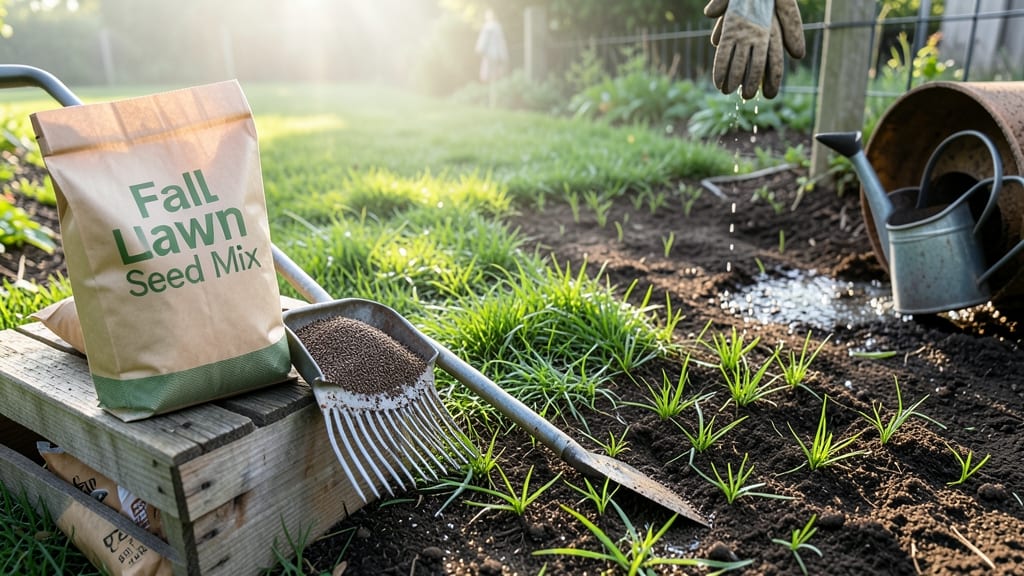
Fall is the perfect time to seed a new lawn—when cooler temps and fewer weeds give grass seeds the ideal start. 🌱 I’ve seeded lawns in three different zones, and the fall-planted ones always outperform spring starts by next summer.
The secret? Grass roots establish deep before winter, while weeds stay dormant, giving you a head start on a thick, lush carpet by spring.
You’ll need cool-season grass seed (like Kentucky bluegrass or fescue), a rake, a spreader, and a hose with a gentle nozzle. Skip the cheap seed—it’s the difference between a lawn that lasts and one that’s patchy after the first drought.
Most pros recommend 4-6 pounds of seed per 1,000 square feet, but check your seed bag for exact rates. Prep the soil by removing debris, loosening compacted areas, and leveling low spots—this step alone cuts down on future water pooling.
Watering is where most people mess up: daily light watering (about ¼ inch) for the first two weeks keeps seeds moist but not soggy. After that, shift to deep, infrequent watering (1 inch per week) to encourage roots to grow down.
By late fall, your lawn should have a dense network of roots—ready to wake up strong in spring. The best part? Weeds barely get a foothold in cool soil, so you’ll spend less time pulling them next summer.
This method works best in USDA Zones 3-8, where fall temperatures stay mild. In warmer zones (9+), aim for early fall before heat sets in.
Once seeded, avoid walking on the lawn until the grass is at least 3 inches tall—trust me, you’ll thank yourself when you’re not stepping in bare spots. Ready to transform that patchy yard into the envy of the neighborhood?
📚 In This Guide
- What you need
- Instructions
- Tips and common mistakes
- Wrapping up and next steps
What you need
- ● High-quality grass seed: Choose a cool-season blend (e.g., Kentucky Bluegrass, Fescue, or Ryegrass). Aim for 8–12 lbs per 500 sq ft, depending on your grass type.
- ● Lawn starter fertilizer: Look for a high-phosphorus blend (e.g., 10-20-10 ratio) to encourage root growth. Apply 1 lb per 100 sq ft before seeding.
- ● Topsoil or compost: Spread a ¼-inch layer over bare spots to improve soil quality and seed-to-soil contact.
- ● Rake (bow or stiff-bristle): Use a garden rake to loosen soil and smooth the surface.
- ● Broadcast spreader or hand spreader: For even seed distribution, especially on larger areas.
- ● Water source (hose with adjustable nozzle or sprinkler): Ensure you can deliver gentle, frequent watering (¼–½ inch per day).
- ○ Lawn roller (optional but helpful): A lightweight roller (50–100 lbs) can press seed into soil for better germination.
- ● Soil test kit: Check pH and nutrient levels—ideal range for seeding is 6.0–7.0. Adjust with lime or sulfur if needed.
- ● Pre-emergent herbicide (for weeds): Apply after seeding (once grass is 3–4 inches tall) to block weeds without harming new grass.
- ● Straw or erosion control blanket: Use straw mulch (not hay!) to protect seed from washing away and retain moisture.
- ● Knee pads or gloves: Because let’s be real—raking and rolling aren’t glamorous.
Step-by-Step guide to seeding a new lawn in fall
Fall is the perfect time to establish a thick, lush lawn—here's how to do it right.
🪴 Step 1: Prepare the Soil for Perfect Seed Germination
Start by removing all existing vegetation, rocks, and debris from the area using a sod cutter or shovel. This ensures your new grass has direct contact with the soil and nothing to compete with. I like to rent a sod cutter for large areas—it saves time and effort, plus you get a perfectly flat surface to work with.
Next, loosen the top 4-6 inches of soil with a rototiller or garden fork. This breaks up compaction and allows roots to penetrate easily. If your soil is heavy clay, mix in 2-3 inches of compost or topsoil to improve drainage and fertility. The goal is loose, crumbly soil that feels like a well-worked garden bed.
💧 Step 2: Level and Smooth the Ground
Use a rake to level any remaining high spots and fill low areas with additional soil. A smooth, even surface prevents water from pooling in some spots while leaving others dry. I drag a wooden board or leveling rake across the area to catch any uneven patches—this step makes all the difference in how evenly your grass grows.
Once leveled, go over the area with a stiff-bristled rake to create a fine, textured surface. This helps seeds make good contact with the soil and ensures consistent moisture distribution. Avoid walking on the prepared area once you've raked—every footstep can create new dips or mounds.
🌱 Step 3: Spread Grass Seed Evenly
Use a broadcast spreader for large areas to distribute seed evenly at the recommended rate for your grass type. For most cool-season grasses, that's about 8-12 pounds per 1,000 square feet. Walk in a crisscross pattern to ensure complete coverage—missing spots will lead to thin patches that weeds can invade.
After spreading, lightly rake the area again to press seeds into the soil without burying them. Seeds need light to germinate, so only cover them with a thin layer of soil or compost. If you're seeding in windy conditions, consider using a straw mulch to hold seeds in place until germination.
☀️ Step 4: Water Consistently for Germination
Keep the soil evenly moist for the first 2-3 weeks—this is critical for seed germination. Water lightly 2-3 times daily to maintain surface moisture without creating puddles. You'll know you're doing it right when the top ½ inch of soil stays damp but not soggy.
Once seedlings reach about 2 inches tall, gradually reduce watering to 1 inch per week, including rainfall. This encourages deep root growth. Avoid heavy watering that can wash away seeds or young plants. A gentle sprinkler or soaker hose works best for maintaining even moisture without disturbing the new grass.
✂️ Step 5: Maintain for Long-Term Success
Wait until new grass reaches 3-4 inches tall before your first mowing. Set your mower blade to 3 inches to avoid scalping the tender new growth. Mowing too short stresses young grass and can invite weeds. Always mow in different directions each time to prevent soil compaction and encourage upright growth.
Apply a starter fertilizer with a 5-10-10 ratio at half strength when seedlings are 1 inch tall to give them a nutrient boost. Avoid heavy fertilizers early on—they can burn young plants. Once established, switch to a slow-release fall fertilizer to strengthen roots before winter dormancy.
Tips & tricks for perfect fall lawn seeding
Fall lawn seeding doesn't have to be a guessing game—these pro tips will help you avoid common pitfalls and grow a lawn that'll make your neighbors jealous.
Soil Prep Secret: Don't skip the soil test! Many home test kits cost under $20 and reveal your soil's pH and nutrient levels. Fall lawns thrive in soil with a pH between 6.0-7.0. If your test shows acidic soil, apply lime according to package instructions before seeding. I've seen lawns fail because the soil was too acidic—don't make that mistake! The 4-6 inch tilling depth mentioned in Step 1 works perfectly for incorporating lime or compost.
Leveling Like a Pro: For that perfectly smooth surface in Step 2, use a 2x4 board as your leveling guide. Drag it across the area after raking—any high spots will be obvious. I also recommend walking the entire area after leveling to check for footprints or tools marks that could create uneven growth. This might seem tedious, but trust me, those small imperfections become big problems when seeds germinate.
Seed Distribution Hack: When using a broadcast spreader in Step 3, walk in a north-south pattern first, then east-west. This crisscross method ensures you don't miss spots. For small areas under 500 square feet, consider using a hand spreader instead—it gives you more control over seed placement. And remember, those 8-12 pounds per 1,000 square feet are non-negotiable for thick coverage.
Watering Wisdom: The 2-3 times daily watering in Step 4 is crucial, but timing matters too. Water in the early morning (before 8 AM) to prevent fungal growth from overnight moisture. Use a rain gauge or tuna can to measure your water output—you want that ½ inch of moisture without guessing. I set a timer for 10-15 minutes per zone and check after each cycle.
Pro Tips for Seed New Lawn In Fall
- Fall lawn seeding doesn't have to be a guessing game—these pro tips will help you avoid common pitfalls and grow a la...
- Soil Prep Secret: Don't skip the soil test! Many home test kits cost under $20 and reveal your soil's pH and nutrient...
- Leveling Like a Pro: For that perfectly smooth surface in Step 2, use a 2x4 board as your leveling guide. Drag it acr...
Frequently asked questions
Got questions about seeding your lawn in the fall? You’re not alone! Here are some of the most common concerns—and their answers—to help you get started with confidence.
Why is fall the best time to seed a new lawn?
Fall offers perfect conditions for seed germination: cooler air, warm soil, and fewer weeds. Grass seeds thrive in these conditions, leading to faster root growth and a thicker lawn by spring. Plus, you avoid the heat stress and drought risks of summer seeding.
How long does it take for grass seed to grow in the fall?
Most cool-season grasses (like fescue or ryegrass) sprout within 7–21 days after planting, depending on soil temperature and moisture. Full establishment—when roots are deep and resilient—takes about 3–4 weeks. Keep the soil consistently moist (but not soggy) to speed up growth.
Do I need to water my lawn every day after seeding?
Yes! Water lightly twice daily (morning and evening) for the first 2 weeks to keep the top inch of soil moist. After germination, water deeply 2–3 times per week (about 1 inch total) to encourage root development. Use a sprinkler with a gentle spray to avoid displacing seeds.
Will birds or animals eat my grass seed?
Absolutely—they love fresh seed! To deter them, cover seeded areas with a thin layer of straw or a lightweight erosion blanket (remove it once sprouts appear). You can also try scattering birdseed elsewhere in your yard as a distraction.
What if weeds pop up before my grass grows?
Don’t panic! Weeds are normal early on, but you can minimize them by using a pre-emergent herbicide labeled for new seed (apply after seeding but before germination). Once your grass is 3–4 inches tall, mow high and thick to shade out weeds naturally.
Can I still seed my lawn if winter is coming soon?
Seed at least 6–8 weeks before your first hard frost (typically mid-to-late September in most regions). If winter arrives early, choose winter-hardy grasses like ryegrass or overseed in early spring instead. Just avoid seeding too close to freezing temperatures—seeds need warmth to sprout!
Wrapping up and next steps
Fall is the perfect time to seed a new lawn—cooler temps, fewer weeds, and happier grass! By following these cool-weather secrets, you’ll set the stage for a lush, resilient yard that’ll be the envy of the neighborhood. 🌱
Now that you’re armed with the right tools and know-how, there’s only one step left: roll up those sleeves and get planting! Start small if needed, but trust the process—your future lawn will thank you. And remember, the best lawns begin with patience and a little fall magic.