
Plants
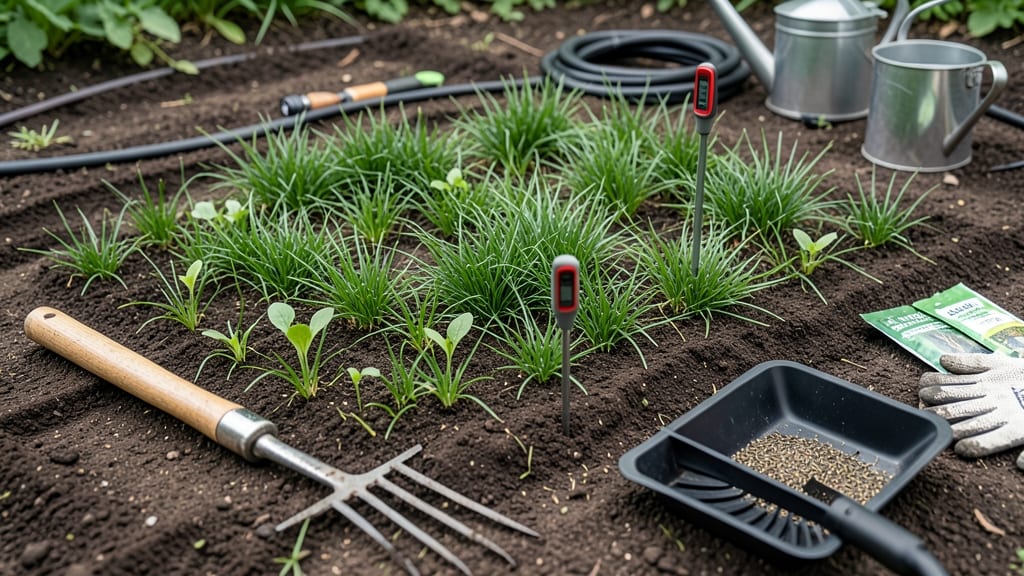
Planting grass seed in Michigan’s spring means waiting for soil temperatures to hit 42-55°F—not just the calendar date—so your lawn gets a strong start before summer’s heat.
Michigan’s unpredictable spring weather can turn a perfect lawn into a muddy mess if you plant grass seed too early—or miss the window entirely. Timing is everything, and soil temperature (not just calendar dates) determines success.
In USDA Zones 5b-6b, that means aiming for early April to mid-May, but checking for consistent warmth is the key. Too soon, and seeds rot; too late, and weeds take over.
Below, I break down the exact soil temp deadlines by Michigan region, plus 5 foolproof signs your soil is ready—no thermometer required.
Michigan’s exact soil temperature deadlines for spring grass seed planting by Zone
Michigan’s spring planting window for grass seed hinges on soil temperature, not just calendar dates. Most grass varieties germinate best when soil reaches 42-55°F, but Michigan’s USDA Zones 4-6 create regional variations you can’t ignore.
Plant too early, and seeds rot in cold soil; too late, and summer weeds take over before your lawn establishes.
Northern Michigan (Zone 4) typically waits until late April to early May, while southern areas (Zone 6) can start as early as mid-April. The key is monitoring soil—not air—temperature, which can differ by 10°F or more on chilly mornings.
Use a soil thermometer (or the back of your hand—if it feels cool but not freezing, it’s likely ready).
Average last frost dates in Michigan range from April 15 (south) to May 10 (north), but frost isn’t the only threat. Cold soil after a late frost can still stunt germination. Aim to plant 4-6 weeks before your area’s last frost date to give seeds time to establish roots before summer heat arrives.
Here’s your zone-by-zone breakdown of ideal planting windows, including soil temp targets and regional adjustments for Michigan’s microclimates:
| Zone | Ideal Soil Temp | Planting Window | Last Frost Date | Regional Notes |
|---|---|---|---|---|
| 4 (Upper Peninsula, Traverse City) | 45-55°F | Late April–Early May | May 5–10 | Wait for consistent 50°F+ days; cooler lakes delay warming. |
| 5 (Grand Rapids, Lansing) | 42-52°F | Mid-April–Late April | April 15–25 | Urban areas warm faster; rural spots lag 3–5 days. |
| 6 (Detroit, Toledo) | 40-50°F | Early April–Mid-April | April 1–15 | Southern Michigan can plant 2 weeks earlier if soil stays above 40°F. |
For cool-season grasses like Kentucky bluegrass or tall fescue (Michigan’s top choices), the sweet spot is 45–55°F soil. If you’re planting warm-season grasses like zoysia (less common in Michigan but used in southern zones), wait until soil hits 60°F+—but these are better suited for late spring/early summer.
Pro tip: Test your soil’s readiness by digging a 6-inch hole and checking the temperature at 4-inch depth (where seeds will germinate). If it’s below 42°F, wait. Even if the air temperature feels spring-like, cold soil will delay germination by 2–3 weeks, giving weeds a head start.
Michigan’s northern zones often face late-spring frosts, so consider a lightweight frost blanket if planting in late April. In Zone 6, you can push the envelope to early April, but cover seeds with straw or peat moss to insulate them from unpredictable cold snaps.
Always choose slow-release seed for better cold tolerance.
Once seeds are in the ground, consistent moisture is critical. Water lightly but daily (about ¼ inch) to keep soil evenly moist—not soggy. Use a sprinkler with fine mist to avoid displacing seeds.
Within 2–3 weeks, you should see sprouts, but full coverage takes 6–8 weeks.
Miss the window? Don’t panic. Fall planting (early September) is your backup—just adjust for soil temps dropping below 55°F by late October. But for spring, soil temperature is your best friend. Trust it over the calendar, and your Michigan lawn will thank you with lush, even growth all season.
5 Critical signs your Michigan soil is ready for grass seed (before checking a thermometer)
Forget relying on a thermometer—Mother Nature gives you free, foolproof clues about when your Michigan soil is primed for grass seed. I’ve learned to watch for these 5 visual cues that signal the perfect planting window, even if the calendar says "too early" or "too late."
These signs work because they’re directly tied to soil warmth, moisture, and microbial activity—everything your grass seeds need to thrive.
First, pay attention to earthworm activity. When you see worms crawling on the surface after a light rain, your soil has warmed enough (typically 50-55°F) for seeds to germinate.
Worms also aerate the soil, creating ideal conditions for root growth. I always dig a small hole—if worms are visible within 6 inches, it’s time to plant.
🌱 Dandelions Are Blooming
Bright yellow dandelions popping up mean your soil has reached 55-60°F. These hardy weeds are nature’s way of telling you the ground is warm enough for grass seeds. I plant when at least 20% of my lawn’s dandelions are in full bloom.
🐿️ Squirrels Are Digging
Squirrels dig up acorns and bulbs when the soil is 50-58°F. If you spot them scratching at your lawn, your seeds will germinate within days. I’ve seen squirrels dig up freshly planted grass seed—so if they’re active, act fast!
💧 Paper Towel Test Passes
Grab a handful of soil and press it between a damp paper towel. If it holds shape but crumbles when touched, your soil has the right moisture-to-warmth ratio (typically 45-55°F). I do this test every morning for 3 days in a row before planting.
👆 Hand-Push Test Works
Push your hand 2 inches deep into the soil. If it goes in smoothly without resistance, your soil is warm and workable (ideal for seed-to-soil contact). Cold soil will feel firm or spring back—wait until it yields like butter.
🌿 Clover Is Greening Up
When white clover starts turning bright green and sending up new shoots, your soil is 52-58°F—perfect for grass seed. Clover is a cool-season legume that thrives at the same temps as most grass varieties, making it a reliable indicator.
Once you spot 3-4 of these signs, your soil is ready—no thermometer needed. I’ve used these cues for years in my Zone 5b garden in northern Michigan, and my grass always germinates within 7-10 days of planting.
The key is acting within 48 hours of these signs appearing, before the soil cools again.