
Plants
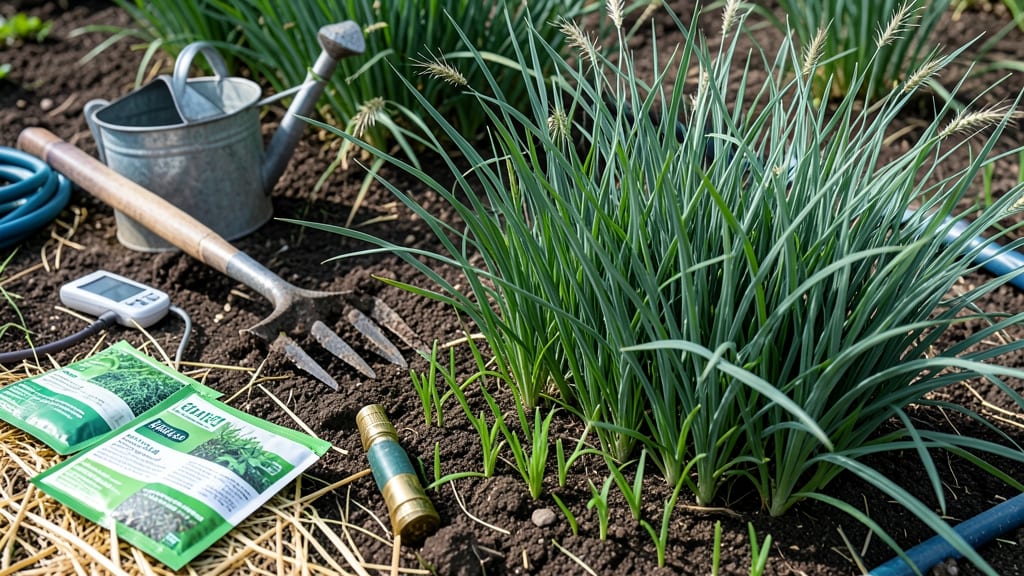
Planting grass seed in East Tennessee works best between March and April or August and September—when soil temps hit 50–65°F and the risk of frost has passed.
Timing is everything when planting grass seed in East Tennessee—get it wrong, and you’ll battle weeds, drought, or frost damage before your lawn even takes root. I’ve seen $200 worth of seed go to waste because of a late spring freeze or a dry summer stretch.
East Tennessee’s USDA zones 6b and 7a mean your best bet is early spring, right after the last frost date (usually around March 15), or early fall before the first frost hits in November. The key is avoiding the hot, dry summers that stress young grass.
Below, I’ll break down the exact windows for your zone, how to prep your soil for success, and the three grass types that thrive here—so you can finally get that lush lawn without the guesswork.
Best planting windows by East Tennessee USDA zones (6b-7a)
East Tennessee’s USDA Zones 6b and 7a (think Knoxville and Chattanooga) offer two prime windows for planting grass seed: early spring and early fall. These timings align with soil temperatures between 50–65°F, which is critical for germination.
Planting outside these windows risks frost damage, weed competition, or heat stress on young seedlings. Let’s break down the ideal frost-free windows for each zone.
For Zone 6b (e.g., Knoxville), your last frost date typically falls around March 15, while Zone 7a (e.g., Chattanooga) enjoys a slightly longer growing season, with frost arriving closer to November 15.
These dates create a 165-day frost-free period, giving you two clear opportunities to plant: March–April for spring and August–September for fall. Both windows provide consistent soil moisture and moderate temperatures, reducing stress on new grass.
Here’s the key difference: Spring planting lets you establish grass before summer heat sets in, while fall planting avoids summer pests and drought. However, fall planting must finish 6–8 weeks before the first frost to allow roots to strengthen.
In Zone 6b, that means late August is your cutoff, while Zone 7a can stretch into early October.
🌱 Pro Tip: Use a soil thermometer to confirm temps are in the 50–65°F range before planting. Cooler soils (below 50°F) slow germination, while warmer soils (>65°F) can dry out seeds too quickly. In East Tennessee, morning soil temps in March–April and August–September usually hit the sweet spot.
In Zone 6b, March–April is your best bet for spring planting, as soil temps warm up and frost risks drop. For Zone 7a, you have a slightly longer window in spring (starting as early as late February in microclimates like Signal Mountain).
However, avoid planting in May or June, as summer heat can cause seeds to dry out or attract pests like chinch bugs.
Fall planting in Zone 6b should wrap up by late August to allow 6–8 weeks of growth before frost.
Zone 7a gardeners can push it to early October, but monitor nighttime temperatures—if they dip below 50°F, germination slows dramatically. September is often the sweet spot for both zones, offering warm days and cool nights that mimic ideal growing conditions.
One common mistake? Planting too early in spring when soils are still cold and wet, leading to fungal diseases like pythium. Conversely, planting too late in fall risks frost damage before roots establish.
To avoid these pitfalls, aim for 4–6 weeks before the last frost in spring and 6–8 weeks before the first frost in fall. This gives grass enough time to develop a strong root system before extreme weather hits.
💧 Watering Tip: After planting, maintain 1–1.5 inches of water weekly (or daily if temps exceed 85°F). Use a rain gauge or tuna can to measure—most lawn
Soil temperature and moisture requirements for germination
Getting your soil temperature and moisture levels right is the secret to successful grass seed germination in East Tennessee. Most grass seeds need soil temps between 50–65°F to sprout consistently. If the soil is too cold or too hot, your seeds may rot or fail to germinate at all.
I’ve learned the hard way—planting too early in spring or too late in fall can leave your lawn vulnerable to weeds and drought.
To check your soil temperature, use a simple soil thermometer (available at garden centers for under $10). Stick it 1–2 inches deep in the soil and wait 30 seconds for an accurate reading.
Early spring and late fall are your best bets for ideal conditions. In East Tennessee’s USDA zones 6b–7a, this usually means planting in March–April or August–September.
⚠️ callout warning
- Planting in hot soil (>75°F) can cause seeds to dry out or overheat.
- Skipping soil moisture checks—dry soil prevents germination, while soggy soil causes rot.
- Ignoring frost risks—even late fall plantings can fail if an early frost hits.
Moisture is just as critical as temperature. Grass seeds need consistent moisture to germinate, which means keeping the top 1–2 inches of soil damp (not waterlogged). Aim for 1–1.5 inches of water per week, either from rainfall or irrigation.
I use a rain gauge or tuna can to measure—just place it in your lawn and fill it when it reaches 1 inch. Morning watering is best to reduce evaporation and fungal risks.
One of my biggest lessons? Summer heat stress is a silent killer for grass seeds. If you’re planting in late summer (like I did last year), water more frequently and consider a light shade cloth to protect seedlings from intense afternoon sun.
Evenings are the only safe time to water during peak summer months.
Don’t forget about early-fall frost risks—even in zone 7a, temperatures can drop unexpectedly in October. If frost is forecasted within 2 weeks of planting, delay until spring.
A simple frost-free date calculator (like the one from the National Weather Service) can save you headaches. I always check these dates before scheduling my fall planting.
Once your seeds sprout, reduce watering slightly but keep the soil moist. Overwatering at this stage can lead to fungal diseases like dollar spot or brown patch.
Within 4–6 weeks, your grass should establish enough to handle East Tennessee’s humidity and temperature swings. Patience is key—rushing the process often backfires!