
Propagation
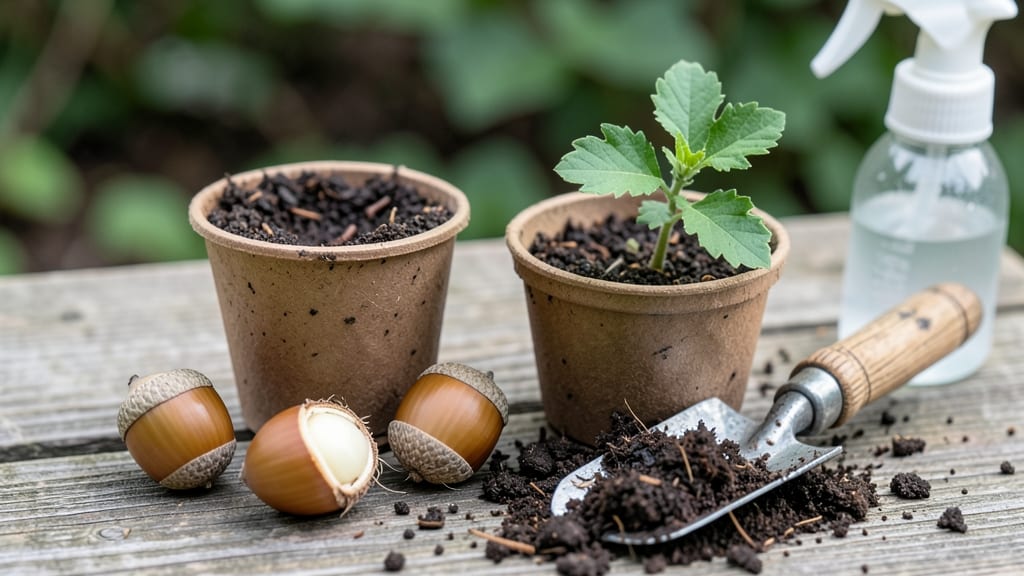
Oak tree seed germination takes moisture, chill, and patience—but the payoff is worth every week of waiting. 🌱 I’ve struggled with acorns sprouting too early or rotting before they break dormancy, but mastering these three factors turns that frustration into steady, strong seedlings ready for the forest floor. The secret starts with scarification: nicking the acorn’s hard shell with sandpaper or a knife mimics natural weathering. Then comes cold stratification—mixing seeds with damp sand in a sealed bag and refrigerating for 90-120 days tricks them into thinking winter’s passed. Without this step, most acorns will sit stubbornly dormant for years. Once planted in well-draining soil, keep the mix consistently damp (not soggy) under bright, indirect light. Germination can take 3-6 months, but when those first pale roots appear, you’ll know you’ve cracked the code. The real magic happens in the second year, when taproots dive deep for stability. This method works for red, white, or pin oak acorns—just adjust stratification time based on your climate. Patience is key: oak seedlings grow slowly, but with the right start, they’ll outlast anything in your yard.
📚 In This Guide
- What you need
- Instructions
- Tips and common mistakes
- Wrapping up and next steps
What you need
- ● Acorns: Fresh, mature acorns (preferably from white oak or red oak—avoid those with holes or mold). Gather 10-20 seeds for better success rates.
- ● Scarification tools: Sandpaper (medium-grit, 80-100 grit) or
- ● A sharp knife or file to nick the seed coat slightly.
- ● Well-draining potting mix: A blend of 50% peat moss or coco coir, 30% perlite or vermiculite, and 20% sand (sterilized). Use 1-2 gallons per batch.
- ● Planting containers: Small pots (3-4 inches deep) or
- ● A seed tray with drainage holes.
- ● Plastic wrap or humidity dome: To maintain moisture during germination.
- ● Spray bottle: For gentle watering (avoid over-saturating the mix).
- ● Refrigerator or cold stratification setup: A zip-top bag with a damp paper towel to chill seeds for 60-90 days.
- ● pH testing kit: Ensure your soil is slightly acidic (pH 6.0-7.0) for optimal growth.
- ○ Heat mat (optional): Helps maintain consistent warmth (60-70°F) post-stratification.
- ● Grow lights: If natural light is limited, use a full-spectrum LED for 12-14 hours/day.
- ● Fungicide: A mild solution (like hydrogen peroxide 3%) to prevent mold.
- ● Journal or labels: Track germination dates, species, and care notes!
Step-by-Step guide to germinating oak tree seeds
Oak trees take years to mature, but the foundation starts with these essential steps—moisture, cold, and careful timing.
🌱 Step 1: Collect and Prepare the Acorns
Harvest mature acorns in late fall when they’ve fallen naturally from the tree. Look for plump, heavy acorns without cracks or holes—these hold the best germination potential. Store them in a cool, dry place until you’re ready to start the process. I like to soak them for 24 hours in lukewarm water to soften the outer shell and encourage faster germination.
After soaking, place the acorns in a container with damp sand or a paper towel. The key here is maintaining consistent moisture—not soggy, not dry. Wrap the container loosely in plastic wrap to retain humidity, but leave a small gap for airflow. This mimics the natural winter conditions oak seeds need to break dormancy.
💧 Step 2: Stratify for Cold Treatment
Oak seeds require a 3-4 month cold stratification period to simulate winter. Place the container of acorns in the refrigerator, where temperatures stay between 35-45°F. Check them monthly—if the sand or paper towel dries out, mist lightly with water. You’ll know stratification is working when tiny roots, called radicles, begin to emerge from the bottom of the acorns.
This cold treatment is critical—skipping it means waiting years for germination. I’ve tried rushing the process with heat, but without this chill period, most acorns simply won’t sprout. Patience here pays off with stronger, healthier seedlings later.
☀️ Step 3: Plant in Well-Draining Soil
Once the acorns have sprouted radicles (usually after 8-12 weeks in cold storage), it’s time to plant. Fill small pots with a mix of 50% potting soil and 50% perlite or coarse sand to ensure excellent drainage—oak seedlings hate soggy roots. Plant each acorn 1 inch deep, with the radicle side facing downward.
Water gently until the soil is moist but not waterlogged. Place the pots in a warm, bright spot with indirect light—direct sunlight can scorch young seedlings. Keep the soil consistently moist, but avoid overwatering, which can cause rot. You’ll see the first true leaves emerge in 4-8 weeks, signaling successful germination.
⏰ Step 4: Transplant and Monitor Growth
After the seedlings develop 3-4 sets of leaves and reach 4-6 inches tall, they’re ready for transplanting into larger containers or the ground. Choose a spot with full sun exposure and well-draining soil. Oak trees grow slowly, so give them space—plant them 10-15 feet apart if you’re installing multiple trees.
Water deeply once a week, allowing the top 2 inches of soil to dry out between waterings. Oak seedlings are tough once established, but they need protection from strong winds and extreme temperatures in their first few years. Mulch around the base to retain moisture and regulate soil temperature.
Tips & tricks for oak tree seed germination
Patience and precision turn acorns into mighty oaks—here's how to optimize every step for success.
Soaking Strategy: The 24-hour lukewarm water soak in Step 1 isn't just about softening shells—it's about breaking the seed's natural dormancy barrier. Use a container with just enough water to cover the acorns completely, and stir them gently every few hours to prevent mold. I've found that adding a pinch of cinnamon to the water can help prevent fungal growth without harming the seeds.
Cold Treatment Precision: During the 3-4 month cold stratification in Step 2, consistency is everything. Place your container on a refrigerator shelf where temperatures stay steady between 35-45°F—avoid the crisper drawer, which can get too cold. I mark my calendar to check moisture levels monthly, using a spray bottle to mist just until the sand or paper towel feels damp to the touch. This mimics natural winter conditions perfectly.
Planting Depth and Drainage: When planting in Step 3, remember that oak seedlings despise soggy roots. The 1-inch planting depth is ideal—any deeper risks suffocation, while shallower planting exposes the radicle. For the 50% potting soil/50% perlite mix, I recommend using a coarse perlite to prevent compaction. Add a small layer of gravel at the bottom of your pots to create additional drainage if your mix feels too dense.
Light Management: That indirect light requirement in Step 3 is critical during the 4-8 week germination phase. I place my seedlings near an east-facing window where they get morning sun but avoid harsh afternoon rays. If using grow lights, maintain them 6-12 inches above the seedlings and provide 12-14 hours of light daily. Too much direct light too soon will scorch those delicate young leaves.
Pro Tips for Oak Tree Seed Germination
- Patience and precision turn acorns into mighty oaks—here's how to optimize every step for success.
- Soaking Strategy: The 24-hour lukewarm water soak in Step 1 isn't just about softening shells—it's about breaking the...
- Cold Treatment Precision: During the 3-4 month cold stratification in Step 2, consistency is everything. Place your c...
Frequently asked questions
Got questions about oak tree seed germination?
You’re not alone! Here are answers to the most common queries—from timing to troubleshooting—to help you grow strong, healthy oak seedlings with confidence.
How long does it take for oak tree seeds to germinate?
Oak seeds are notorious for their long germination period—often 6 to 12 months (or even longer!). This is called dormancy, a natural pause that mimics winter conditions. Cold stratification (chilling) is key—don’t rush it! Patience pays off with robust roots.
Can I speed up oak seed germination?
While you can’t completely skip dormancy, you can optimize conditions:
- Cold stratification: Store seeds in a damp paper towel in the fridge (34–40°F) for 3–6 months.
- Warm stratification: Soak seeds in water for 24 hours, then place in a warm (70–80°F) spot for 2 weeks before chilling.
- Scarification: Lightly nick the seed coat with sandpaper to help water penetrate.
What’s the best soil mix for germinating oak seeds?
Oak seeds thrive in well-draining, slightly acidic soil (pH 5.0–6.5). Use a blend of:
- 60% peat moss or coconut coir (holds moisture)
- 30% perlite or sand (prevents rot)
- 10% compost (for nutrients)
Why aren’t my oak seeds sprouting? Troubleshooting tips
If your seeds refuse to germinate, check these common culprits:
- Insufficient chilling: Oak seeds need cold to break dormancy. Skip the fridge, and they’ll stay dormant.
- Poor moisture control: Too dry = no germination; too wet = rot. Aim for damp, not drenched soil.
- Old or low-quality seeds: Fresh acorns (harvested fall of the same year) germinate best.
- Pests or mold: If you see funky growth, repot with fresh, sterile soil.
Can I grow an oak tree from a store-bought acorn?
Yes! But freshness matters. Acorns from grocery stores or roadside trees are often old or treated (to prevent sprouting), so germination rates drop. For best results:
- Collect acorns directly from healthy oak trees in fall.
- Check for meaty, brown caps (not shriveled or insect-damaged).
- Avoid acorns from white oaks if you’re unsure—they’re harder to germinate.
Wrapping up and next steps
Growing an oak tree from seed is a rewarding journey that demands patience, precision, and a little bit of nature’s magic. 🌱 By mastering the balance of moisture, cold stratification, and consistent care, you’re not just planting a seed—you’re nurturing the foundation of a future giant.
Whether you’re a seasoned gardener or a curious beginner, every small step brings you closer to witnessing those first tender sprouts break through the soil.
Ready to take the next step? Start with just one acorn—your future oak’s adventure begins today! Track your progress, share your journey, and remember: the best forests start with a single seed.