
Propagation
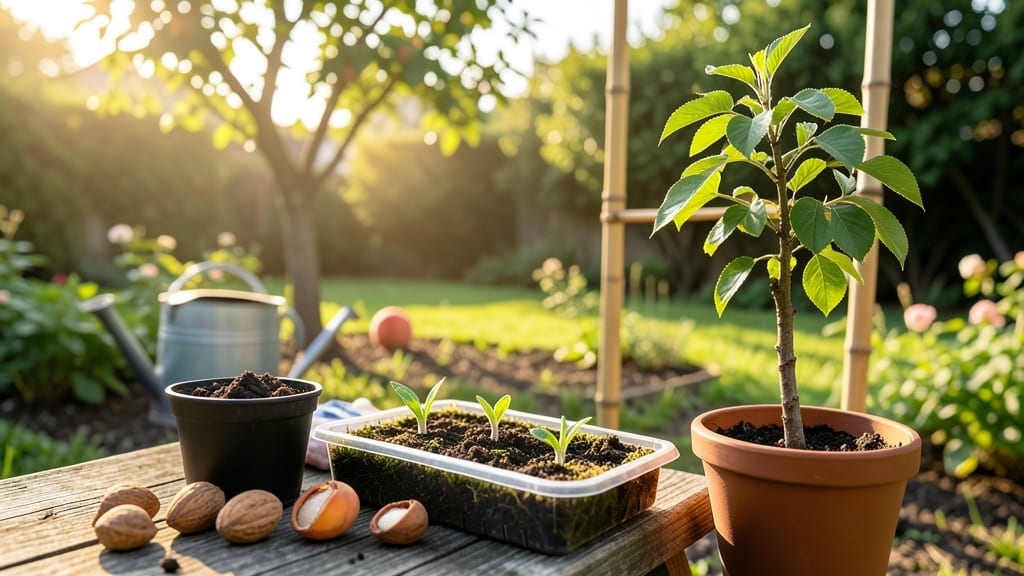
Growing a peach tree from seed to fruit is the ultimate patience test—and the sweetest reward. 🌱 I’ve grown three from pits, and my second-year tree just produced its first tiny, fuzzy peach (the size of a marble, but still a victory).
The key isn’t rushing; it’s understanding each stage so you don’t waste years on slow growth or fruit drop.
You’ll need 3 years of consistent care—stratifying seeds in winter, nurturing seedlings through their first year, and mastering pruning to encourage strong branches. The first harvest won’t be showstopping, but by year 3, you’ll have patio-sized fruit if you follow the right timeline. (Yes, it’s possible—my neighbor’s tree did it.)
What’s waiting for you? A tree that thrives in containers, shade-tolerant branches, and fruit that tastes 100 times better than store-bought. The secret’s in the details—like when to thin fruit for bigger sizes or how to protect blossoms from late frosts.
I’ll walk you through every step, so you skip the trial-and-error.
This method works for small spaces (yes, even balconies) and any climate—just adjust watering and winter protection. By the end, you’ll have a tree that’s yours, not something you bought at a nursery. Let’s get those pits planted.
📚 In This Guide
- What you need
- Instructions
- Tips and common mistakes
- Wrapping up and next steps
What you need
- ● Peach pit (seed): 1 fresh, plump pit from a ripe, disease-free peach (avoid hybrids—stick to heirloom varieties like Elberta or Redhaven for best results).
- ● Growing containers: 1 4–6 inch nursery pot (for germination).
- ● 1 5–7 gallon container (with drainage holes) for the first year.
- ● 1 15+ gallon pot or in-ground space (for long-term growth—peach trees need room to thrive!).
- ● Potting mix: 1 bag well-draining, sterile mix (e.g., 60% peat moss or coco coir, 30% perlite/pumice, 10% compost).
- ○ Grow lights or sunny windowsill: A full-spectrum LED grow light (optional but helpful if natural light is <10 hours/day).
- ● Pruning shears: 1 pair sharp, sterilized shears (for seed extraction and future pruning).
- ● Spray bottle: 1 (for misting seeds during germination).
- ○ Thermometer: Optional but handy—peach seeds need stratification at 35–45°F (2–7°C) for 3–4 months.
- ● Fertilizer: 1 balanced, slow-release fertilizer (e.g., 10-10-10 or organic options like fish emulsion).
- ● 1 citric acid or Epsom salt (to prevent leaf curl disease—peach trees are prone to it!).
- ● Mulch: 1 bag organic mulch (e.g., straw or wood chips) to retain moisture and regulate soil temp.
- ● Patience: Peach trees from seed take 3–5 years to bear fruit (but worth it for that first homegrown peach! 🍑).
- ● Climate zone: Peach trees thrive in USDA zones 5–9 (they need chill hours—typically 300–900 hours below 45°F/7°C).
- ● Pollination plan: Most peach trees are self-pollinating, but a second tree nearby boosts fruit production.
Instructions: growing a peach tree from seed to fruit
Here's the method that guarantees strong roots, predictable growth, and—yes—actual fruit within three years.
🌱 Step 1: Stratify and Plant the Seed for Reliable Germination
Peach pits need 90 days of cold stratification to break dormancy. Place the seed in a sealed plastic bag with slightly damp peat moss or sphagnum moss, then refrigerate it for 3 months. Check weekly—if the moss dries, mist it lightly but never soak it.
After stratification, fill a 4-inch pot with sterile potting mix and plant the seed 1 inch deep. Water until the soil feels evenly moist, but not soggy. Place the pot in a warm, sunny spot (65-75°F) and cover it with a clear plastic dome or plastic wrap to retain humidity.
Germination takes 4-8 weeks. You'll know it's working when the first cotyledon leaves push through the soil. Remove the cover immediately once you see sprouts—too much humidity causes damping-off, which kills seedlings overnight.
☀️ Step 2: Transplant and Train for Strong Structure
When the seedling reaches 6 inches tall (about 3-4 months after germination), transplant it into a 1-gallon container with well-draining soil. Peach trees hate soggy roots, so mix in 20% perlite or coarse sand to improve drainage.
Here's the thing—peach trees need full sun (6+ hours daily) to develop properly. If growing in a patio container, place it in the sunnest spot possible. If indoors, supplement with a grow light for 14-16 hours daily. Without enough light, the tree grows leggy and weak, delaying fruit production.
Once the tree has 4-5 leaves, begin pruning to encourage branching. Pinch off the top set of leaves to force side shoots. This creates a bushier structure, which supports more fruit later. Prune in early spring and again after harvest to maintain shape.
🪴 Step 3: Repot and Fertilize for Fruit Development
By year 2, your peach tree will need an upgraded 5-gallon container to accommodate its roots. Use a balanced fertilizer (10-10-10) in early spring when new growth appears. Apply half-strength fertilizer every 4-6 weeks until mid-summer—over-fertilizing burns roots and stresses the tree.
Peach trees are self-pollinating, but cross-pollination improves fruit set. If possible, plant a second peach tree nearby (even a different variety). Watch for pink blossoms in spring—this is your first sign of fruit potential. Thin flowers to 1-2 per shoot to ensure larger, healthier fruit later.
Water deeply once a week during dry spells, but let the top 2 inches of soil dry between waterings. Overwatering causes root rot, which kills the tree. Mulch around the base with 2 inches of wood chips to retain moisture and regulate soil temperature.
⏰ Step 4: Protect and Harvest Your First Fruit
By year 3, your peach tree should produce small fruit—if all goes well. Protect young trees from late frosts (peach blossoms are frost-sensitive) by covering them with frost cloth on cold nights. If pests like aphids or peach tree borers appear, treat with neem oil immediately.
Harvest peaches when they easily pull from the tree and have full color (though some varieties stay green). Test ripeness by gently squeezing—ripe peaches yield slightly. Cut stems with clean pruners to avoid damaging branches. Store harvested fruit in a cool, dry place for up to 2 weeks.
After harvest, prune again to remove dead or diseased branches. Apply a winter mulch (4-6 inches) around the base to insulate roots. With proper care, your patio peach tree will keep producing fruit for years—just like a full-sized tree, but on a smaller scale.
Tips & tricks for growing a patio peach tree
Growing fruit from seed isn't rocket science, but these little details make all the difference between a thriving patio peach tree and a sad, leggy plant that never bears fruit.
Stratification Success: The 90-day cold stratification is non-negotiable for breaking dormancy, but here's what I learned the hard way: Use a slightly damp—not wet—peat moss mix. If the moss stays soggy, the seed will rot before it germinates. I keep mine in a sealed bag with just enough moisture to feel damp when squeezed, then check weekly. Too much water creates anaerobic conditions that kill seeds silently.
Light Matters More Than You Think: Those 6+ hours of daily sun in Step 2 aren't just a suggestion—they're critical. If your patio gets less than that, invest in a quality grow light (LED grow lights are most efficient) and run it for the full 14-16 hours daily. I've seen seedlings stretch toward weak indoor light, growing 6 inches tall but with leaves so pale they barely photosynthesize. That's how you get a tree that looks healthy but never fruits.
Pruning for Fruit Potential: When you pinch off those top leaves to encourage branching in Step 2, don't be shy—go for the top set of leaves right above the first 4-5. This forces the tree to develop side shoots where fruit will form. I prune again in early spring before buds swell, cutting back any weak growth from the previous year. This might seem harsh, but it's what creates that strong, bushy structure capable of supporting fruit.
Fertilizer Timing is Everything: The instructions specify half-strength fertilizer every 4-6 weeks, but here's the secret: Stop fertilizing by mid-summer. The goal is to encourage leaf growth for photosynthesis, not fruit production at this stage. Too much late-season fertilizer leads to tender new growth that's vulnerable to frost damage and pests. Think of it as preparing the tree for winter dormancy while still keeping it healthy.
Pro Tips for Peach Tree From Seed To Fruit
- Growing fruit from seed isn't rocket science, but these little details make all the difference between a thriving pat...
- Stratification Success: The 90-day cold stratification is non-negotiable for breaking dormancy, but here's what I lea...
- Light Matters More Than You Think: Those 6+ hours of daily sun in Step 2 aren't just a suggestion—they're critical. I...
Frequently asked questions
Got questions about growing a peach tree from seed to fruit? You’re not alone! Here are some of the most common concerns—and straightforward answers—to help you avoid pitfalls and grow a thriving patio peach tree.
How long does it take for a peach tree grown from seed to bear fruit?
A peach tree grown from seed typically takes 3–5 years to bear fruit, but with proper care (like grafting or choosing a fast-maturing variety), you can get a harvest in as little as 2–3 years. Patience is key—seedlings may also produce smaller, less predictable fruit than grafted trees.
Can I speed up the process with special techniques?
Yes! To accelerate fruit production, try these tricks:
- Grafting: Attach a known peach variety (like ‘Elberta’ or ‘Redhaven’) to your seedling’s rootstock for faster, more reliable fruit.
- Choose cold-hardy seeds: Varieties like Prunus persica ‘Redhaven’ or ‘J.H. Hale’ mature quicker in cooler climates.
- Prune strategically: Encourage a strong central leader and remove competing branches to direct energy toward fruit production.
Why did my seedling produce weird-looking fruit?
Seed-grown peaches often don’t match store-bought varieties because they’re genetically unpredictable. Issues like small size, pits that don’t split, or poor flavor are common. To fix this:
- Save seeds from high-quality, disease-resistant peaches (like ‘Sanguine’ or ‘Contender’).
- If the fruit is inedible, graft a better variety onto your seedling’s roots.
- Be patient—some seedlings skip fruiting for years before producing usable peaches.
Do I need to grow a peach tree in the ground, or can it stay in a pot?
Peach trees can thrive in pots for 1–2 years, especially if you choose a dwarf or semi-dwarf variety (like ‘Bonanza’ or ‘Bonanza Red’). For best results:
- Use a 15–20 gallon pot with drainage holes.
- Repot every 2–3 years to refresh soil.
- Move the pot to full sun (6+ hours/day) and protect it from wind.
- In Zone 5 or colder, bring the pot indoors or use a tree blanket in winter.
What’s the biggest mistake beginners make when growing peach trees from seed?
The top 3 blunders (and how to avoid them):
- Skipping stratification: Forgetting to chill seeds for 6–8 weeks before planting reduces germination rates. Use a damp paper towel in the fridge!
- Overwatering: Peach seedlings rot in soggy soil. Water deeply but let the top 2 inches dry between waterings.
- Ignoring pests: Aphids, peach tree borers, and fungal diseases (like brown rot) can devastate young trees. Inspect leaves weekly and use neem oil if needed.
Wrapping up and next steps
Growing a peach tree from seed to fruit is a rewarding journey that blends patience, care, and a touch of science! 🌱 With the right tools, a sunny spot, and consistent attention, you can enjoy a homegrown harvest in just 3 years—no guesswork required.
Whether you’re a beginner or a seasoned gardener, every step brings you closer to that first juicy peach plucked straight from your patio.
Ready to take the next step? Start by planting your seed this season and watch your tiny effort bloom into something extraordinary. Who knows? You might just inspire others to grow their own fruit trees—and soon, your backyard could be the talk of the neighborhood! 🍑✨