
Lawn
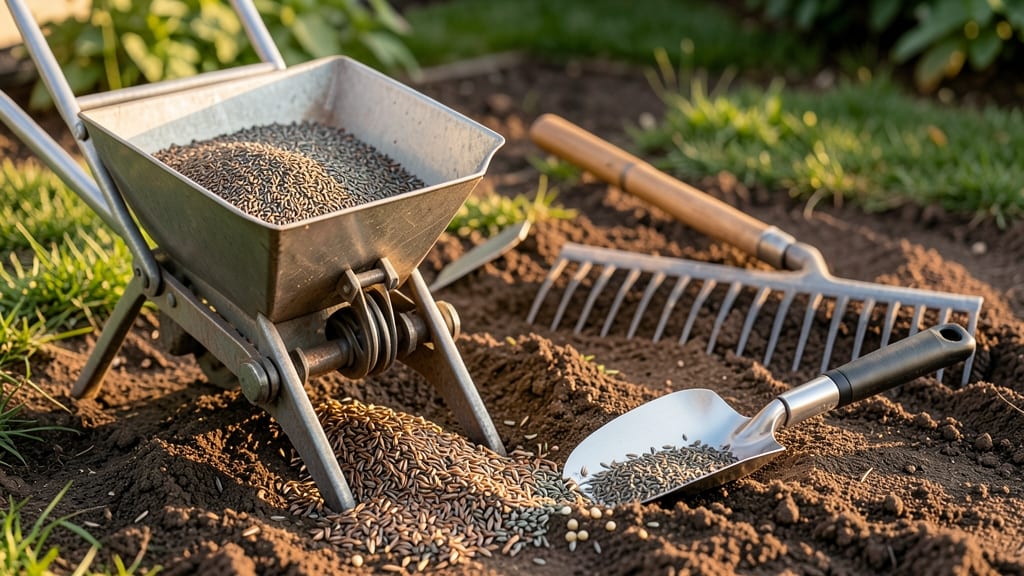
September is the frost-free window for planting grass seed that actually takes root before winter sets in—no more watching seedlings freeze overnight. 🌱 I learned this the hard way after my spring planting got wiped out by a late frost, leaving bare patches until summer.
The key is timing: cool soil and warm air give seeds the perfect head start, and weeds haven’t exploded yet like they do in spring.
You’ll need a rake, a lawn roller, and about 10-15 pounds of seed per 1,000 square feet (depending on your grass type). Clear debris first, loosen the soil, and spread seed evenly—don’t bury it too deep.
Water lightly every day for the first 2-3 weeks to keep soil moist but not soggy. Most cool-season grasses like Kentucky bluegrass and fescue germinate in 7-21 days under these conditions.
By late fall, you’ll have a thick, weed-resistant lawn that outcompetes spring plantings by a mile. The grass establishes deeper roots before winter, so it bounces back faster in spring.
Plus, fewer weeds mean less work pulling them later. This method works best in Zones 3-7, but even warmer climates can plant in early fall for winter-over success.
If you’re in a drought-prone area, water deeper less often to encourage deep roots. And skip this if frost is forecast within 2-3 weeks—seeds need time to sprout.
For spring plantings, the window closes fast, but September gives you a full 6-8 weeks of growing time before winter slows things down.
📚 In This Guide
- What you need
- Instructions
- Tips and common mistakes
- Wrapping up and next steps
What you need
- ● Grass seed: Choose a cool-season variety (e.g., Kentucky bluegrass, tall fescue, or perennial ryegrass) for September planting. Use 5–8 lbs per 1,000 sq ft, depending on your lawn’s current condition.
- ● Lawn mower (or string trimmer): Set the blade to 1–2 inches high to avoid damaging new seedlings.
- ● Rake (bow or dethatching rake): A heavy-duty metal rake for removing debris and a garden rake for leveling soil.
- ● Soil tester kit: Check pH (ideal: 6.0–7.0) and amend if needed.
- ○ Compost or topsoil: ¼–½ inch layer to improve soil quality (optional but recommended for bare spots).
- ● Lawn fertilizer: A starter fertilizer (high in phosphorus, e.g., 5-10-10 ratio) to boost root growth.
- ● Watering system: A sprinkler or hose with a gentle spray nozzle for consistent moisture.
- ● Straw or peat moss: Lightly cover seeds with ¼ inch to protect them from birds and wind.
- ● Pre-emergent herbicide: Apply 4–6 weeks after seeding to prevent weeds (check label for seed-safe timing).
- ● Lawn roller: Lightly press seed into soil for better contact (use sparingly!).
- ● Soil conditioner: Products like gypsum or humic acid to improve drainage.
- ● Seed spreader: For large areas, a broadcast or drop spreader ensures even coverage.
Step-by-Step instructions for planting grass seed in September
September’s ideal temperatures and reduced weed competition create the perfect window for establishing a lush, resilient lawn.
🌱 Step 1: Prepare the Soil for Optimal Seed Contact
Start by mowing your existing grass as short as possible—no taller than ½ inch—to create a clean canvas for new seed. This prevents shading and allows better seed-to-soil contact. Use a rake to remove any debris, then loosen the top ¼ inch of soil with a stiff-bristled rake or a dethatching tool if needed. The goal is to create a fine, crumbly surface that won’t smother emerging seedlings.
Test the soil’s moisture by grabbing a handful—it should hold together when squeezed but not feel soggy. If it’s dry, water lightly until the top ½ inch feels damp. September’s cooler air means evaporation slows, so you’ll need less frequent watering than in summer. Avoid compacting the soil further; walk around the area instead of stepping directly on it to prevent creating depressions where seeds might settle unevenly.
💧 Step 2: Spread Seed Evenly for Uniform Germination
Divide your grass seed into four equal portions—this ensures even coverage without overlapping. Start by spreading one portion along the length of the lawn, then walk perpendicularly to distribute the second portion. Repeat this crosshatching method for the remaining two portions. For large areas, use a broadcast spreader set to the recommended rate for your seed type. This method prevents clumping and guarantees consistent germination.
Lightly rake the area again with a leaf rake to press seeds into the soil without burying them. Most grass seeds need only ¼ inch of soil coverage to germinate properly. If you’re overseeding an existing lawn, avoid raking too aggressively—you want to disturb the turf just enough to expose soil for seed contact without tearing up established roots. A gentle pass with the rake suffices.
☀️ Step 3: Water Strategically to Encourage Germination
Water the seeded area immediately after planting, applying ¼ inch of water to moisten the soil evenly. Use a sprinkler with a fine mist setting to avoid dislodging seeds. For the next 10-14 days, keep the soil consistently moist—never soggy. Water lightly twice daily, once in the morning and once in the late afternoon, to simulate natural rainfall. This frequent, shallow watering prevents seeds from drying out while they germinate.
You’ll notice the first signs of germination in 7-21 days, depending on the grass type and weather. Tall fescue and Kentucky bluegrass often sprout within 10-14 days under ideal conditions. Reduce watering frequency once seedlings reach 2 inches in height, gradually transitioning to 1 inch of water per week. Overwatering now can suffocate young roots, while underwatering stresses them before they establish.
✂️ Step 4: Maintain and Protect New Growth
Once the new grass reaches 3-4 inches in height, mow it to 2-3 inches using a sharp mower blade. This encourages root development and prevents the grass from becoming too leggy. Avoid mowing when the grass is wet—damp conditions can clump the clippings and smother the lawn. September’s cooler temperatures mean you can mow less frequently than in summer, but consistency is key to avoiding uneven growth.
Keep the area weed-free by hand-pulling any emerging weeds before they compete with the grass. September’s cooler weather slows weed growth, but don’t let a few weeds take root. If necessary, apply a pre-emergent herbicide 4-6 weeks after seeding to prevent crabgrass and other annual weeds from sprouting next spring. Avoid fertilizing until the grass has been mowed 3-4 times—this ensures the roots are strong enough to handle nutrients.
🌿 Step 5: Transition to Winter Care
As temperatures drop below 50°F at night, reduce watering to ½ inch per week unless rainfall provides sufficient moisture. Grass growth slows in cooler weather, so less frequent watering prevents fungal diseases like brown patch. Continue mowing until the grass stops growing, typically by late fall. Leave the clippings on the lawn—they decompose quickly and return nutrients to the soil.
In late fall, apply a winterizer fertilizer with a higher potassium content to strengthen root systems and improve cold hardiness. This step prepares your lawn to handle winter stress and bounce back vigorously in spring. Rake up any remaining leaves to prevent smothering, and consider aerating again in early spring if the soil feels compacted. September’s early planting gives your lawn a head start, ensuring a thicker, healthier turf by next summer.
Tips & tricks for perfect fall lawn establishment
September’s cooler temperatures and reduced weed pressure create the ideal conditions for a resilient lawn—but only if you nail these key details.
Soil Prep Precision: In Step 1, when loosening the top ¼ inch of soil, focus on creating a fine, crumbly texture rather than turning it into dust. I use a stiff-bristled rake for this because it mimics the aeration effect without compacting the soil further. Walk around the area instead of stepping directly on it—every extra footstep can create depressions where seeds might settle unevenly. This subtle difference between "raking" and "walking on" makes a huge impact on seed-to-soil contact.
Seed Distribution Strategy: The four-portion crosshatching method in Step 2 works wonders, but here's what nobody tells you—use a piece of cardboard or a small board as a straightedge when spreading. This prevents the natural tendency to pile seed in one direction. For large areas, consider renting a broadcast spreader set to the manufacturer's recommended rate for your seed type. The key is consistency: uneven coverage leads to patchy germination, and that's the last thing you want in September's competitive growing window.
Watering Timing Secret: Those twice-daily waterings in Step 3 are critical, but timing matters just as much as quantity. Water in the early morning (6-8 AM) so the grass has all day to dry, and again in the late afternoon (4-6 PM) to replenish moisture lost during the day. I set a phone reminder because it's easy to forget, and missed waterings during the critical 10-14 day germination window can kill your new lawn before it starts. A simple rain gauge helps track your ¼ inch measurements—your sprinkler system might be over- or under-estimating.
Weed Prevention Insight: The instructions mention applying pre-emergent herbicide 4-6 weeks after seeding, but here's the real secret: time your application based on soil temperature, not just calendar weeks. When soil temperatures consistently reach 55°F at 4 inches deep (usually mid-to-late September in most climates), that's when crabgrass and other weeds start germinating. A soil thermometer is worth the investment—it tells you exactly when to apply that herbicide for maximum effectiveness without harming your tender new grass.
Pro Tips for Planting Grass Seed In September
- September’s cooler temperatures and reduced weed pressure create the ideal conditions for a resilient lawn—but only if you nail these key details.
- Soil Prep Precision: In Step 1, when loosening the top ¼ inch of soil, focus on creating a fine, crumbly texture rather than turning it into dust.
- Seed Distribution Strategy: The four-portion crosshatching method in Step 2 works wonders, but here's what nobody tells you—use a piece of cardboard or a small board as a straightedge when spreading.
Frequently asked questions
Got questions about planting grass seed in September?
You’re not alone—this is a popular time for lawn upgrades! Below, we’ve tackled the most common concerns to help you get started with confidence.
Can I plant grass seed in September if I missed August?
September is actually one of the best months to plant grass seed in many regions. Cooler temps and increased rainfall (compared to summer) create ideal conditions for germination. Just aim to plant at least 4–6 weeks before your first frost for the best results.
How long does it take for grass seed to grow in September?
Germination time varies by grass type, but most cool-season grasses (like fescue or ryegrass) sprout in 7–21 days in September’s mild weather. Warm-season grasses (like Bermuda) may take longer—up to 30 days. Keep soil moist (but not soggy) to speed up growth!
What if my lawn has weeds? Should I kill them first?
Yes! Weeds compete for nutrients, so pre-treat with a non-selective herbicide (like glyphosate) 1–2 weeks before planting. For organic options, hand-pull weeds or use corn gluten meal (a natural pre-emergent). Avoid seeding right after herbicide—wait until new growth appears.
Do I need to fertilize before or after planting?
Start with a starter fertilizer (high in phosphorus) right before planting to boost root development. Avoid heavy nitrogen fertilizers until after germination. Once your grass is 2–3 inches tall, switch to a balanced lawn fertilizer (like 10-10-10) for steady growth.
What if September rains wash away my seed?
Don’t worry—light rain actually helps! For heavy downpours, use a straw mulch or erosion control blanket to hold seed in place. Water gently afterward to settle soil. If rains delay planting, wait for a dry spell (but act fast—September’s window is short!).
Can I overseed an existing lawn in September?
Perfect timing! Overseeding in September fills thin spots and strengthens weak lawns. Mow your lawn short (1–1.5 inches), rake to loosen soil, spread seed, and water lightly. This works for both new lawns and existing grass—just adjust seeding rates (use half for overseeding).
Wrapping up and next steps
September is the perfect time to sow grass seed for a lush, resilient lawn—cool temps and fewer weeds set your new turf up for success! 🌱 By following the right prep, seed selection, and care steps, you’ll soon enjoy a thick, vibrant lawn that stands up to foot traffic and seasonal challenges.
Ready to take the next step? Grab your tools, mark your calendar for follow-up watering, and watch your lawn transform! Happy planting—your future self (and your lawn) will thank you.