
Propagation
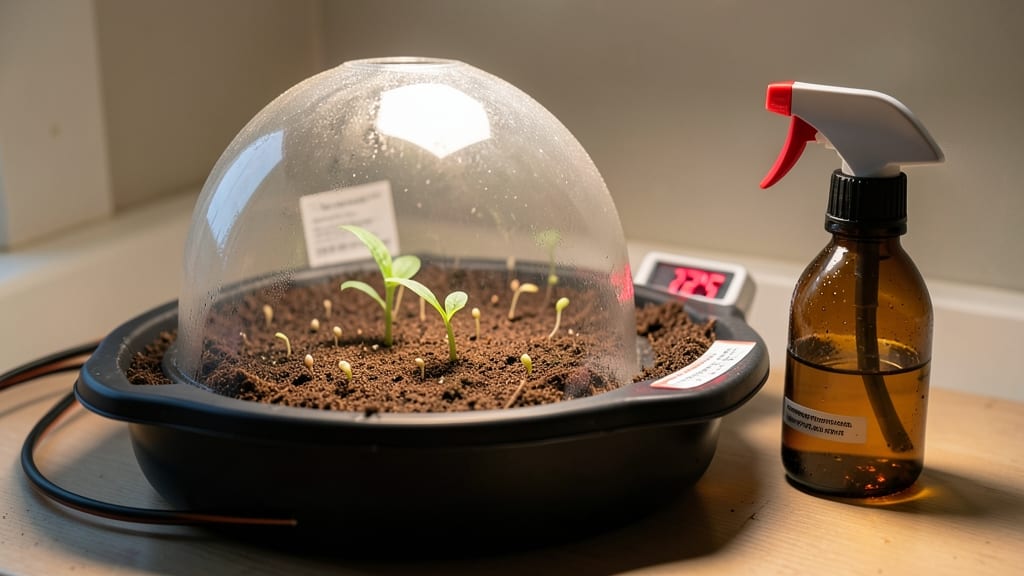
Getting seed germination temps right is the difference between a thriving seedling tray and a sad pile of unsprouted seeds.
Struggling with seeds that refuse to sprout? The secret might be hiding in your thermostat—temperature plays a far bigger role in germination success than most gardeners realize. Even a 10°F swing can turn a promising batch into a bust.
Cool-season crops like lettuce and peas thrive at 50–75°F, while tomatoes and peppers demand 75–95°F to break dormancy. Without the right heat, enzymes inside the seed stall, leaving you staring at dry paper instead of tiny green shoots.
Below, I’ll break down the exact ranges for 30+ common seeds, how to tweak your setup for faster sprouting, and the warning signs when temps go wrong—so you can finally get those seeds to cooperate.
Optimal seed germination temperature ranges by plant type
Temperature is the hidden hero of seed germination—sometimes the difference between a thriving seedling and a failed attempt comes down to just a few degrees. Most seeds won’t sprout at all if the soil temperature strays too far from their ideal range, and even a 5°F variation can slow germination by weeks.
Understanding these ranges helps you time your plantings perfectly and avoid common pitfalls like rotting seeds or leggy seedlings.
Scientifically, seeds require warmth to activate enzymes that break down stored nutrients, a process called hydrolysis. Different plant families evolved in distinct climates, which is why cool-season crops thrive in chilly conditions while tropical plants need near-sauna-like heat.
Let’s break down the exact ranges you need to know for each category, plus how to measure soil temperature accurately.
Pro Tip: Always check your seed packet—many varieties list their ideal germination temperature range. If it’s not there, assume 70°F is neutral and adjust based on the plant type below.
Cool-season crops like lettuce and spinach actually prefer cooler temperatures because they undergo a process called vernalization, where exposure to cold triggers flowering. Plant these in early spring or late summer when soil temps hover around 55–65°F.
If you start them indoors too early, they’ll bolt (go to seed) prematurely.
Warm-season crops, on the other hand, won’t germinate below 60°F for most varieties. Tomatoes and peppers need consistent warmth—if your soil dips below 70°F, germination slows dramatically. Use a heat mat if your home stays chilly, especially in basements or garages.
Tropical plants like ginger or pineapple seeds demand near-tropical conditions. If your home doesn’t naturally hit 85°F, consider a DIY greenhouse with a clear plastic dome or a seedling heat mat.
These plants also benefit from high humidity, so mist the soil lightly daily to mimic their native environment.
Measuring soil temperature accurately is key. Use a soil thermometer (not an air thermometer)—insert it 1 inch deep in moist soil for the most accurate reading. Morning is the best time to check, as afternoon sun can skew results.
If your soil runs 10°F above or below the ideal range, adjust your planting timing or use a controlled environment.
For example, if you’re sowing beans in May but your soil is only 60°F, wait a week or two until temps rise to 75°F.
Conversely, if you’re planting broccoli in September and your soil is 80°F, it’s better to start seeds indoors in cooler conditions and transplant later.
One common mistake is assuming all seeds need the same warmth. Peppers and tomatoes can take 10–14 days to germinate at 75°F, but radishes sprout in just 3–5 days at 60°F. Matching the temperature to the seed’s needs saves time and frustration.
Remember, consistency matters more than spikes. A sudden drop to 40°F can kill seeds mid-germination, while a brief dip to 70°F for a warm-season crop might just slow things down. Monitor your setup closely, especially if you’re using grow lights or heat sources that can create hot spots.
How to control germination temperatures for maximum success
Getting your seeds to sprout consistently can feel like solving a puzzle—especially when your home or garden temperatures don’t quite match what your plants need. The good news? You don’t need expensive equipment to create the perfect environment.
With a few simple tools and techniques, you can maintain ideal germination temperatures without breaking the bank. I’ve tested these methods with everything from cool-loving lettuce to heat-seeking peppers, and they work like magic.
Most seeds need a specific temperature range to break dormancy and sprout. If your soil is too cold, seeds may rot; if it’s too hot, they can dry out before germinating. The key is creating a stable, consistent environment—whether you're starting seeds indoors or outdoors.
Below, I’ll share my top strategies for controlling germination temps, from budget-friendly hacks to low-tech setups that actually work.
🌱 5 Ways to Control Germination Temperatures
- Heat Mats: Plug-and-play warmth for indoor seed starting. Most run $15–$30 and keep soil at 70–85°F—perfect for warm-season crops.
- Seedling Trays with Lids: Traps heat and humidity. Place trays on a sunny windowsill or under grow lights for extra warmth.
- Bottom Watering: Keeps soil moist and warm by raising the tray’s water level. Ideal for cool-season seeds that need steady moisture.
- DIY Greenhouse: Use a plastic dome or clear plastic bottle over seedlings to create a microclimate. Place near a heat source (like a radiator) for extra warmth.
- Outdoor Row Covers: For spring or fall planting, use lightweight fabric to trap soil heat and protect young sprouts from cold snaps.
One of my favorite budget tricks is using a heat mat under seedling trays. These thin, electric mats plug into any outlet and maintain a steady temperature—no guesswork. For example, I use one to germinate tomato seeds, which need 75–85°F.
Without it, my sprouts would take twice as long (or fail entirely). Pair the mat with a clear plastic lid to trap humidity, and you’ve got a mini greenhouse effect.
If you’re starting seeds outdoors in early spring or late fall, soil warmth is everything. A simple way to boost it? Plant in a south-facing location where the ground absorbs sunlight all day.
For extra insurance, cover the soil with black plastic mulch a few days before planting—it raises soil temps by 5–10°F. I’ve seen this trick work wonders for peppers and eggplants, which refuse to germinate in cold soil.
For tropical plants like basil or cilantro, I swear by a DIY greenhouse setup. Grab a clear plastic bottle, cut the bottom off, and place it over seedlings like a cloche. The trapped heat and moisture mimic a greenhouse environment.
Place the setup on a heat mat or near a sunny window, and you’ll see sprouts in days instead of weeks. Just remember to remove the cloche once seedlings emerge to prevent mold.
Finally, don’t underestimate the power of observation. Check your soil temperature with a cheap thermometer (they’re under $10) to avoid guesswork. Most seeds need 60–85°F to germinate, but some, like carrots or parsley, prefer cooler temps (50–65°F).
Adjust your setup based on what you’re growing—your seeds will thank you with faster, healthier sprouts.