
Lawn
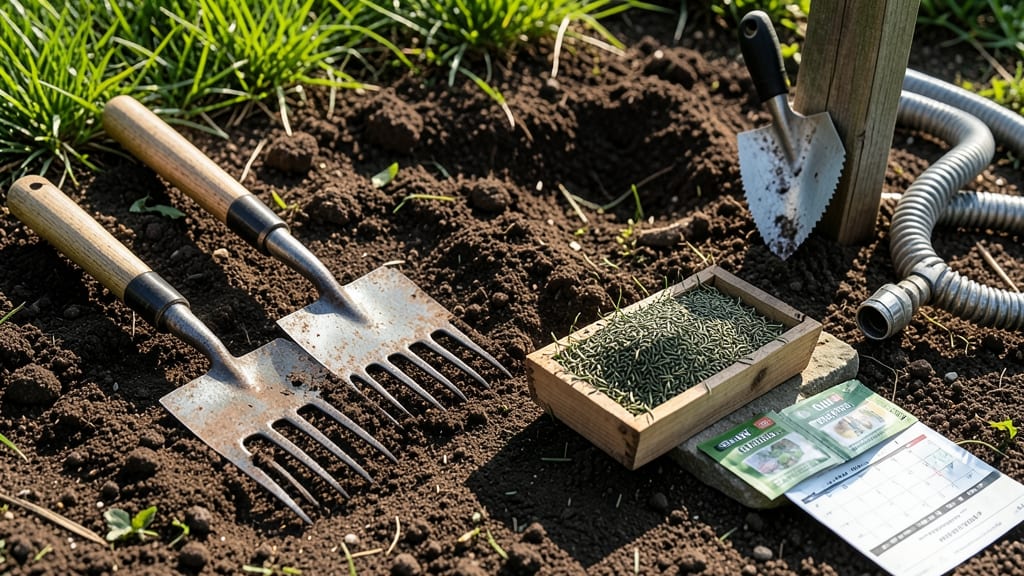
Planting grass seed in Ohio works best when soil temperatures hit 55–65°F—typically mid-April for spring or early September for fall.
Ohio’s spring weather can turn your grass-seeding plans into a gamble: too early, and frost zaps your seedlings; too late, and summer drought leaves bare spots.
We’ve planted lawns in Zone 6a for years, and the difference between a lush carpet and a patchy mess often comes down to timing.
Cool-season grasses like Kentucky bluegrass and tall fescue thrive when planted 4–6 weeks before the first frost, while warm-season types need summer heat to establish.
Below, I’ll break down the exact windows for Ohio’s zones, how to check soil temps, and the one trick that saves new lawns from summer stress.
You’ll leave here knowing not just when to plant, but how to set your grass up for a thick, drought-resistant lawn that lasts through Ohio’s harshest seasons.
Ohio grass planting calendar: exact dates by hardiness Zone (5-7)
Ohio’s hardiness zones 5a-7b create a 30-day window difference between northern and southern regions for planting grass seed.
Cool-season grasses like Kentucky bluegrass and tall fescue thrive when soil temps hit 55-65°F, while warm-season types like Bermuda need 65-75°F—here’s your zone-by-zone planting schedule to avoid frost damage or summer drought stress.
Most Ohioans plant in early spring (March-April) or early fall (September-October), but your exact dates depend on whether you’re in Zone 5a (coldest) or Zone 7b (mildest).
Below, I’ve mapped out the frost-free windows and soil temperature triggers for each zone, plus how to adjust if your spring arrives early or late.
Pro Tip: Use a soil thermometer (2 inches deep) to confirm temps—planting too early risks frost kill, while waiting too long invites weeds. Aim for 4-6 weeks before first frost in fall or after last frost in spring.
For Zone 5a gardeners, late April is your last safe window for spring planting—any earlier risks frost damage to new seedlings. Meanwhile, Zone 7b can start as early as late February if soil temps cooperate.
I’ve seen Kentucky bluegrass sprout in Zone 6a by mid-March when using black plastic mulch to warm the soil faster.
If your spring arrives early (like in 2021 when Zone 6a saw 60°F soil by February 20), test soil temps
How to test soil temperature & microclimates for perfect grass growth
Testing your soil temperature is the single most important step before planting grass seed in Ohio. Cool-season grasses like Kentucky bluegrass and tall fescue need soil temps between 55–65°F to germinate properly.
A soil thermometer (just $10 at garden centers) takes the guesswork out of timing—no more watching the almanac and hoping for the best.
Ohio’s Zone 5–7 regions experience dramatic temperature swings. In northern Ohio, soil may still be 40°F in early April, while southern Ohio could hit 60°F by mid-March.
Planting too early risks frost damage, while waiting too long means summer drought stress. I’ve seen new lawns fail both ways—here’s how to avoid those mistakes.
⚠️ Red-Flag Warning: Planting Too Early or Late
- Too Early: Soil temps < 50°F = seeds rot or freeze. Even a light frost after planting can kill seedlings before they sprout.
- Too Late: Waiting until July/August means summer drought stress. Grass needs consistent moisture for 4–6 weeks to establish roots.
- Microclimate Trap: South-facing slopes warm 10°F faster than shaded yards—test both areas separately!
Pro Tip: Use a minimum-maximum thermometer to track daily swings. If temps drop below 55°F at night, delay planting.
To test soil temperature, insert your thermometer 2 inches deep—this mimics where grass seeds will germinate. Take readings at 10 AM and 4 PM for 3 days to account for daily fluctuations.
In Ohio, aim for consistent 55–65°F readings before planting. If your soil runs cooler, wait 1–2 weeks or use a black plastic mulch to warm it faster.
Microclimates throw off timing big time. A south-facing slope might be ready in early April, while a shaded yard under mature trees could need to wait until May.
Walk your property at noon—hot spots (like driveways) warm up 5–10°F faster than grassy areas. Test these zones separately to avoid overplanting or underplanting sections.
For fall planting, monitor soil temps after Labor Day. Once they dip below 60°F, cool-season grasses will germinate faster than weeds. I’ve had success planting tall fescue in early September—it establishes roots before winter freeze and outcompetes crabgrass in spring.
Use a seed starter fertilizer (high phosphorus) to jumpstart growth in cooler soil.
If you’re in a hurry, overseeding in early spring (March) works for northern Ohio, but cover new seed with straw mulch to insulate it from late frosts. For southern Ohio, late August is your last chance before summer heat sets in.
Always water lightly twice daily until germination (7–14 days) to keep soil moist but not soggy.