
Planting
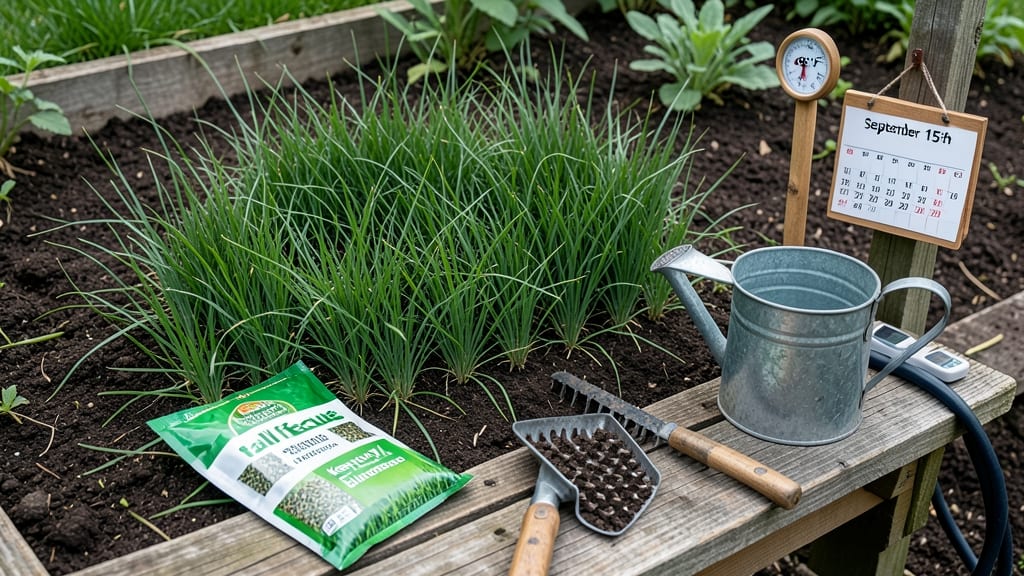
Planting grass seed in Kentucky too late can leave you with a patchy lawn or worse—wasted seed and money if frost hits too soon.
Missed the spring window? Kentucky’s fall planting season offers a second chance, but timing is everything. The key is knowing your exact cutoff date, which depends on soil temps, frost risks, and your region’s 6a-7a climate zone.
For most of Kentucky, the sweet spot is late August to early September, when soil stays warm enough for germination but still cools before winter. Push it past mid-September, and you risk seedlings struggling to establish before the first frost—usually around October 15.
Here’s how to calculate your personal deadline, spot late-planting red flags, and choose the best grass seed for a fall rescue—without losing your investment to winter kill.
Kentucky’s frost-date timeline: the exact cutoff for fall grass seed planting
Kentucky’s cool-season climate (USDA zones 6a-7a) creates a perfect fall window for grass seed planting—but only if you time it right. The last safe day depends on your region’s average first frost, which typically arrives between late October and mid-November.
Plant too late, and your seedlings risk winter kill before establishing roots.
For tall fescue and Kentucky bluegrass, aim to finish planting 6-8 weeks before frost. This gives seedlings time to germinate, develop roots, and harden off before winter.
In most of Kentucky, that means early September is your ideal deadline, but regional variations shift this window by 1-2 weeks.
Here’s how to calculate your exact cutoff date using Kentucky’s microclimates. Northern regions (like Paducah) freeze earlier, while southern areas (like Lexington) may have 2 weeks longer to plant. Use the table below to find your last safe planting day.
| Region | Avg. First Frost | Last Safe Planting Day | Soil Temp Threshold |
|---|---|---|---|
| Northern KY (Paducah, Owensboro) | October 10-15 | September 15-20 | 50-55°F |
| Central KY (Louisville, Lexington) | October 20-25 | September 25-October 1 | 55-60°F |
| Southern KY (Bowling Green, Hopkinsville) | November 1-5 | October 5-10 | 60-65°F |
Adjust 3-5 days earlier if your area had early frost in past years.
Your soil temperature is the real deadline, not just the calendar. Grass seed needs 50-65°F soil to germinate properly. Use a soil thermometer (or the back-of-hand test: if soil feels cool to the touch, it’s too late).
In Kentucky, soil temps drop below 50°F by mid-October in most areas, so don’t wait until the last week!
For late September plantings, prioritize tall fescue—it’s the most cold-hardy option and can handle light frost better than Kentucky bluegrass. If you’re in Zone 6a (northern KY), switch to perennial ryegrass for faster germination, but still plant by September 20 to avoid winter stress.
Pro tip: Check the National Weather Service or Kentucky Mesonet for 10-day forecasts before planting. A 3-day stretch above 80°F after seeding can bake seeds in the soil. If high temps linger, delay planting until cooler evenings return.
Even if you miss the ideal window, you can still overseed thin areas in early November—just use a winter mulch (straw or leaves) to protect seedlings. The key is acting before the ground freezes. In Kentucky, that means no later than November 15 in most regions.
Remember: Fall planting rewards patience. Seedlings need 4-6 weeks to establish roots before winter. If you plant in late September, your lawn will be lush and green by next spring—no summer brownout!
For best results, pair planting with a light fertilizer (like 10-10-10) to boost root growth before dormancy.
🌱
Signs your fall planting is too late (and what to do instead)
If your grass seed isn’t sprouting within 10-14 days of planting, that’s your first warning sign. Cool fall air slows germination, but if seedlings aren’t emerging after two weeks, the soil may be too cold or moisture levels off.
Check the soil temperature—if it’s below 50°F, germination becomes nearly impossible for most grass types.
Another red flag? Frost warnings appearing on your weather app. Kentucky’s first frost typically hits between October 15-30, but early frosts can sneak in as soon as mid-October in northern regions.
If you see frost advisories, your window to plant is closing fast—seedlings need 4-6 weeks to establish before winter dormancy.
⚠️ When Is It Too Late?
You’re likely past the ideal planting window if:
- Soil temps drop below 50°F (use a soil thermometer)
- Your local frost date is less than 4 weeks away
- Seedlings show yellowing or stunted growth despite proper care
- You’re planting after mid-October in most of Kentucky
Action: Switch to overseeding or winter mulching instead of full reseeding.
Don’t dismiss late planting entirely—there are still ways to salvage your lawn. If you’ve already planted but missed the ideal window, consider overseeding with a cold-hardy variety like tall fescue.
These grasses germinate faster in cool soil and tolerate light frost better than Kentucky bluegrass. Just reduce your seed rate by 25-30% since competition for space will be fierce.
For bare spots, try winter mulching instead of planting. Spread a thin layer of straw or leaves over seeded areas to insulate seeds from temperature swings. This buys time for germination while protecting tender shoots. Remove the mulch once grass reaches 2-3 inches tall to prevent smothering.
If you’re truly past the cutoff, shift your focus to spring preparation. Test your soil’s pH and nutrients now—Kentucky’s clay soils often need lime or compost to support new growth.
Mark your calendar for early April planting when soil warms to 55-65°F, the perfect range for grass seed germination.
Remember, even late planting can work if you adjust your approach. The key is patience and preparation—whether you’re overseeding, mulching, or planning for spring. Your lawn’s health depends on it! 🌱