
Lawn
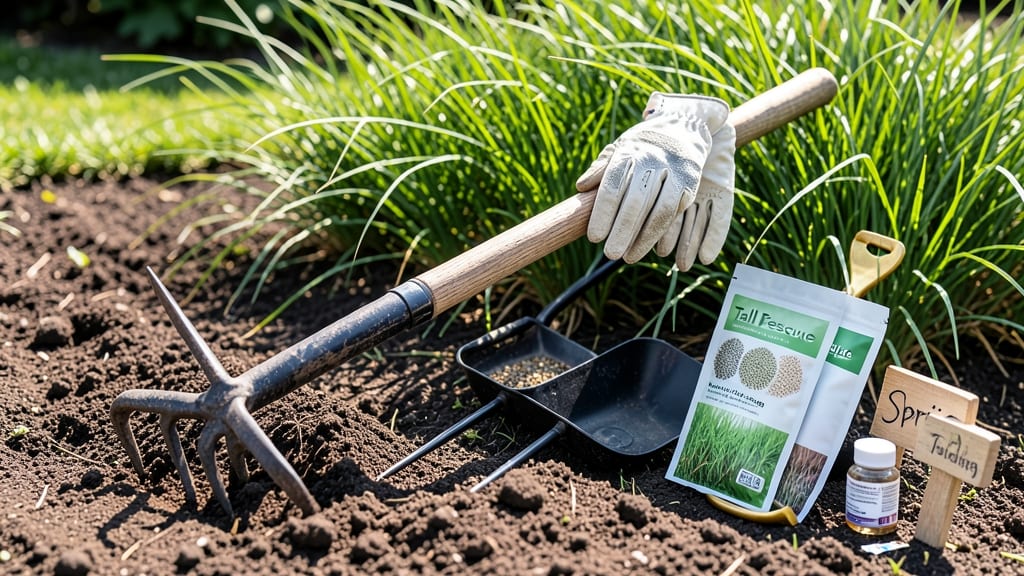
Planting grass seed in Kentucky at the right time means the difference between a lush, deep-rooted lawn and one that struggles through summer heat.
Kentucky’s unpredictable spring weather can leave new grass seed struggling to take root—but fall planting offers the perfect window for deep, resilient growth. Timing matters more than you think, and missing these deadlines could mean weaker turf next summer.
In USDA zones 6a-7a, the ideal window is early fall, between September and October, when soil stays warm enough for germination but cools just enough to slow weed competition. This is when Kentucky bluegrass and tall fescue thrive.
Here’s how to pinpoint the exact dates for your region, prep your soil for maximum success, and avoid the three mistakes that ruin fall plantings every year.
Kentucky’s ideal fall grass seed planting deadlines by region
Fall is the best time to plant grass seed in Kentucky because cooler temperatures and increased rainfall create perfect germination conditions. But timing varies by region—Northern Kentucky’s cool-season grasses need different windows than Southern Kentucky’s warm-season varieties.
Let’s break down the ideal deadlines for each zone to ensure your new lawn thrives.
In Northern Kentucky (USDA Zone 6a), where Kentucky bluegrass dominates, aim to plant between mid-September and early October. This gives seeds time to germinate before the first hard frost, typically around November 15.
For Central Kentucky (Zone 6b-7a), the transition zone, the window stretches from late August to mid-October, accommodating both cool-season and tall fescue mixes.
Southern Kentucky (Zone 7a) favors warm-season grasses like Bermuda and zoysia, which should be planted in late spring or early summer. However, overseeding with ryegrass in fall (by October 15) adds winter color and strengthens roots for spring. Missing these deadlines risks poor establishment or winterkill.
| Region | Grass Type | Ideal Planting Window | Soil Temp Threshold | Last-Chance Date | Key Consideration |
|---|---|---|---|---|---|
| Northern KY | Kentucky Bluegrass | Mid-Sept to Early Oct | 60–70°F | Nov 1 (before frost) | Cool nights, warm days |
| Central KY | Tall Fescue Mix | Late Aug to Mid-Oct | 55–65°F | Oct 15 (transition zone) | Flexible for both types |
| Southern KY | Ryegrass (overseed) | By Oct 15 | 50–60°F | Nov 1 (warm-season base) | Winter color + spring boost |
Soil temperature is critical—seeds need consistent warmth (60–70°F) to germinate. Use a soil thermometer to monitor; if temps drop below 50°F at night, germination slows dramatically. In Northern Kentucky, aim for 60°F daytime temps and 50°F nights for optimal results.
For Central Kentucky’s transition zone, the late August window works for tall fescue, but shift to September 15 if you’re planting Kentucky bluegrass. This zone’s humidity and variable weather demand extra attention—cover seeds with straw mulch to retain moisture and protect from late-summer heat spikes.
In Southern Kentucky, focus on overseeding ryegrass by October 15 to complement Bermuda or zoysia. The goal here isn’t full establishment but winter survival and spring vigor. Avoid planting warm-season grass seed in fall—it won’t germinate in cool soil.
Pro tip: Test your soil 2–4 weeks before planting to adjust pH (6.0–7.0) and add compost. In Northern Kentucky, acidic soil is common; lime may be needed. Central and Southern regions often benefit from organic matter to improve drainage.
Miss the fall window? Don’t panic—early spring planting (March–April) is your second chance. But fall-grown grass outperforms spring-planted by 30–50% due to deeper root systems before winter. Mark your calendar now!
🌱
How to prepare Kentucky soil for fall grass seed success
Fall is the best time to plant grass seed in Kentucky because the soil stays warm enough for germination while weeds slow down. But before you scatter seeds, your soil needs the right conditions.
The key is creating a loose, fertile bed with proper moisture and pH—all while keeping weeds at bay. Without this prep, even the best grass seed will struggle to establish roots.
Start by testing your soil pH—Kentucky grass thrives in a range of 6.0 to 7.0. If your soil is too acidic or alkaline, amend it with lime (to raise pH) or sulfur (to lower it).
Most Kentucky soils lean toward acidity, so a quick pH test will save you from guessing. Once you’ve adjusted the pH, focus on organic matter—compost or well-rotted manure works best—to improve soil structure and water retention.
Weed control is another critical step. Weeds compete for nutrients, water, and sunlight, stunting your new grass. Use a pre-emergent herbicide 2-3 weeks before planting to prevent weed seeds from germinating. For existing weeds, hand-pull or spot-treat with a post-emergent herbicide labeled for lawns. Timing is everything here—apply herbicides before seeding to avoid damaging your new grass.
Step-by-Step Soil Prep for Fall Grass Seed
-
1
Test Soil pH
Use a soil test kit to check pH. Aim for 6.0–7.0. Adjust with lime (raise pH) or sulfur (lower pH) if needed. -
2
Add Organic Matter
Spread 2–3 inches of compost or well-rotted manure over the area. Work it into the top 4–6 inches of soil. -
3
Control Weeds
Apply a pre-emergent herbicide 2–3 weeks before planting. For existing weeds, hand-pull or spot-treat with a post-emergent herbicide. -
4
Loosen Soil
Use a garden rake or tiller to break up compacted soil. Aim for a fine, crumbly texture—like cake batter. -
5
Level the Surface
Rake the area smooth to ensure even seed-to-soil contact. Fill low spots with soil and level high spots with a rake. -
6
Moisture Management
Water the soil deeply 1–2 days before planting to ensure moisture reaches 4–6 inches down. Keep soil moist (not soggy) until germination.
After prepping your soil, the final step is ensuring proper moisture during germination. Water the area deeply 1–2 days before planting to moisten the soil to a depth of 4–6 inches. This encourages seeds to sprout quickly and reduces the risk of drying out.
Once planted, keep the soil consistently moist—like a wrung-out sponge. Use a light sprinkler or gentle hose setting to avoid displacing seeds.
With these steps, your Kentucky soil will be ready to support strong, deep roots before winter sets in. The key is patience—fall-planted grass takes 4–6 weeks to establish, but the results are worth it: a thicker, greener lawn that survives summer heat and winter freezes.
Don’t rush the process, and your lawn will thank you next spring.