
Plants
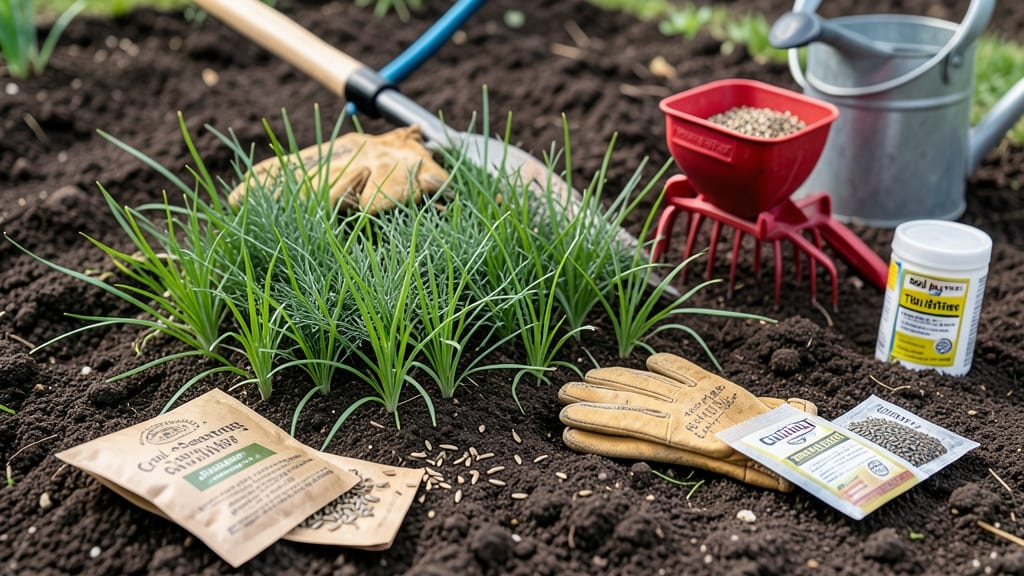
The best time to plant grass seed in the spring is when soil temperatures hit 50°F–65°F — a window that separates success from frustration for your lawn.
Planting grass seed 🌱 at the wrong time in spring can lead to patchy lawns, wasted money, and endless weed battles—so timing isn’t just important, it’s everything. One week too early and frost will kill your seedlings; one week too late and weeds will steal the show.
Cool-season grasses like Kentucky bluegrass and fescue thrive when planted in early spring, while warm-season varieties like Bermuda or zoysia wait for late spring’s warmth. But soil temperature is the real game-changer—skip the guesswork with a simple thermometer check.
Below, I’ll break down the exact degrees that matter, regional tweaks for USDA Zone 6a, and the 3-step prep to ensure your seed takes root fast and strong—no weeds allowed.
Ideal soil temperature for spring grass seed planting: exact degrees that matter
Spring is the prime time to plant grass seed, but timing isn't just about the calendar—it's about soil temperature. Cool-season grasses like Kentucky bluegrass and fescue thrive when soil is between 50°F and 60°F, while warm-season types such as Bermuda and Zoysia need 65°F to 75°F.
Planting too early or late can lead to slow germination or seedling death, wasting your time and money.
Most gardeners focus on frost dates, but soil temperature is the real game-changer. Even if the air feels warm, cold soil can delay germination by weeks. For example, tall fescue may take 14–21 days to sprout at 50°F but only 7–10 days at 60°F.
Understanding these nuances ensures your lawn starts strong and outcompetes weeds early.
Regional differences also play a critical role. In northern climates (USDA Zones 3–6), aim for early spring planting when soil warms to 50°F—typically March to early April.
In southern regions (Zones 7–10), wait until late spring when soil reaches 65°F to avoid heat stress on seedlings. Always check local averages to avoid common mistakes.
Testing soil temperature is simpler than you think. A soil thermometer (available for under $10) gives precise readings. Insert it 2–3 inches deep in shaded soil, away from direct sunlight, and wait 10 minutes for an accurate reading.
For a DIY method, press your hand into the soil—if it feels cool but not freezing, it’s likely in the 50°F–60°F range for cool-season grasses.
Here’s a quick reference for your region:
If your soil is too cold, wait a few weeks—patience pays off. Use black plastic mulch or straw mulch to warm soil faster if needed, but avoid overheating seedlings. Conversely, if soil is too hot (above 75°F), shade seedlings with shade cloth until temperatures drop.
This balance is key to avoiding seedling stress and ensuring a lush, weed-resistant lawn.
Pro tip: Monitor soil temperature for 3–5 consecutive days in the ideal range before planting. Fluctuations can stunt growth, so consistency matters more than a single perfect day. For example, tall fescue planted at 55°F for 5 days will germinate faster than if soil dips below 50°F intermittently.
Don’t overlook moisture levels alongside temperature. Soil should be moist but not soggy—think of a damp sponge. Water lightly before planting to settle the seedbed, then keep soil evenly moist (not flooded) until germination.
A sprinkler with fine mist or drip irrigation works best for maintaining ideal conditions without disturbing seeds.
Once you’ve nailed the soil temperature and moisture, your grass seed will germinate predictably. For cool-season grasses, expect sprouts in 7–14 days if conditions are perfect. For warm-season types, germination may take 10–28 days, depending on heat and humidity.
Track your progress with a seedling journal to refine future plantings—note dates, temps, and rainfall for a foolproof system.
Remember, the best time to plant grass seed in spring isn’t just about the calendar—it’s about soil temperature, moisture, and patience. By mastering these factors, you’ll transform patchy lawns into a vibrant, weed-free carpet in no time. Happy planting! 🌱
Spring planting timeline by grass type: cool-season vs. warm-season schedules
Timing your grass seed planting is like catching a wave—too early and you’ll get burned by frost, too late and weeds will steal your spotlight. Cool-season grasses like Kentucky bluegrass and fescue need to hit the ground 4-6 weeks before your last frost date, while warm-season varieties like Bermuda and zoysia wait for late spring’s heat.
In USDA Zone 6a, that means early March for cool-season and mid-May for warm-season.
Your soil temperature is the real decider: cool-season grasses thrive at 50°F–60°F, while warm-season types need 65°F–75°F. Check with a simple soil thermometer or DIY method (stick a thermometer in a glass of water left outside overnight).
Northern climates push planting earlier, while southern regions can wait until late April for cool-season grasses.
Here’s your grass type planting timeline, including frost risk factors and regional adjustments to avoid common mistakes like patchy growth or weed takeover:
| Grass Type | Best Planting Window | Soil Temp Range | Frost Risk | Northern Adjustment | Southern Adjustment |
|---|---|---|---|---|---|
| Kentucky Bluegrass | Early March–April | 50°F–60°F | High (wait for stable temps) | Plant by late February | Plant by late April |
| Tall Fescue | March–April | 50°F–65°F | Moderate (avoid late frosts) | Plant by March 1 | Plant by May 1 |
| Bermuda Grass | Mid-May–June | 65°F–75°F | Low (heat-loving) | Wait until late May | Plant by April 15 |
| Zoysia Grass | Late April–May | 60°F–70°F | Low (slow to establish) | Plant by May 1 | Plant by March 30 |
For cool-season grasses, aim to plant when daytime highs hit 60°F consistently. This usually lands in early spring, but if your area has unpredictable frosts, wait until April 15 (the average last frost date for Zone 6a).
Overseeding in late summer is another trick to thicken up your lawn without competing with weeds.
Warm-season grasses like Bermuda and zoysia are frost-sensitive, so don’t rush—wait until soil temps stay above 65°F for 5+ days. In northern climates, this often means late May or June, while southern regions can start as early as April.
Pro tip: Use a soil thermometer to track daily temps and avoid planting too soon.
Once you’ve locked in your planting window, prep your soil with 2 inches of compost and a light raking to create a fine seedbed. Water deeply 2x daily (morning and evening) for the first 2 weeks to keep soil moist but not soggy.
This 3-step routine—right timing, soil prep, and consistent watering—will give your grass seedlings the best shot at outpacing weeds.