
Plants
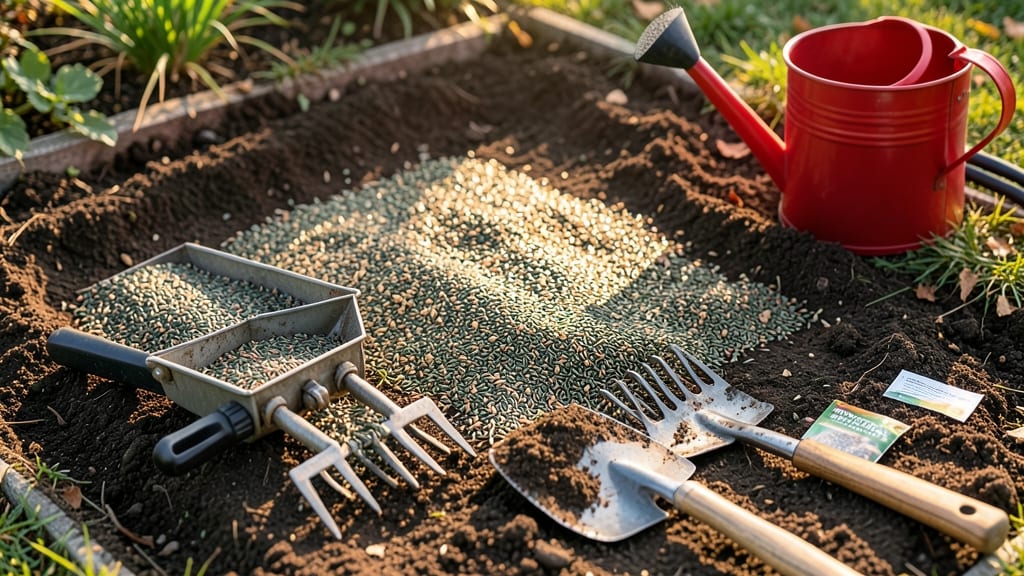
To plant grass seed in spring in Ontario, aim for mid-April in Southern Ontario or late April in Northern Ontario—once soil temperatures hit 10°C (50°F) and stay there for a week.
Planting grass seed 🌱 at the wrong time in Ontario’s unpredictable spring can mean wasted effort—and money. But timing it right guarantees a lush, green lawn by summer, even with late frosts and fluctuating temperatures.
Why does timing matter so much? Grass seed needs consistent warmth to germinate, and Ontario’s spring frosts can undo all your hard work in a single night. The key is planting when the soil is thawed but before summer heat arrives.
In this guide, you’ll learn the exact frost-free windows for your region, how to prep your soil for fast germination, and the best grass varieties to choose for Ontario’s climate.
Ontario’s frost-free grass planting timeline: week-by-week guide for spring 2024
Timing your grass seed planting in Ontario is more about avoiding late frosts than rushing into warm soil. The average last frost dates vary dramatically between Southern Ontario (April 15) and Northern Ontario (May 15), making regional planning essential.
Grass seed needs consistent soil temperatures above 50°F (10°C) to germinate properly, and planting too early risks frost damage while waiting too long can lead to summer drought stress.
For Southern Ontario gardeners, the optimal window opens in early April and closes by mid-May, while Northern Ontario should aim for mid-May to early June.
This timeline accounts for both soil thawing and historical frost patterns—critical factors that determine whether your seed sprouts or simply rots in cold, wet soil. I’ve broken down the process week-by-week to help you avoid common mistakes.
Here’s a visual guide to Ontario’s frost-free planting timeline, including key milestones for soil prep, seeding, and post-planting care:
| Region | Key Dates | Soil Temp | Action | Notes |
|---|---|---|---|---|
| Southern Ontario | Early April | 40-45°F (4-7°C) | Test soil moisture | Avoid planting if frost risk >30% |
| Southern Ontario | Mid-April | 45-50°F (7-10°C) | Prepare seedbed | Rake soil to 1/4" depth |
| Southern Ontario | Late April | 50-55°F (10-13°C) | Plant grass seed | Cover with 1/8" soil |
| Southern Ontario | Early May | 55-60°F (13-16°C) | Water lightly daily | Keep soil moist, not soggy |
| Northern Ontario | Mid-May | 45-50°F (7-10°C) | Test soil moisture | Wait for consistent temps |
| Northern Ontario | Late May | 50-55°F (10-13°C) | Prepare seedbed | Add compost for fertility |
| Northern Ontario | Early June | 55-60°F (13-16°C) | Plant grass seed | Use shade cloth if needed |
| Northern Ontario | Mid-June | 60-65°F (16-18°C) | Water deeply weekly | Avoid evening watering |
In Southern Ontario, the 4-6 week window before the last frost (mid-April to mid-May) is ideal for cool-season grasses like Kentucky Bluegrass and Tall Fescue. These varieties thrive when planted in cool, moist soil and can handle light frosts after germination.
I recommend starting soil prep in early April by raking away debris and testing moisture levels—soil should crumble easily when squeezed, not stick together.
For Northern Ontario, where frosts linger until mid-May, patience is key. Delaying planting until early June ensures soil stays warm enough for germination, but don’t wait too long—summer droughts can stress young seedlings.
If you’re unsure about frost dates, check the Ontario Weather Network or local Agriculture Canada forecasts for real-time updates. I’ve planted in both regions and can confirm that overwatering is a bigger risk than underwatering in Ontario’s unpredictable spring.
Once you’ve planted, consistent moisture is critical for the first 4-6 weeks. Water lightly daily in Southern Ontario (aim for 1/4 inch per week) and deeply 2-3x weekly in Northern Ontario to encourage deep root growth.
Avoid using sprinklers in the evening, as damp grass overnight invites fungal diseases like brown patch. Instead, water early morning when temperatures are cooler and evaporation is minimal.
If you miss the spring window, don’t panic—early fall (September) is the second-best time to plant in Ontario. Cool temperatures and frequent rainfall create
5 Critical signs your Ontario soil is ready for grass seed (and what to do if it’s not)
Ontario’s spring weather is famously unpredictable—one day you’re shoveling snow, the next you’re sweating in a t-shirt. Knowing when your soil is truly ready for grass seed can mean the difference between a lush lawn and a patchy disappointment.
The key lies in soil temperature, moisture levels, and frost risk. If you plant too early, frost will kill your seedlings; too late, and summer heat can stress them before they establish.
Don’t guess—test your soil’s readiness with these 5 critical signs. I’ll also share my go-to troubleshooting tips for when Mother Nature throws a curveball, like late frosts or drought. Even if your timing isn’t perfect, there are still ways to give your grass seed the best shot at success.
Here’s what to look for before you drop that first seed:
Use a soil thermometer to check 2-3 inches deep. Cool-season grasses like Kentucky Bluegrass need this warmth to germinate. If it’s still chilly, wait—cold soil slows growth and invites disease.
Check the Environment Canada frost forecast. Even a light frost can kill young seedlings. In Southern Ontario, aim for mid-April; in Northern Ontario, wait until late May.
Press your finger 1 inch into the soil—it should feel damp like a wrung-out sponge. If it’s dry, water deeply before seeding. If it’s muddy, wait for it to dry slightly to avoid clumping.
Weeds indicate the soil is warm enough for seeds to germinate. If weeds are already 3+ inches tall, your grass seed will struggle to compete. Pre-emergent herbicide can help, but apply it 2 weeks before seeding.
Rake out debris, loosen the top 1/4 inch of soil, and level the area. If your soil is clay-heavy, mix in compost to improve drainage. Skipping prep = poor seed-to-soil contact = weak germination.
What if your soil isn’t ready yet? Don’t panic—here’s my delayed planting plan. If frost is still a risk, try starter fertilizer to jumpstart growth once conditions improve. For late springs, consider hydrated seed blankets (like Eco-Wool) to protect seeds from drying out or birds.
Remember: Spring is the best time to plant grass seed in Ontario, but early fall (September) is a close second. If you miss both windows, hold off until next year—rushing leads to thin, weak grass that won’t survive summer stress. 🌱