
Plants
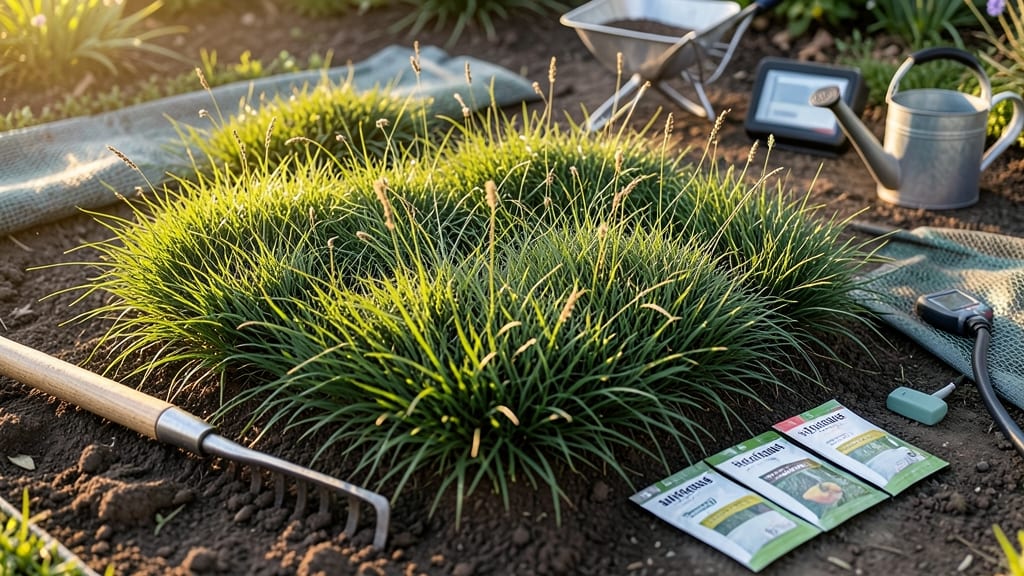
The best time to plant grass seed in Oklahoma is early fall (September-October) or early spring (March-April), when soil temperatures hover between 50-70°F for ideal germination.
Oklahoma’s unpredictable weather can turn a lush lawn into a battleground—unless you plant grass seed at the perfect time for deep root establishment and drought resistance.
Cool-season grasses like Tall Fescue thrive in these windows, while warm-season Bermuda struggles to establish when summer heat dries out seeds before they sprout.
Below, I’ll break down the 6-week window that works best for your region, soil prep tips to beat Oklahoma’s clay-heavy dirt, and how to water without wasting precious resources.
Oklahoma’s ideal cool-season planting window for grass seed success
Timing is everything when planting grass seed in Oklahoma, where summer heat can dry out seeds in minutes and winter frosts stall germination.
The perfect 6-week window opens in early September and closes by mid-October, when soil temperatures dip below 80°F—the magic threshold for seed survival and root growth. This window ensures seeds stay moist long enough to germinate before Oklahoma’s first frost arrives.
Why does this matter? When soil temps stay above 80°F, grass seeds dry out within hours of planting, leaving you with bare patches. Cool-season grasses like Tall Fescue and Kentucky Bluegrass thrive in these conditions, establishing deep roots that survive Oklahoma’s brutal summers.
Missing this window means risking weak germination or total failure—especially in USDA zones 7a-8a, where heat lingers longer.
⚠️ CRITICAL NOTE: Oklahoma’s microclimates shift planting times by 2-3 weeks. The panhandle (zone 7b-8a) can plant as early as late August, while the southeast (zone 7a-6b) may need to wait until early October. Check your local first frost date—aim to plant 6-8 weeks before frost for best results.
📅 SUMMARY TABLE: Oklahoma’s Grass Seed Planting Window by Region
| Region | USDA Zone | Optimal Planting Window | Soil Temp Goal (°F) | Key Risk |
|---|---|---|---|---|
| Panhandle (Amarillo, Guymon) | 7b-8a | Late August – Early October | 60-75°F | Early frost |
| Northwest (Oklahoma City, Stillwater) | 7a-7b | Early September – Mid-October | 65-70°F | Summer heat lingering |
| Central (Norman, Moore) | 7a | Mid-September – Late October | 60-68°F | Clay soil compaction |
| Southeast (Tulsa, McAlester) | 6b-7a | Late September – Early November | 55-65°F | Late-season drought |
Let’s break down why this window works. When you plant in early fall, daytime highs drop from 90°F in August to 75°F by September, giving seeds time to germinate without drying out.
Nighttime temperatures also stay above 50°F, preventing chilling stress. This 6-week window aligns with Oklahoma’s natural rainfall patterns—September typically brings 3-4 inches of rain, keeping seeds hydrated until roots establish.
Another advantage? Fewer weeds compete with grass seeds in fall. Summer annuals like crabgrass die off as temperatures drop, while cool-season weeds haven’t yet sprouted. This gives your new grass a 30-50% better chance of outcompeting invaders.
Pro tip: If you plant in late October, cover seeds with a light straw mulch to insulate them from sudden cold snaps.
What if you miss this window? Spring planting (March-April) is your second-best option, but it comes with challenges. Oklahoma’s spring droughts can dry out seeds before germination, and soil crusting from rain can smother new sprouts.
If you choose spring, focus on shade-tolerant varieties like Fine Fescue and water daily until roots establish.
For warm-season grasses (like Bermuda or Zoysia), timing shifts to late spring (May-June) when soil temps hit 70°F+. But cool-season grasses—ideal for Oklahoma’s northern zones (6a-7a)—thrive only in that September-October window. Skipping it means weaker lawns that struggle with Oklahoma’s summer heat and winter freezes.
Ready to plant? Start by testing your soil’s moisture retention—Oklahoma’s clay soils need compost amendments to prevent water runoff. Then, choose a cloudy day for planting to reduce seed stress. With the right timing, you’ll see 50% germination within 7-14 days and a lush lawn by spring.
Don’t wait until the last minute—Oklahoma’s weather changes faster than a summer thunderstorm. Mark your calendar for September 1st and prepare your soil now. Your future lawn will thank you.
How to prepare Oklahoma soil for grass seed: 3 critical steps before planting
Oklahoma’s clay-heavy soils can make or break your grass seed success. Before planting, proper soil prep ensures better water retention and stronger root development, especially for drought-prone areas.
I’ve learned the hard way—skipping these steps often leads to patchy lawns or wasted seed. Let’s fix that with a 3-step checklist tailored for Oklahoma’s unique conditions.
First, you’ll need to test your soil pH. Oklahoma’s alkaline tendencies often push pH above the ideal 6.0-7.0 range for most grass types. A simple home test kit (or lab test) will reveal if you need to add sulfur (for high pH) or lime (for low pH).
This adjustment is non-negotiable—grass seeds struggle to germinate outside this range.
⚠️ NUMBERED HIGHLIGHTS ⚠️
Use a home test kit or send a sample to a lab. Aim for 6.0-7.0—Oklahoma’s clay often skews higher.
Break up clay compaction with a tiller or garden fork. Avoid over-tilling—just enough to loosen the topsoil.
Mix in compost (2-3 inches) for water retention or peat moss if drainage is poor. Oklahoma’s clay benefits most from compost.
Next, tilling depth matters. Most gardeners overdo it, but for grass seed, you only need to loosen the top 1-2 inches of soil. This depth allows seeds to contact moist soil while preventing buried seeds from struggling to surface.
Use a rototiller or manual garden fork—just avoid pulverizing the soil into dust, which can clog seed-to-soil contact.
Finally, organic matter amendments are your secret weapon against Oklahoma’s clay soil challenges. I recommend compost (2-3 inches) for most areas—it improves water retention and adds nutrients. If your soil drains poorly, peat moss can help, but compost is usually the better choice for Oklahoma’s heavy clay.
Spread it evenly, then lightly rake to mix it into the topsoil.
After these steps, your soil will be ready for seeding. The key is consistency: test, till, amend, and repeat if needed. Skipping any step risks poor germination or weak grass that can’t handle Oklahoma’s heat and drought. Trust me, your future lawn will thank you.
Once your soil is prepped, the next critical step is choosing the right grass seed variety for Oklahoma’s climate. But that’s a topic for another guide—happy planting! 🌱