
Lawn
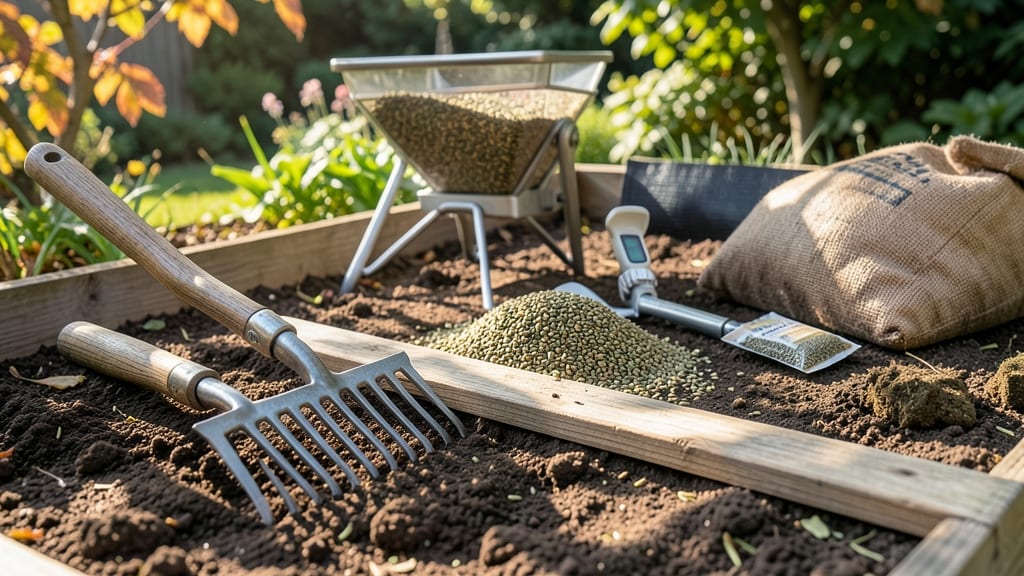
Planting grass seed on hard dirt feels like trying to grow flowers on concrete—until you know the secret. 🌱 The key isn’t brute force; it’s breaking up that compacted soil so seeds can find air, water, and space to root.
After my first attempt with just a rake, I learned the hard way that hard dirt needs more than surface scratches—it needs real prep work to wake up. You’ll need a few simple tools: a heavy-duty rake, a garden fork or aerator, and organic matter like compost or peat moss.
The goal is to loosen the top 4–6 inches of soil so seeds can settle into crumbly, welcoming earth. Skip the heavy tilling—it can actually make compaction worse. Instead, focus on breaking up the hardpan in patches, then blending in amendments to improve drainage and fertility.
Once your soil is ready, choose a seed blend designed for tough conditions—look for high germination rates and deep-rooting varieties. After planting, keep the soil consistently moist (not soggy) for the first 2–3 weeks.
You’ll start seeing sprouts in as little as 7–14 days, with a thick, lush lawn forming in about 6 weeks if you stay patient and consistent. The biggest mistake? Skipping the soil test or rushing the prep.
Hard dirt holds onto moisture and nutrients differently than loose soil, so take your time. With the right approach, you’ll transform that stubborn ground into a green carpet that lasts for years—not just a temporary fix.
📚 In This Guide
- What you need
- Instructions
- Tips and common mistakes
- Wrapping up and next steps
What you need
- ● Grass seed: Choose a high-quality, cool-season (e.g., Kentucky bluegrass, fescue) or warm-season (e.g., Bermuda, Zoysia) blend—2–5 lbs per 100 sq ft, depending on coverage needs.
- ● Garden rake: A heavy-duty metal rake (18–24" wide) for breaking up compacted soil.
- ● Shovel or mattock: For deep cuts into stubborn hardpan—preferably a digging shovel (12–14" blade) or a mattock for leverage.
- ● Broadcast spreader: A handheld or walk-behind model (e.g., Scotts or Brinly) for even seed distribution.
- ● Soil amendment: Compost: 1–2 inches per sq ft to improve soil structure.
- ○ Sand (coarse): Optional—mix 1 part sand to 3 parts soil if clay is dominant.
- ● Gypsum: 20–30 lbs per 100 sq ft to break up clay soils (if needed).
- ○ Topsoil (optional): 1–2 inches of nutrient-rich topsoil for thin or rocky areas.
- ○ Lawn roller (optional): A lightweight (50–100 lb) roller to press seed into soil gently.
- ● Water source: A hose with a gentle spray nozzle or irrigation system for consistent moisture.
- ● Clear the area: Remove rocks, debris, and weeds (use a weed puller or vinegar spray for stubborn growth).
- ● Test soil pH: Aim for 6.0–7.0—use a DIY test kit or send a sample to a local extension office.
- ● Check weather: Plant when soil temps are 50–65°F (cool-season) or 70–85°F (warm-season).
- ● Mark boundaries: Use spray paint or stakes to outline planting zones if needed.
Step-by-step instructions for planting grass seed on hard dirt
Here's how to break through tough ground and get your lawn growing thick in record time.
🪴 Step 1: Break Up the Hard Soil with the Right Tools
Rent or borrow a heavy-duty garden tiller or use a sharp spade to chop the hardpan into 2-3 inch deep chunks. I like to work in small sections—about 4 feet by 4 feet at a time—so I don't wear myself out. The goal is to loosen the soil enough that grass roots can push through without fighting compacted dirt.
If the ground is rock-hard, mix in 2-3 inches of compost after tilling to improve drainage and fertility. You'll know you've done enough when you can push your thumb 1-2 inches deep into the soil without resistance. This prep work is the secret to fast germination—skimp here, and your seed will struggle.
✂️ Step 2: Level and Smooth the Ground
Drag a rake over the tilled area to break up any remaining clumps and create an even surface. I use a level board or a long piece of lumber to check for high spots—anything sticking up will create bare patches later. Fill low spots with a mix of topsoil and compost until the entire area sits at the same height.
Once level, drag the rake again in perpendicular directions to create fine texture. The soil should look like coarse sand—this helps seed make good contact with the earth. If you're working on a slope, create small ridges perpendicular to the grade to slow water runoff and keep seed in place.
💧 Step 3: Apply Seed and Top Dressing
Spread the grass seed evenly using a broadcast spreader set to the recommended rate for your seed type. I like to walk in a crisscross pattern to ensure even coverage—you'll see thin spots if you miss this. For hard dirt, use 10-20% more seed than recommended to account for poor soil contact.
After seeding, apply a thin layer of starter fertilizer (about ½ pound per 100 square feet) and lightly rake it into the top ¼ inch of soil. Then cover the seed with a ¼ inch layer of peat moss or fine compost. This protects seeds from drying out while still allowing light to reach them—critical for fast germination on hard ground.
☀️ Step 4: Water Gently but Frequently
Water immediately after seeding with a gentle sprinkler or soaker hose until the soil is moist 1-2 inches deep. The key is keeping the top layer damp but not soggy—hard dirt drains poorly, so you'll need to water 2-3 times daily for the first week. You'll know you're doing it right when the soil looks dark and uniformly moist, not glistening with excess water.
After germination (usually 7-14 days depending on temperature), reduce watering to 1 inch per week, including rainfall. Let the top ½ inch of soil dry slightly between waterings to encourage deep root growth. Avoid heavy foot traffic until the grass reaches 3 inches tall—hard dirt compacts easily, and you'll crush tender seedlings.
Tips & tricks for planting grass seed on hard ground
Don't let tough soil stop you—these tricks will help your grass grow thick and fast, even on the hardest ground.
The Right Tools Make All the Difference: If you don't have a garden tiller, a sharp spade works too—just go slowly in those 4-foot squares to avoid exhaustion. For really stubborn ground, rent a rototiller for 2-3 inch deep penetration. I learned this the hard way after struggling with a dull spade that barely scratched the surface!
Compost is Your Secret Weapon: That 2-3 inches of compost you mix in isn't just filler—it's where the magic happens. Look for well-aged compost with visible organic matter. If you're in a hurry, you can use a 50/50 mix of compost and topsoil instead, but pure compost gives the best results for hard ground. The thumb test is foolproof: push your thumb in 1-2 inches—if it feels like butter, you're good to go.
Leveling Like a Pro: That level board trick in Step 2 saves so much frustration later. For slopes, create those ridges perpendicular to the grade—it's like building tiny speed bumps to catch water and seed. I use a 2x4 board as my level reference, and it's become my go-to tool for any yard project since.
Pro Tips for Plant Grass Seed On Hard Dirt
- Don't let tough soil stop you—these tricks will help your grass grow thick and fast, even on the hardest ground.
- The Right Tools Make All the Difference: If you don't have a garden tiller, a sharp spade works too—just go slowly in those 4-foot squares to avoid exhaustion.
- Compost is Your Secret Weapon: That 2-3 inches of compost you mix in isn't just filler—it's where the magic happens.
Frequently asked questions
Got questions about tackling hard dirt and getting that lush lawn? You’re not alone! Here are some of the most common concerns—and their straightforward solutions—to help you plant grass seed like a pro.
How do I know if my dirt is too hard for grass seed?
Press your thumb into the soil. If it feels like concrete or cracks instead of giving slightly, your dirt is too compacted. Grass seed needs loose, aerated soil to germinate properly. If it’s rock-hard, you’ll need to prep it with tilling or aeration first.
Can I plant grass seed in hard dirt without tilling?
While tilling is ideal, you can still plant grass seed on hard dirt by scoring the surface with a garden fork or rake to create shallow grooves (about ¼ inch deep). This gives seeds a tiny foothold. Just water gently to avoid washing them away.
What’s the best time of year to plant grass seed on hard ground?
Cool-season grasses (like Kentucky bluegrass or fescue) thrive when planted in early fall or late spring, when temperatures are mild (50–65°F). Warm-season grasses (like Bermuda or Zoysia) need late spring to early summer. Avoid extreme heat or cold—seeds struggle to germinate in those conditions.
How often should I water grass seed on hard dirt?
Keep the soil consistently moist (not soggy) for the first 2–3 weeks. Water lightly 2–3 times daily (early morning is best) to prevent seeds from drying out. Once sprouts appear, reduce to 1 inch of water per week. A sprinkler with gentle mist works best.
What if my grass seed isn’t growing after planting on hard dirt?
Check for these issues:
- Poor soil contact: Rake seeds lightly into the top layer of soil.
- Inconsistent watering: Hard dirt dries out faster—stay vigilant!
- Weeds or debris: Clear competing plants before seeding.
- Wrong seed type: Ensure your seed matches your climate/lawn use.
Wrapping up and next steps
Planting grass seed on hard dirt is totally doable—you just need the right prep and patience! 🌱 By loosening the soil, amending it with compost, and keeping it consistently moist, you’ll give your grass the best shot at thriving.
Remember, slow and steady wins the race—your lawn will thank you with lush, green growth in no time.
Now that you’re armed with these tricks, go ahead and take the next step! Grab your tools, pick a sunny day, and get that dirt ready for a show-stopping lawn. Watch your hard work pay off in just a few weeks—you’ve got this! ✨