
Lawn
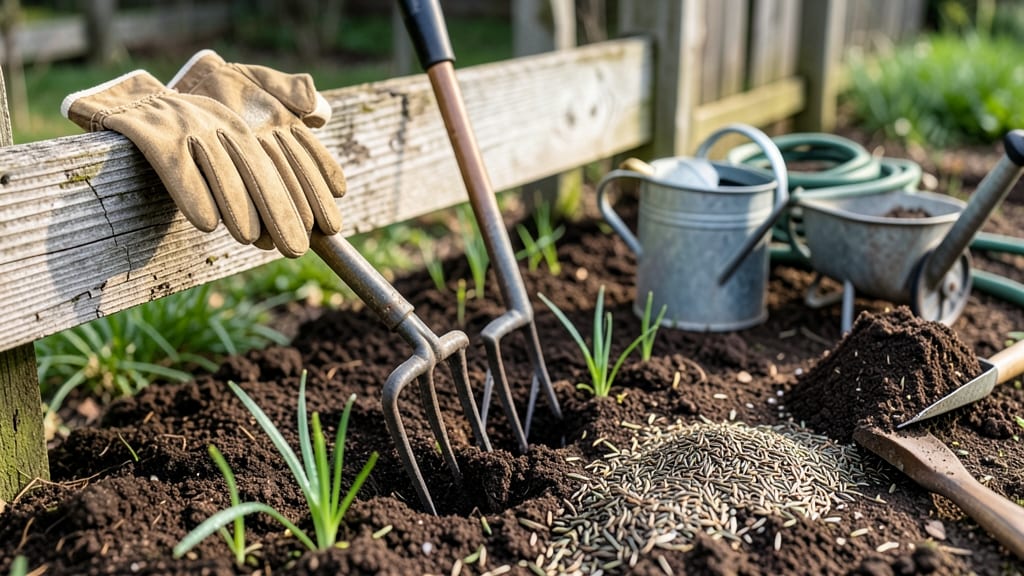
Autumn’s crisp air and gentle rains are the perfect partners for planting grass seed—this is when lawns take root deeper and stronger than any other season. 🌱 I’ve seen firsthand how fall-planted grass outcompetes weeds naturally, thanks to cooler soil temperatures and fewer stress factors.
The key? Timing it right before the first frost, when weeds are dormant but your grass still has time to establish before winter slows things down.
You’ll need a few simple supplies: high-quality seed suited to your climate, a rake for soil prep, and a light layer of straw or peat moss to protect new sprouts. The real secret is in the prep—loosen the soil, remove debris, and test your pH (aim for 6.0-7.0).
Most people skip this step, and that’s why their lawns struggle. Take 30 minutes to do it right, and you’ll save yourself headaches later.
By late spring, you’ll have a lawn so thick and lush it makes neighbors ask for your secret. The grass grows deeper roots in autumn, so it handles summer heat and drought better than spring-planted lawns.
Plus, fewer weeds mean less mowing and more time enjoying your outdoor space. This isn’t just gardening—it’s investing in a lawn that lasts.
Works for both northern and southern climates, though timing shifts slightly—think September-November in the U.S. and March-May in the southern hemisphere. The principle stays the same: cooler weather, moist soil, and no rushing. Let’s get that seed in the ground before the first frost locks things up for winter.
📚 In This Guide
- What you need
- Instructions
- Tips and common mistakes
- Wrapping up and next steps
What you need
- ● High-quality grass seed – Choose a blend suited for your climate and lawn use (e.g., Kentucky Bluegrass, Fescue, or Ryegrass). Aim for 5–10 lbs per 1,000 sq ft, depending on the mix.
- ● Lawn fertilizer – A slow-release, high-phosphorus fertilizer (e.g., 16-4-8 or 10-20-10) to encourage strong root growth. Use ½ lb of nitrogen per 1,000 sq ft.
- ● Soil amendment – Compost or peat moss (1–2 inches) to improve soil texture and nutrients, especially if your soil is clay-heavy or sandy.
- ● Topsoil or starter mix – A thin layer (¼ inch) to cover seeds and retain moisture.
- ● Broadcast spreader – For even seed distribution (manual or drop-type).
- ● Rake (bow or stiff-bristle) – To loosen soil, level the area, and cover seeds lightly.
- ● Lawn mower (with bagger) – To clear existing grass/clippings before planting.
- ● Garden hose with sprinkler – For consistent watering (aim for ¼–½ inch of water daily for the first 2 weeks).
- ○ Soil test kit (optional but helpful) – To check pH and nutrient levels before planting.
- ● Weather: Cooler temps (50–65°F) and 4–6 weeks before first frost for optimal germination.
- ● Sunlight: Full sun (at least 6 hours/day) for most grass types.
- ● Soil prep: Loose, weed-free, and slightly moist (not soggy).
Step-by-Step instructions for planting grass seed in autumn
Autumn's mild temperatures and frequent rain make it the perfect time for a lush lawn—here's how to do it right.
🌱 Step 1: Prepare the Soil for Optimal Seed Contact
Start by mowing your lawn as short as possible—about 1 inch—to create an even surface for seed placement. This helps seeds make direct contact with soil, which is critical for germination. After mowing, remove all grass clippings and debris using a rake or leaf blower to prevent smothering the seed.
Next, aerate the lawn using a core aerator to create ¼-inch deep holes every 2-3 inches. This loosens compacted soil and allows roots to establish more easily. If you don't have an aerator, rent one or hire a service—skipping this step often leads to patchy growth. After aerating, lightly rake the surface to smooth any rough spots, creating a fine, crumbly texture that's ideal for seed-to-soil contact.
💧 Step 2: Spread Grass Seed Evenly for Uniform Growth
Choose a high-quality grass seed blend suited to your climate and sun exposure. For most regions, a mix of tall fescue and perennial ryegrass works well—tall fescue handles heat and drought, while ryegrass germinates quickly in cooler weather. Divide your seed into two portions to make spreading easier.
Use a broadcast spreader for even coverage, walking in opposite directions to ensure no gaps. Aim for 4-6 pounds of seed per 1,000 square feet, depending on your seed type. Lightly rake the area again to press seeds into the soil without burying them—just enough so they make contact with the earth. This prevents seeds from washing away during your first watering.
☀️ Step 3: Apply Starter Fertilizer and Mulch for Protection
Sprinkle a low-nitrogen starter fertilizer (about ½ pound per 1,000 square feet) evenly over the seeded area. This provides essential nutrients without burning tender seedlings. Use a spreader set to a fine setting to avoid clumping. After fertilizing, apply a thin layer of straw mulch—about ¼ inch thick—to protect seeds from drying out and bird damage.
Leave the mulch in place until you see 50% germination, usually within 10-14 days. The mulch also helps regulate soil temperature, preventing seeds from overheating during the day or cooling too much at night. Avoid using grass clippings as mulch—they can mat down and block light, slowing germination.
💧 Step 4: Water Consistently to Encourage Germination
Water the lawn immediately after planting, then maintain 1 inch of water daily for the first 2 weeks. Use a gentle sprinkler to avoid displacing seeds, and water in the early morning to reduce evaporation. Keep the soil moist but not soggy—you should see water pooling slightly on the surface before it absorbs.
Once germination begins, reduce watering to ½ inch daily but increase frequency to 2-3 times per day to keep the top 1 inch of soil consistently moist. You'll know you're doing it right when the soil feels damp 1 inch down but not waterlogged. Overwatering can lead to fungal diseases, while underwatering causes seeds to dry out before sprouting.
✂️ Step 5: Maintain and Transition to Regular Care
After 3-4 weeks, when new grass reaches 3-4 inches tall, mow it to 2-3 inches to encourage root growth. Use a sharp mower blade to avoid tearing grass blades. Avoid heavy foot traffic on the new lawn for at least 4-6 weeks to prevent damaging delicate roots.
Once the new grass is established (usually by late fall or early spring), transition to a regular fertilization schedule and mowing routine. Autumn-planted grass will be more resilient to summer heat and better able to crowd out weeds naturally. With consistent care, you'll have a thick, lush lawn by next spring.
Tips & tricks for perfect autumn lawn planting
These practical tips will help you avoid common pitfalls and maximize your autumn lawn's potential.
Soil Prep Secret: After mowing to that 1-inch height in Step 1, take a moment to check your soil's moisture level. It should feel like a damp sponge—not muddy, not bone-dry. If it's too dry, water lightly before aerating. Compacted dry soil won't allow those ¼-inch deep holes to form properly, which means your seeds won't establish roots as effectively. I've seen lawns fail because people skipped this moisture check—don't make that mistake!
Seed Spreading Strategy: When you're dividing your seed into two portions in Step 2, use the first pass for the main direction (north-south) and the second pass perpendicular (east-west). This crosshatching method ensures you don't miss any spots. For large areas, consider marking a grid pattern with spray paint first—it's worth the 10 minutes to prevent patchy growth. The 4-6 pounds per 1,000 square feet guideline assumes good seed-to-soil contact, so don't skimp on the raking step after spreading.
Watering Wisdom: That 1 inch of water daily for the first two weeks sounds simple, but timing matters just as much. Set your sprinkler for 15-20 minutes sessions—longer runs can displace seeds. I recommend using a rain gauge or measuring cups to verify your sprinkler's output. You'll know you're doing it right when you see water pooling slightly but not running off. Too much water creates anaerobic conditions that prevent germination, while too little causes seeds to dry out before sprouting.
Germination Checkpoint: When checking for 50% germination within 10-14 days in Step 3, look for tiny green spikes about ½ inch tall. If you're not seeing this by day 14, gently lift a small section of mulch to check soil moisture—seeds need consistent dampness, not soggy conditions. Remember that straw mulch should stay ¼ inch thick maximum; thicker layers can smother emerging seedlings. This is where many people overcorrect by adding too much mulch, thinking it's helping when it's actually blocking sunlight.
Pro Tips for Planting Grass Seed In Autumn
- These practical tips will help you avoid common pitfalls and maximize your autumn lawn's potential.
- Soil Prep Secret: After mowing to that 1-inch height in Step 1, take a moment to check your soil's moisture level. It...
- Seed Spreading Strategy: When you're dividing your seed into two portions in Step 2, use the first pass for the main ...
Frequently asked questions
about planting grass seed in autumn—because even the pros need a little clarity!Why is autumn the best time to plant grass seed?
Autumn’s cooler temps and higher humidity give grass seeds the perfect environment to germinate and establish strong roots before winter. Fewer weeds compete for nutrients, and spring rains often help young grass thrive. Plus, you avoid summer’s heat stress and drought risks!
How long does it take for grass seed to grow in autumn?
Most cool-season grasses sprout in 7–21 days (depending on variety and weather). Warm-season grasses may take 14–30 days. Keep soil moist but not soggy—consistent watering is key! Expect full coverage in 6–12 weeks with proper care.
What if my soil is too hard or compacted?
Use a garden rake or aerator to loosen soil 1–2 inches deep before planting. Compacted soil blocks roots and water absorption. For tough spots, rent a core aerator or spike aerator. Lightly rake after aerating to create a seed-friendly texture.
Can I overseed an existing lawn in autumn?
Overseeding fills thin patches and boosts density. Mow short (1–1.5 inches), aerate, spread seed evenly, and top with a thin layer of soil or compost. Water lightly daily for 2 weeks. Ideal for Kentucky bluegrass, fescue, and ryegrass varieties.
How do I keep pests (like voles or birds) from eating my grass seed?
Cover seeds with a light straw mulch or erosion blanket (remove after germination). Scare tactics like wind chimes or old CDs can deter birds. For voles, set traps or use repellents like castor oil-based sprays. Avoid heavy mulch—it can smother seeds.
Will frost or early snow hurt newly planted grass?
Don’t stress! Grass seeds germinate before frost arrives in most regions. Once sprouted, a light frost won’t harm them, but avoid planting too close to winter’s first freeze. If snow covers young grass, it acts as insulation—just brush it off gently to prevent matting.
Wrapping up and next steps
Autumn is the perfect time to plant grass seed—cooler temps, fewer weeds, and ideal growing conditions make it a win! 🌱 By following the right steps—preparing the soil, choosing the best seed, and keeping it moist—you’ll soon enjoy a thick, vibrant lawn that outcompetes weeds naturally.
Don’t wait: grab your tools, roll up your sleeves, and transform your yard this season.
Ready to dive in? Start with soil prep today—your future lawn will thank you! 🌟