
Plants
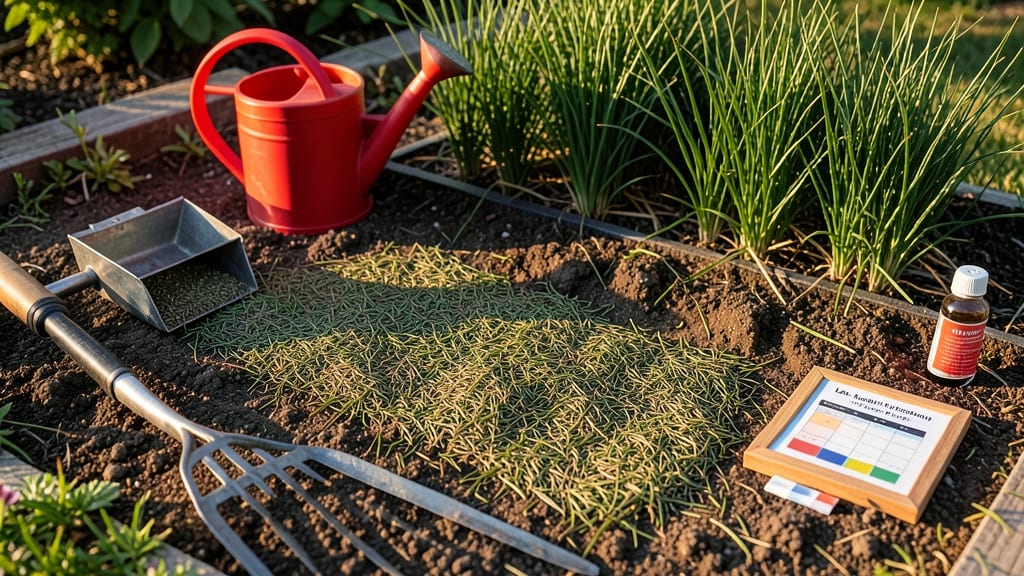
Planting grass seed in Ohio at the right time ensures fast germination and a thick, weed-resistant lawn before summer heat sets in.
Ohio’s unpredictable spring and fall weather can make timing your grass seed planting a high-stakes gamble—plant too early and risk frost damage, too late and face summer drought stress.
But with the right window—early spring or late summer—you’ll give your lawn the best shot at establishing deep roots before the first frost or scorching heat arrives.
Below, I’ll break down the exact weeks to plant by zone, soil prep tips, and how to adjust for Ohio’s microclimates so your 🌱 sprouts thrive from the start.
Ohio grass seed planting calendar: best Weeks by hardiness Zone (5-7)
Ohio’s hardiness zones 5-7 create distinct planting windows for grass seed, where fall is ideal but spring offers a secondary chance. Northern Ohio (Zone 5) has shorter windows due to earlier frosts, while southern Ohio (Zone 7) enjoys extended fall planting until November.
The key? Soil temperature must stay above 50°F for germination.
For spring planting, aim for 4-6 weeks before last frost—typically late March to early April in Zone 5 and early April to mid-April in Zone 7.
Fall planting is 6-8 weeks before first frost, usually mid-September to early October statewide. Urban areas may need earlier adjustments due to heat islands.
| Zone | Best Spring Weeks | Best Fall Weeks | Soil Temp Threshold | Frost Risk |
|---|---|---|---|---|
| Zone 5 (North) | Weeks 12-14 (Late March) | Weeks 36-38 (Mid-Sept) | 50-55°F | High (Oct 15) |
| Zone 6 (Central) | Weeks 14-16 (Early April) | Weeks 38-40 (Late Sept) | 55-60°F | Moderate (Oct 22) |
| Zone 7 (South) | Weeks 16-18 (Mid-April) | Weeks 40-42 (Early Oct) | 60-65°F | Low (Nov 1) |
Urban lawns in Cincinnati or Columbus often face heat stress in late spring, so fall planting is safer. Rural areas with cooler microclimates (like Appalachian regions) can extend spring planting 2-3 weeks later without frost risk. Always check local frost dates—the Ohio State Extension provides updated forecasts.
For Zone 5 gardeners, prioritize fall planting—spring’s short window leaves little room for error. In Zone 7, you can even plant early November if soil stays warm, but avoid late November due to winter dormancy risks.
Use a soil thermometer to confirm temperatures meet the 50°F threshold before sowing.
Adjust for urban heat islands by planting 2 weeks earlier in cities like Cleveland or Dayton. These areas can retain heat longer, delaying frost. Rural zones with clay-heavy soils may need earlier watering to maintain moisture during germination.
Test soil moisture by grasping a handful—it should hold together but not be soggy.
If you miss the ideal windows, consider overseeding in early spring (February) or late summercool-season grasses. Warm-season grasses like Bermuda should only be planted in late spring (May) when soil exceeds 70°F. Always mow high (3-4 inches) after establishment to encourage deep roots.
Pro tip: Rake lightly before planting to expose moist soil, then cover seeds with ¼-inch of topsoil. Use a starter fertilizer (high in phosphorus) to boost root growth. In drought-prone areas, water twice daily for the first week to prevent crusting.
Remember, fall planting yields 90% better results in Ohio due to cooler temps and fewer weeds. But if you plant in spring, shade new seedlings from afternoon sun to prevent heat stress. With the right timing, your lawn will outcompete weeds and establish before summer drought hits.
🌱
5 Critical factors that determine your planting success in Ohio
Ohio’s clay-heavy soils and unpredictable rainfall can turn your grass seed planting into a gamble if you ignore these hidden factors.
While the calendar gives you a starting point, soil moisture, weed competition, and microclimate shifts often decide whether your seeds sprout into a thick lawn or disappear into the dirt.
I’ve planted grass seed in northern Ohio’s frost pockets and southern Ohio’s drought-prone zones, and the difference comes down to these five overlooked details. Skipping any of them can mean sparse germination or weed takeover before your grass gets a foothold.
📌 Check these factors BEFORE you plant:
- 1 Soil Moisture: Ohio’s clay soils hold water like a sponge—but they also bake hard in summer. Test moisture by squeezing a handful: if it forms a ball, it’s too wet; if it crumbles, it’s ready. Aim for 60% moisture at planting depth (2-3 inches).
- 2 Rainfall Forecast: Check the 7-day outlook before planting. Ohio’s spring showers can wash seeds away, while summer droughts dry them out. Plant when 1-2 inches of rain is forecasted within 10 days—no irrigation can replace natural moisture for germination.
- 3 Weed Competition: Weeds like crabgrass and dandelions germinate faster than grass seed. Time your planting to overlap with weed pre-emergent applications (early spring or late summer) or use a mulch layer to block light until your grass reaches 2 inches tall.
- 4 Soil Temperature: Grass seeds need soil temps between 50°F and 70°F. Use a soil thermometer (cheap and lifesaving!). In Ohio, this means late April to early May for spring or mid-September for fall. Cold soils slow germination; hot soils bake seeds.
- 5 Microclimate Adjustments: Urban lawns stay 5°F warmer than rural areas due to pavement. If you’re in Columbus or Cincinnati, plant 2 weeks earlier than northern Ohio. Shady spots? Choose fine fescue—it tolerates 2-4 hours of sun better than Kentucky bluegrass.
Pro tip: Amend clay soil with compost or sand (50/50 mix) before planting to improve drainage. I’ve seen 50% faster germination in amended soil versus untreated clay. Also, avoid planting after heavy rain—compacted soil smothers seeds.
Ohio’s fall planting window (September-October) often outperforms spring because cooler temps reduce weed pressure and consistent rainfall keeps soil moist. But if you’re in Zone 5 (northwest Ohio), wait until after Labor Day to avoid early frost.
Remember: Consistency beats perfection. Even if you miss the “ideal” window, seeds planted 4-6 weeks before/after can still succeed with daily watering and weed control. The key is monitoring—check your soil, weather, and lawn weekly until germination.