
How To
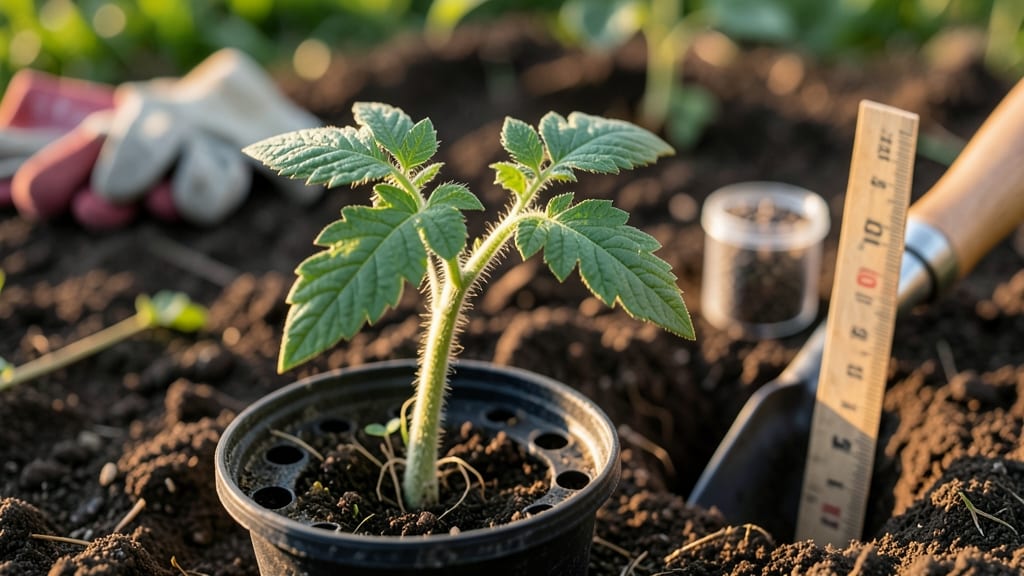
Planting tomato seeds at the right depth is the fastest way to ensure strong, speedy germination—too deep and they’ll rot, too shallow and they’ll dry out before sprouting.
Picture this: you’ve spent weeks waiting for those first green shoots, only to watch your seeds fail because you guessed wrong on the depth. The good news? There’s a precise, foolproof method for getting it right every time, whether you’re starting indoors or sowing directly in the garden.
In this guide, I’ll walk you through the exact planting depth for tomato seeds—measured in fractions of an inch—and how to adjust for soil type, climate, and even seed size. No more second-guessing, just faster, healthier plants from day one.
You’ll learn the one simple trick to measure depth without fancy tools, plus common mistakes that sabotage germination before it starts. Let’s get those seeds in the ground the right way.
Optimal tomato seed depth by seed type: exact inches for maximum germination
Getting the tomato seed depth right is one of the first critical steps for a successful harvest. Too shallow, and your seeds dry out before sprouting; too deep, and they struggle to reach the surface.
The ideal depth balances moisture retention, light exposure, and root development—all while accounting for your specific seed type. Whether you're working with heirloom seeds, hybrid varieties, or pre-sprouted seedlings, precision matters.
Most gardeners assume "plant seeds twice as deep as their width," but tomato seeds are tiny and delicate. The ¼-inch rule applies universally, but variations exist based on seed type and growing conditions.
For example, pre-sprouted seeds need shallower placement to avoid smothering their fragile roots, while heirloom seeds with thicker coatings can handle slightly deeper planting. Let’s break down the exact measurements and why they work.
| Seed Type | Optimal Depth (inches) | Key Considerations | Why It Matters |
|---|---|---|---|
| Heirloom Seeds | ¼ inch | Thicker seed coats; may need slight firming | Balances moisture and light exposure for slower germination |
| Hybrid Seeds | ¼ inch | Uniform size; often pre-treated for faster sprouting | Consistent depth ensures synchronized germination |
| Pre-Sprouted Seeds | ⅛ inch | Fragile roots; minimal soil coverage | Prevents root damage while maintaining moisture |
| Direct Outdoor Sowing | ½ inch | Warmer soil; deeper for moisture retention | Protects seeds from temperature fluctuations |
For heirloom seeds and hybrid seeds, the standard ¼-inch depth is your best bet. This depth keeps seeds hydrated while allowing enough light to trigger germination.
Heirloom seeds, in particular, often have thicker seed coats that benefit from this slight burial—it mimics natural soil conditions where seeds might be lightly covered by organic matter. Hybrid seeds, bred for consistency, also thrive at this depth, ensuring uniform sprouting across your tray.
When dealing with pre-sprouted seeds, the rules change dramatically. These tiny seedlings have already begun developing roots, and burying them too deeply can suffocate them. A mere ⅛-inch depth is ideal—just enough to keep the soil in contact with the seedling’s emerging root without smothering it.
Think of it like tucking a baby blanket around a newborn: gentle pressure, not a heavy cover. This shallow approach also prevents the delicate hypocotyl (the stem connecting the seed to the first leaves) from bending as it pushes upward.
One of the most common mistakes gardeners make is planting seeds too deep, especially when starting indoors. Seeds buried deeper than ½ inch may never reach the surface, leading to wasted effort and disappointment.
The deeper you plant, the longer it takes for the seedling to emerge, and the more energy it expends breaking through the soil. This delay can also expose young plants to damping-off disease, a fungal issue that thrives in overly moist, dark conditions.
Always err on the side of shallower planting unless you’re dealing with outdoor sowing in warmer climates.
On the flip side, planting seeds too shallow risks desiccation. Without enough soil coverage, seeds dry out quickly, especially in dry or windy conditions. A light sprinkle of soil over the seeds creates a microclimate that retains moisture while still allowing light penetration.
For direct outdoor sowing, you can go slightly deeper—up to ½ inch
Light exposure is another critical factor tied to depth. Tomato seeds need light to germinate, but they also need moisture to activate. Planting too shallowly can expose seeds to harsh light, causing them to dry out before sprouting. Conversely, too much soil blocks light entirely, leaving seeds in the dark. The ¼-inch mark strikes the perfect balance: it keeps seeds moist while still allowing sufficient light to reach them. If you’re using a seed tray with a clear lid, you can plant seeds slightly deeper (up to ⅓ inch) because the lid creates a humid environment that compensates for the reduced light. To achieve the perfect depth, use a simple tool like a toothpick or pencil to mark your planting line in the soil. Gently press the seed into the soil to the correct depth, then cover it lightly with soil or a fine seed-starting mix. Avoid compacting the soil too firmly, as this can create an air pocket around the seed, slowing germination. After planting, water gently to settle the soil without disturbing the seeds. A fine mist or spray bottle works best to avoid displacing your carefully placed seeds. Remember, the goal isn’t just to plant seeds—it’s to create an environment where they can thrive from the moment they’re placed in the soil. Whether you’re working with heirloom varieties, hybrid strains, or pre-sprouted seedlings, paying attention to depth sets the stage for strong, healthy plants that will reward you with a bountiful harvest. With these exact measurements in mind, you’ll be well on your way to faster germination and a garden full of vibrant tomato plants.
How soil type and climate affect tomato seed planting depth adjustments
Your local soil type and climate zone can change the perfect tomato seed depth by half an inch or more. What works for sandy soil in Arizona might fail in clay-heavy soil in Louisiana.
Even humidity levels play a role—too much moisture in tropical climates can cause seeds to rot if planted too deep, while dry conditions demand shallower sowing to prevent desiccation.
Let’s break down how to adjust your planting depth based on these factors. The standard ¼-inch depth becomes a starting point, but real-world conditions often require tweaks.
For example, clay soils hold moisture longer, so you can plant slightly deeper (up to ⅜ inch) to protect seeds from drying out. Meanwhile, sandy soils drain so quickly that seeds need to stay shallower (⅛ inch) to maintain contact with moisture.
Climate also matters: In hot, dry regions like the Southwest, aim for the shallowest possible depth to prevent soil from cracking around seeds. In humid climates like the Southeast, deeper planting helps seeds avoid fungal risks. Even elevation plays a role—seeds at higher altitudes (like Denver) need slightly deeper planting because cooler soils slow germination.
Tomato Seed Depth Adjustments by Soil & Climate
✅ DO Adjust Depth For:
- Sandy soil: Plant ⅛ inch deep (dries fast)
- Clay soil: Plant ⅜ inch deep (retains moisture)
- Hot/dry climates: Shallowest depth (⅛ inch)
- Humid climates: Slightly deeper (¼ inch)
- Indoor starts: ⅛ inch max (use trays)
❌ DON'T:
- Plant deeper than ½ inch (seeds rot)
- Skip soil prep (compacted soil = poor germination)
- Use cold soil (<50°F) without heat mats
- Overcrowd seeds (space ¼ inch apart)
- Ignore local frost dates (wait until soil warms)
"Adjusting depth by soil type and climate can boost germination rates by 30-50%."
For indoor seed starting, stick to the shallowest depth (⅛ inch) because you control moisture and warmth with trays and grow lights. Outdoors, however, you’ll need to account for natural soil conditions.
In drought-prone areas, pre-moisten the soil and use a light mulch to retain humidity around seeds. In rainy climates, consider raised beds to improve drainage and prevent seeds from washing away.
Another key factor is seed size. Large, hybrid seeds (like Beefsteak varieties) can handle slightly deeper planting (⅜ inch) because they store more energy. Smaller heirloom seeds (such as Cherry tomatoes) need to stay shallower (⅛ inch) to avoid smothering.
Always press seeds gently into soil—don’t drop them from above, or you’ll create uneven depths that lead to uneven germination.
Pro tip: Use a toothpick or pencil to mark your planting depth in the soil. This visual guide helps you maintain consistency, especially when sowing multiple rows. After planting, label your seeds with the variety name and date to track which conditions worked best for your garden.
Over time, you’ll develop a personalized depth formula tailored to your local growing conditions.
Remember, the goal is consistent moisture and optimal light exposure—not just following a one-size-fits-all rule. By adjusting your tomato seed depth based on soil and climate, you’ll give your plants the best possible start, setting the stage for a bountiful harvest. Happy planting! 🌱