
Planting
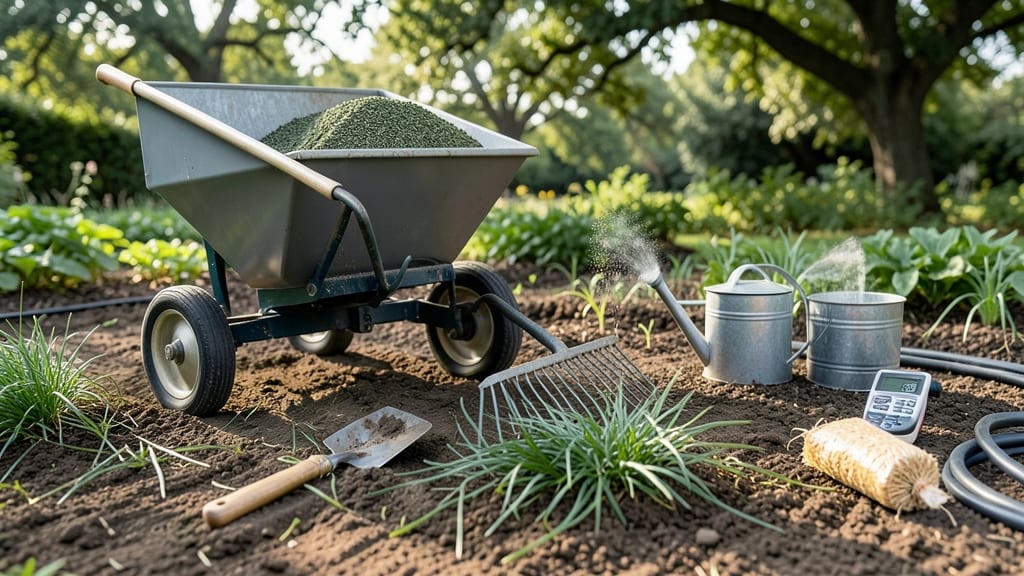
Planting grass seed in North Carolina at the right time is the key to a thick, green lawn that stays vibrant year-round 🌱.
North Carolina's mild winters and humid summers create the perfect conditions for lush green lawns—but timing your grass seed planting wrong can mean wasted effort. Missing the frost-free window in Zone 7a or 7b could leave your seeds vulnerable to heat stress or early frosts, leaving you with patchy results.
If you've ever spent hours spreading seed only to watch it wither under the summer sun or freeze before taking root, you know how critical the timing is.
The best window for planting grass seed in North Carolina is either early spring or early fall, when soil temperatures are just right for germination.
In this guide, I’ll break down the exact months to plant in Zones 7a and 7b, how to prepare your soil for success, and the 5 critical factors that determine whether your grass will thrive or struggle.
Whether you're in the Piedmont, Coastal Plain, or Mountains, you'll find the perfect timing for your lawn.
Best planting windows for NC Zones 7a & 7b: exact months & temperature guidelines
North Carolina's Zone 7a and Zone 7b offer two distinct planting windows for grass seed, each with ideal temperature ranges and frost-free periods.
In Zone 7a (colder winters), your frost-free window typically runs from April 15 to October 20, while Zone 7b (warmer winters) enjoys a slightly longer window from March 20 to November 1.
These differences mean your timing must account for both cool-season grasses like tall fescue and warm-season grasses like Bermuda grass.
For cool-season grasses, the best time to plant is during early fall (August-September) or late winter (February-March).
These grasses thrive when soil temperatures are between 60-75°F, allowing seeds to germinate quickly before summer heat arrives. Warm-season grasses, on the other hand, prefer late spring (April-May) planting when soil temperatures exceed 65°F and stay consistently warm.
Here’s a quick reference for your planting timeline, including soil temperature guidelines and frost risk:
To determine your exact planting window, check your local microclimate. Areas near lakes or mountains may experience cooler temperatures, delaying your spring planting by 1-2 weeks. Use the NC State Extension’s frost date maps or a soil thermometer to confirm when conditions are ideal.
For example, in Zone 7a, if your area experiences a late frost in April, wait until mid-April for warm-season grasses.
For Zone 7b, where winters are milder, you can start planting cool-season grasses as early as late August to take advantage of the longer frost-free season. However, avoid planting too early in September, as daytime temperatures can still spike, causing heat stress to young seedlings.
Aim for 60-70°F soil temps for optimal germination.
If you’re unsure about your exact zone or local variations, consider using a weather station app or contacting your county extension office. They can provide hyper-local advice based on recent weather patterns.
For instance, Raleigh (Zone 7b) typically sees its last frost around March 15, while Asheville (Zone 7a) may not be frost-free until April 10. These nuances can make or break your grass seed success.
Once you’ve nailed down your planting window, prepare your soil by removing existing vegetation and loosening the top 2-3 inches of soil. This ensures proper seed-to-soil contact and allows roots to establish quickly. After planting, maintain consistent moisture by watering
5 Critical factors that determine your perfect planting date in NC
Planting grass seed in North Carolina isn't just about checking a calendar—it's about understanding your local microclimate. While late spring (March-April) and early fall (August-September) are ideal, the real magic happens when you factor in soil conditions, weather patterns, and even your lawn's current state.
For example, planting tall fescue in Zone 7b too early can lead to heat stress, while waiting too long risks winter kill. Let's break down the five game-changers that separate a thriving lawn from a patchy disappointment.
First, soil moisture levels are your secret weapon. Grass seeds need consistently moist soil to germinate, but soggy conditions can drown them.
I always check moisture by pressing my finger 1-2 inches deep—if it feels dry, it's time to water lightly before planting. Rainfall forecasts are equally critical; aim for 1-1.5 inches of rain weekly or supplement with irrigation.
Pro tip: Use a rain gauge to track local precipitation accurately, especially in NC's variable climate where mountain regions can be 10°F cooler and 20% wetter than coastal areas.
- 💧 Soil Moisture: Test with finger—aim for damp but not waterlogged soil. Ideal: 60-75°F soil temp + consistent moisture for 2 weeks post-planting.
- 🌧️ Rainfall Forecasts: Check NC State Extension for 7-day predictions. Minimum: 1-1.5" weekly rainfall or irrigation equivalent.
- ☀️ Shade Exposure: Full sun (6+ hrs) areas plant 2 weeks earlier than shaded spots. Example: Tall fescue in shade? Delay until soil temps drop below 80°F.
- 🌿 Existing Vegetation: Remove weeds/clover 4-6 weeks before planting. Tool: Glyphosate (applied carefully) or manual removal for organic gardens.
- 📋 NC State Extension Tools: Use Plant Tool (extension.org) to input your zip code. It generates customized planting windows based on your exact microclimate.
Don't overlook shade exposure—it can shift your planting window by weeks. A south-facing lawn in Raleigh might be ready in early April, while a north-facing yard in Asheville could wait until mid-May.
I once planted Bermuda grass in a shaded spot during peak summer heat, and the seeds barely sprouted. The solution? Adjust your timeline based on sunlight hours: full sun areas can plant 2 weeks earlier than partial shade. Use a sunlight calculator to map your yard's light patterns before committing.
Preparing your lawn is just as critical as timing. Existing vegetation like weeds or clover competes with grass seeds for nutrients and water. I recommend removing them 4-6 weeks before planting—this gives your new seeds a fighting chance.
For stubborn weeds, use a non-selective herbicide like glyphosate (follow label instructions precisely), or opt for manual removal if you're going organic. Pro move: Till the soil lightly to create a seed-friendly surface, but avoid over-tilling, which can bury seeds too deep.
Finally, leverage NC State Extension's tools to avoid guesswork. Their Plant Tool (accessible via their website) lets you input your exact zip code and generates a customized planting window based on local frost dates, soil types, and historical weather.
For instance, if you're in Zone 7a near the mountains, their tool might suggest planting tall fescue in early April, while a coastal Zone 7b area could get the green light in mid-March. This precision can mean the difference between a 90% germination rate and a 30% failure.
Timing your grass seed planting wrong can cost you more than just money—it can mean weeks of patchy lawns or even total seed failure. Planting too early risks heat stress or dormancy in warm-season grasses, while waiting too long exposes seeds to winter kill or weed competition.
By mastering these five factors, you'll turn your NC lawn into a lush, green masterpiece instead of a high-maintenance headache. Start with soil moisture, cross-check with forecasts, and let the Extension tools do the heavy lifting—your future self (and your lawn) will thank you.