
Plants
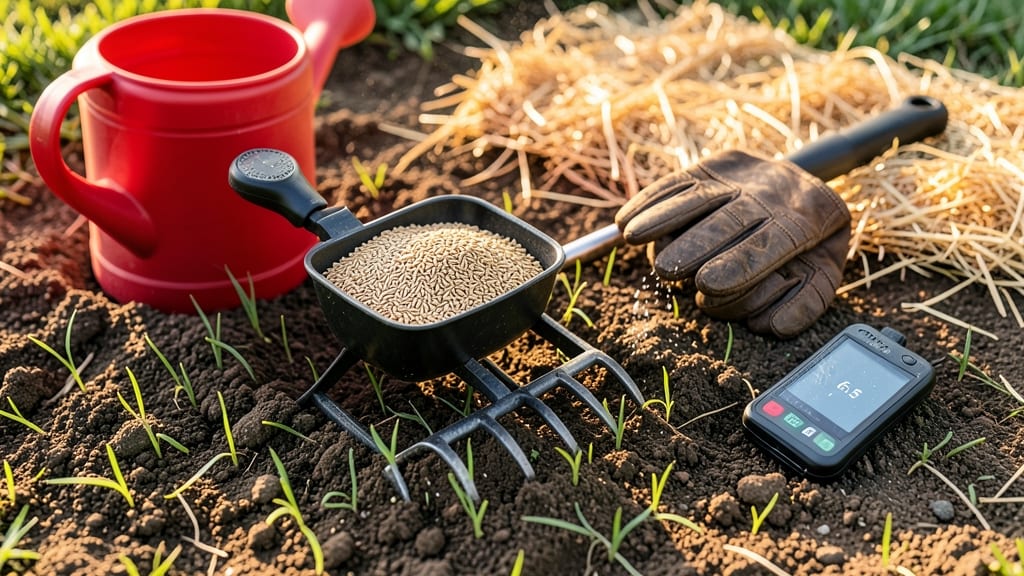
Planting grass seed in North Carolina at the right time can mean the difference between a lush, green lawn and months of patchy frustration.
If you’ve ever watched your grass struggle to take root in the heat or freeze before it could grow, you know how critical timing is. The state’s three distinct climate zones—Coastal Plain, Piedmont, and Mountains—each demand different strategies, from soil prep to watering schedules.
In this guide, I’ll break down the ideal planting months for each zone, the soil conditions that make or break germination, and how to avoid summer heat stress or early frost surprises.
You’ll learn exactly when to plant—whether it’s early spring or fall—and how to prepare your lawn for success, so you can enjoy that perfect green carpet without the guesswork.
North Carolina’s 3 climate zones & their ideal grass planting months
North Carolina’s diverse geography creates three distinct climate zones—Coastal Plain, Piedmont, and Mountains—each with unique conditions for grass seed germination. Understanding your zone’s temperature ranges, rainfall patterns, and ideal planting windows ensures your lawn thrives from the first blade.
Let’s break down the best times to plant in each region.
In the Coastal Plain (USDA Zones 8a-8b), milder winters and warmer springs mean you can start seeding as early as February, but the optimal window spans March through May.
This zone receives more rainfall, reducing irrigation needs once established. The key is avoiding summer heat stress by planting before temperatures consistently exceed 85°F.
The Piedmont region (Zones 7a-7b) offers the most flexibility, with September through October as the prime planting window. Cooler fall temperatures and adequate rainfall create perfect conditions for seed germination. Spring planting is also viable from March to early April, but watch for late frosts that can delay growth.
Mountain areas (Zones 6a-7a) have shorter growing seasons, so timing is critical. Plant in late April to early May for spring or late August to early September for fall. These zones experience earlier frosts, so avoid planting too late in the season when nights dip below 50°F.
| Zone | Ideal Planting Window | Soil Temp Range | Rainfall Needs | Key Consideration |
|---|---|---|---|---|
| Coastal Plain | March–May | 60–75°F | 1.5–2 inches/week | Avoid summer heat |
| Piedmont | September–October | 55–65°F | 1–1.5 inches/week | Cooler temps = better germination |
| Mountains | April–May or August–September | 50–60°F | 1–2 inches/week | Early frost risk |
For Coastal Plain gardeners, focus on warm-season grasses like Bermuda or Zoysia, which thrive in heat and humidity. These varieties benefit from the region’s longer growing season but require consistent moisture during establishment.
In contrast, cool-season grasses like tall fescue dominate the Piedmont and Mountains, where summer dormancy is common.
In the Piedmont, where temperatures fluctuate more dramatically, September planting often yields the best results. The soil remains warm enough for germination but cools slightly as fall progresses, reducing stress on young seedlings.
This zone’s moderate rainfall (36–50 inches annually) supports grass growth, but supplemental watering may be needed during dry spells in late summer.
Mountain regions demand precision due to their shorter growing seasons. Planting in late April ensures seeds germinate before summer’s brief heatwave, while August–September planting capitalizes on residual soil warmth. Choose drought-tolerant varieties like fine fescue to handle the region’s lower humidity and higher elevation challenges.
Regardless of zone, always test your soil temperature before planting—aim for 50–65°F for optimal germination. Use a soil thermometer to confirm readiness, especially in transitional months like March or October, when temperatures can swing unpredictably. Pro tip: Early morning planting in cooler zones helps retain moisture longer.
North Carolina’s microclimates mean your neighbor’s perfect lawn timing might not work for you. Check local NC State Extension resources or your county’s USDA Plant Hardiness Map for hyper-local advice.
With the right timing, your grass seed will sprout into a lush lawn in 14–21 days, transforming your yard from bare soil to vibrant green.
Remember, the best time to plant grass seed in North Carolina isn’t just about the calendar—it’s about understanding your zone’s unique rhythm. Whether you’re in the humid Coastal Plain, the transitional Piedmont, or the cooler Mountains, aligning your planting with nature’s cues will give your lawn the strongest start.
Happy planting! 🌱
How soil temperature and weather conditions affect grass seed germination
North Carolina’s unpredictable spring and fall weather can turn your grass seed dreams into a nightmare if you don’t account for soil temperature and precipitation patterns. Grass seeds need consistent moisture and warm soil to germinate—typically between 50–65°F.
If temperatures dip below 50°F, germination slows dramatically, while soil above 75°F can cause seeds to dry out before sprouting.
In my Piedmont region, for example, April showers often bring 1–1.5 inches of rain weekly, perfect for new seeds. But if we get a dry spell, seeds can bake in the sun.
Meanwhile, coastal areas might face humidity challenges, leading to fungal growth if water doesn’t evaporate quickly enough. Understanding these microclimate quirks is key to success.
Soil below 50°F = slow/no germination.
Soil above 75°F = seeds dry out before sprouting.
NC’s last frost (avg. March 15) isn’t always safe—check your USDA zone (6a–8a) for local variations. Use a soil thermometer to confirm readiness before planting.
For cool-season grasses like tall fescue (common in NC), aim for soil temps between 55–65°F. This usually aligns with late August to early October in most zones. Warm-season grasses like Bermuda need 70–80°F soil, so plant after May 1 when nights stay warm.
My Mountain region friends often wait until mid-May to avoid late frosts.
Rainfall is another game-changer. Grass seeds need 1–1.5 inches of water weekly for the first 4–6 weeks after planting. If natural rain falls short, use a sprinkler system to keep soil moist but not soggy.
Overwatering can suffocate seeds, while underwatering leads to crusting—a hard top layer that blocks sprouts. I’ve seen new lawns fail because homeowners assumed "more water = better," but consistency matters more.
If NC’s weather throws off your schedule, don’t panic. For example, if September rains delay planting, shift to early October but use a lightweight straw mulch to retain moisture.
Alternatively, overseed in spring (March–April) if fall planting slips. Just monitor your soil temperature daily—a soil thermometer is your best friend here.
Pro tip: Pair your planting with light fertilization (like a starter fertilizer) to give seeds a nutrient boost. But skip heavy feeding—too much can burn tender sprouts.
Instead, focus on consistent watering and shade cloth if summer heat arrives early. Patience is key: germination takes 7–21 days, depending on grass type and conditions.
Remember, NC’s climate zones create unique challenges. Coastal areas may need earlier fall planting to avoid hurricanes, while the Mountains can have cooler soils that delay germination.
Always check local weather forecasts and adjust your timeline accordingly. With the right prep, you’ll have a lush, even lawn in no time—no patchy surprises! 🌱