
Lawn
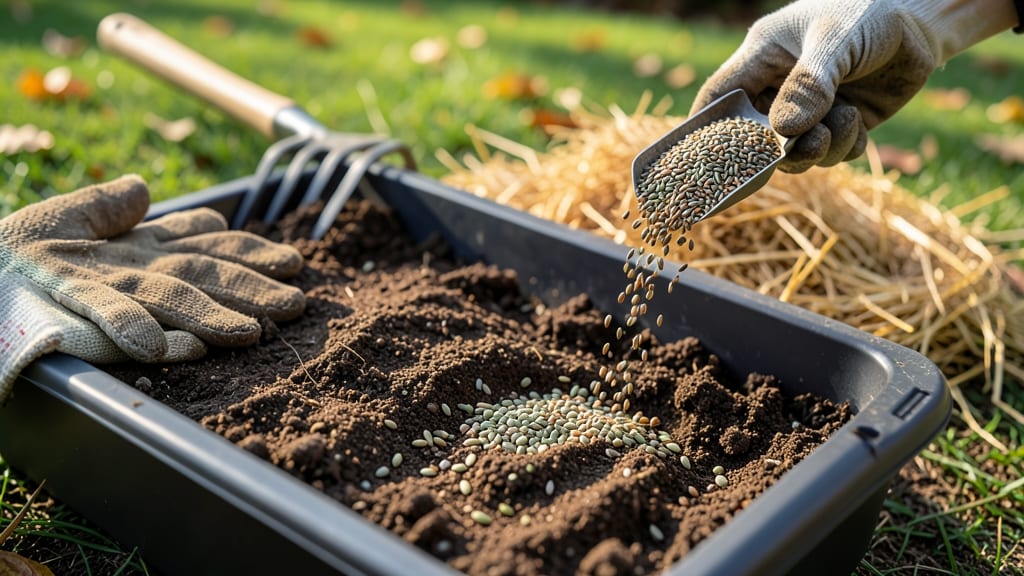
Planting grass seed in autumn means a lush lawn next spring—if you hit the frost-proof deadline for your zone. I’ve learned the hard way that waiting too late means winter kills your tender seedlings, while starting too early risks heat stress.
The secret? Timing it right when soil stays warm but air cools—usually 4-6 weeks before first frost. The magic happens in fall because cooler temps help seeds germinate without drying out, and fewer weeds compete for space.
You’ll need a rake, some compost, and the right seed blend for your climate—cool-season grasses like fescue or ryegrass thrive here. Spread seed evenly, then keep soil moist (not soggy) until sprouts appear in 10-21 days.
By winter, you’ll have a dense root system ready to explode in spring growth. The key is patience—avoid walking on new grass until it’s 3-4 inches tall, and don’t fertilize until next season. This method works in zones 3-9, with adjustments for drought or heavy rain areas.
For exact deadlines, check your zone’s first frost date and count backward. My lawn went from patchy to picture-perfect after switching to fall planting—now it’s the envy of the neighborhood. Let’s get those seeds in the ground!
📚 In This Guide
- What you need
- Instructions
- Tips and common mistakes
- Wrapping up and next steps
What you need
- ● Grass seed: Choose a cool-season variety (e.g., Kentucky bluegrass, fescue, or ryegrass) suited to your USDA hardiness zone. Quantity depends on lawn size—aim for 8–12 lbs per 1,000 sq ft for overseeding or 5–10 lbs per 1,000 sq ft for patching.
- ● Lawn fertilizer: A high-phosphorus blend (e.g., 5-10-10 or 6-24-12) to promote root growth. Use ½ lb of nitrogen per 1,000 sq ft at planting.
- ● Topsoil or compost: ¼–½ inch layer for overseeding to improve seed-to-soil contact.
- ● Rake: A bow rake (for debris) and a garden rake (for leveling soil).
- ● Broadcast spreader: For even seed distribution (manual or drop-type).
- ● Water source: Hose with a gentle sprinkler head or soaker hose for consistent moisture.
- ● Straw or mulch: ¼–½ inch layer to retain moisture (avoid thick layers that suffocate seeds).
- ● Soil test kit: Check pH and nutrient levels (ideal pH: 6.0–7.0 for cool-season grasses).
- ● Pre-emergent herbicide: Apply 4–6 weeks before seeding to prevent weed competition.
- ● Lawn roller: Lightly compact soil after seeding for better seed-to-soil contact.
- ● Seed germination blanket: Temporary biodegradable mesh to protect seeds from birds and erosion.
- ● Garden gloves & knee pads: For comfort during prep work.
Instructions for autumn grass seed planting by zone
Timing matters most in fall lawns—here's how to plant for strong roots before winter.
Test Soil and Choose the Right Seed
Autumn planting works best when soil temperatures hover between 60-75°F—this varies by zone. Test your soil's pH (ideal is 6.0-7.0) and adjust with lime or sulfur if needed. Cool-season grasses like Kentucky bluegrass and fescue thrive in fall, while warm-season grasses like Bermuda need spring planting. Match your seed to your climate zone for best results.
For a 4,000 sq ft lawn, you'll need about 12-15 lbs of seed. Spread evenly using a broadcast spreader for uniform coverage. Thin areas may need slightly more seed to fill gaps. Avoid planting when frost is forecast within 48 hours—new seedlings won't survive cold ground.
Prepare the Soil Before Planting
Rake the existing lawn to remove debris and loosen the top ¼ inch of soil. This creates a fine seedbed where grass can establish roots. If your soil is compacted, aerate first using a core aerator to create ½-inch deep holes every 2-3 inches. This improves water and nutrient penetration for new seedlings.
Work in a ¼ inch of compost or starter fertilizer (high in phosphorus) to encourage root development. Lightly rake again to blend it in. Avoid heavy tilling—you only want to disturb the top layer where seeds will germinate. The goal is a smooth, slightly rough surface that holds seed but doesn't bury it too deep.
Plant Seed at the Correct Depth and Water
Spread the seed evenly using a broadcast spreader, working in two directions for full coverage. For most grasses, seeds should be planted ¼ inch deep. Lightly rake again to ensure good seed-to-soil contact without burying them. Too-deep planting delays germination because seedlings struggle to reach light.
Water immediately after planting to settle the seed into the soil. Keep the top 1 inch of soil consistently moist (not soggy) for the first 2-3 weeks. Use a gentle misting setting on your hose or sprinkler to avoid washing seeds away. You'll know moisture is right when the soil surface looks slightly damp but doesn't glisten.
Monitor Growth and Adjust Care
Seedlings typically emerge in 7-21 days, depending on temperature and moisture. Once you see 2-3 inches of new growth, reduce watering slightly but keep the soil moist. Avoid walking on new grass—it's delicate until roots establish. Mow when the grass reaches 3-4 inches tall, then maintain at 2-3 inches for a healthy lawn.
Apply a light nitrogen fertilizer 6-8 weeks after planting to support growth without burning tender new roots. In zones with early frost, plan to overseed again next spring if winter kill occurs. The key to autumn planting is giving seedlings time to develop strong roots before winter dormancy sets in.
Tips & tricks for perfect autumn grass seed planting
Fall planting success comes down to timing, soil prep, and consistent care—here's how to avoid the most common mistakes.
Soil Temperature Check: The 60-75°F soil temperature range is your sweet spot for autumn planting. Use a soil thermometer to verify—cool-season grasses like Kentucky bluegrass and fescue need those warm-ish soils to germinate properly. If your zone runs cooler, plant slightly earlier in the season to maximize growth before winter. I've seen seedlings struggle when planted too late in zones where temperatures dip below 60°F within weeks.
Seed Quantity Strategy: For that 4,000 sq ft lawn, don't skimp on the 12-15 lbs of seed—thin areas often need 20-30% more coverage. I learned this the hard way when patches remained bare after planting. Spread half the seed in one direction, then the other half perpendicular for even distribution. A broadcast spreader makes this easier, but even a hand spreader works if you take your time.
Watering Wisdom: Those first 2-3 weeks of consistent moisture are critical. I recommend setting up a gentle sprinkler on a timer for 10-15 minutes twice daily rather than relying on rainfall. The soil should feel like a damp sponge—not wet or muddy. Too much water can suffocate seeds, while too little causes them to dry out before germination.
Frost Forecast Rescue: If frost is forecast within 48 hours after planting, cover the area with frost cloth or old blankets. This creates a microclimate that protects tender seedlings. Remove the cover during the day to allow sunlight. I've saved multiple plantings this way when late-season frosts snuck up unexpectedly.
Pro Tips for Grass Seed Autumn
- Fall planting success comes down to timing, soil prep, and consistent care—here's how to avoid the most common mistakes.
- Soil Temperature Check: The 60-75°F soil temperature range is your sweet spot for autumn planting.
- Seed Quantity Strategy: For that 4,000 sq ft lawn, don't skimp on the 12-15 lbs of seed—thin areas often need 20-30% more coverage.
Frequently asked questions
Got questions about planting grass seed in autumn? You’re not alone! Here are some of the most common concerns—plus quick, practical answers to help you nail your lawn project.
When is the exact best time to plant grass seed in autumn?
The ideal window is 4–6 weeks before your first hard frost—typically late August to early October in most U.S. zones. For example, Zone 5 should aim for mid-September, while Zone 8 can extend to November. Check your local frost date guide to time it perfectly!
Can I still plant grass seed if frost hits?
Not ideal! Grass seed needs 4–6 weeks of warm soil (60°F+) to germinate. If frost arrives, wait until spring—just know cool-season grasses (like fescue or ryegrass) can handle light frost after sprouting. Warm-season grasses (like Bermuda) won’t survive any frost.
Is autumn seeding cheaper than spring?
Yes! Seed and fertilizer prices drop in autumn because fewer people plant then. Plus, you’ll avoid spring’s weed competition and drought stress. Pro tip: Buy seed in bulk now—stores often discount late-season stock to clear inventory!
What’s the easiest grass type for autumn planting?
For beginners, tall fescue and fine fescue (cool-season) are forgiving and drought-tolerant. If you’re in a warm climate, ryegrass germinates fast but needs winter care. Avoid Bermuda or zoysia—they’re spring/summer stars only!
Why did my grass seed fail to grow last autumn?
Common culprits:
- Planting too late (frost killed sprouts)
- Poor soil prep (no tilling or weed control)
- Inconsistent watering (dry spells or overwatering)
- Wrong seed type (warm-season grass in cold zones)
Fix it this year by testing soil pH (ideal: 6.0–7.0) and using a starter fertilizer with phosphorus!
Wrapping up and next steps
Autumn is your golden window to grow a thicker, greener lawn—but timing is everything! Planting grass seed before the first hard frost ensures strong roots and a lush spring awakening.
Whether you’re in Zone 3 or 10, follow your local frost dates, prep the soil, and choose the right seed blend for a flawless finish. 🌱
Ready to transform your yard? Grab your tools, mark your calendar, and start planting before the weather turns. Your future lawn will thank you!