
Planting
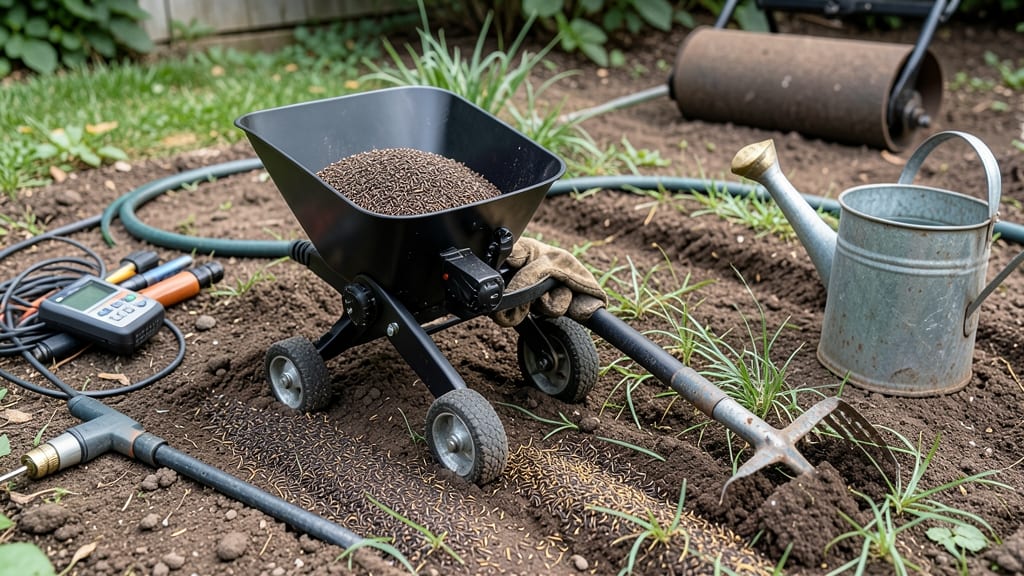
Planting grass seed in North Carolina at the right time means the difference between a fast, lush lawn and months of frustration.
Picture this: you’ve spent hours spreading seed, only to watch it bake under July sun or freeze before it even sprouts. That’s why timing isn’t just about months—it’s about soil temperature, rainfall, and even your hardiness zone.
In 6a-8b zones, the best windows are early spring (March–April) or late summer (August–September), when moisture stays consistent and temperatures hover in the 50–65°F range.
Below, I’ll break down the exact months for your region, how to check soil readiness, and the top 5 mistakes that kill germination before it starts.
Best planting months in North Carolina by soil temperature for fast germination
North Carolina’s diverse climate—from the humid coastal plains to the cooler mountain regions—means your grass seed germination success hinges on soil temperature more than just calendar months. For optimal results, aim for soil temps between 50°F and 65°F, where most grass types sprout reliably.
Cool-season grasses like tall fescue and Kentucky bluegrass thrive in these conditions, while warm-season varieties like Bermuda and Zoysia prefer warmer soil (70°F+).
Timing matters because slow germination in cold soil or seed dormancy in extreme heat both waste your investment. In North Carolina, the best planting windows align with early spring (March–April) and late summer/early fall (August–September).
These periods offer the perfect balance of soil warmth, moderate rainfall, and fewer weeds competing with your seedlings.
Here’s how regional differences affect your schedule:
Coastal NC (Zones 8a–8b): Warmer soil earlier—plant February–March for spring or September–October for fall. The humid subtropical climate keeps soil moist longer, but watch for fungal diseases in prolonged dampness.
Piedmont NC (Zones 7a–7b): The sweet spot is March–April (spring) or August–September (fall). Soil warms faster than the mountains but cools quicker in fall, so act fast.
Mountain NC (Zones 6a–6b): Wait until late April–May for spring or July–August for fall. Cooler nights and higher elevations delay soil warming, but the lower humidity reduces disease risk.
| Region | Best Planting Window | Ideal Soil Temp (°F) | Grass Types | Key Consideration |
|---|---|---|---|---|
| Coastal NC | Feb–Mar (spring) / Sep–Oct (fall) | 55–65°F | Tall fescue, Bermuda | Humidity risks fungal growth |
| Piedmont NC | Mar–Apr (spring) / Aug–Sep (fall) | 50–60°F | Kentucky bluegrass, Zoysia | Moderate temps, less disease |
| Mountain NC | Late Apr–May (spring) / Jul–Aug (fall) | 55–65°F | Fine fescue, Ryegrass | Cooler soil, shorter growing season |
Cool-season grasses like tall fescue and ryegrass dominate North Carolina lawns because they establish quickly in 50–60°F soil and handle our humid summers better than warm-season types.
For fast germination, plant when daytime highs are 70–80°F but nights dip below 60°F—this signals your grass it’s time to grow without stress.
Warm-season grasses like Bermuda and Zoysia prefer soil temps above 70°F, making late summer (August) their ideal window. These grasses go dormant in winter, so planting in fall gives them time to establish roots before cold sets in.
Avoid planting in extreme heat (above 90°F), as seeds dry out before sprouting.
Pro tip: Use a soil thermometer ($10 at garden centers) to check depth (1 inch down). If temps are below 50°F, wait—cold soil slows germination by 50% or more. If temps are above 70°F for warm-season grass, proceed; for cool-season, 65°F is the max to avoid heat stress.
Regional rainfall also plays a role. The coastal plain gets steady rain, while the mountains may need supplemental watering. Always water deeply 2x daily for the first 2 weeks after planting to keep soil moist but not soggy. A light mulch (straw) helps retain moisture and regulate soil temp.
Missed the spring window? Don’t panic—fall planting often yields thicker lawns because cool temps reduce weed competition. Just aim to finish by early October in the Piedmont or mid-October in coastal areas to allow 4–6 weeks of growth before winter slows things down.
Remember: Soil temperature > calendar months. Even if it’s "spring," if your soil is still below 50°F, germination will be sluggish. Use this guide to match your region, grass type, and current soil conditions for a lush lawn in 6–8 weeks—not months of patchy regrowth. 🌱
How to check soil temperature and adjust planting for North Carolina’s climate zones
North Carolina’s diverse climate—from the coastal plains to the mountainous west—means soil temperatures vary dramatically. For cool-season grasses like fescue, ideal germination occurs at 50–65°F, while warm-season grasses like Bermuda thrive at 70–85°F. Without testing, you might plant too early or late, risking seed rot or dormancy.
I’ve learned the hard way that guessing soil temperature leads to wasted seed. In my Piedmont garden, I once planted tall fescue in May when the soil was still 48°F—the seeds barely sprouted.
Since then, I’ve relied on a soil thermometer and NC State Extension data to fine-tune my schedule. Here’s how you can do the same.
North Carolina’s microclimates can trick you. A shaded yard may stay 10°F cooler than a sun-baked urban lawn. If your soil thermometer reads below 50°F in spring or above 85°F in summer, delay planting—even if the air feels mild. Use a minimum 6-inch depth reading for accuracy.
To check soil temperature, insert a soil thermometer (digital or analog) 2–4 inches deep—the depth where most grass seeds germinate. Take readings at 10 AM for consistency, as temps fluctuate daily.
For a DIY method, bury a thermometer in a coffee can or use a moisture meter with temperature readings.
NC State Extension provides free climate zone maps that adjust planting windows by region. For example, Asheville’s Zone 7b has a later last frost (April 15) than Wilmington’s Zone 8a (March 1).
Cross-reference your soil temp with these maps: if your Piedmont soil hits 60°F by April 1, it’s safe for cool-season grass, but mountain areas may need to wait until May.
Adjust for microclimates like urban heat islands or shaded yards. A south-facing lawn can be 10–15°F warmer than a north-facing one. If your yard has partial shade, opt for shade-tolerant grasses like fine fescue and plant in early fall when soil cools slightly.
For high-altitude areas (e.g., Boone), delay until soil reaches 55°F—cold nights can stall germination.
Pro tip: Water your soil the day before testing—moist soil conducts heat differently. If your readings are too cold, mulch with straw to warm the soil 2–5°F faster. For too-hot soil, shade the area with burlap or plant in late afternoon when temps drop.
With these adjustments, your grass seed will germinate within 7–14 days, not months later.