
Plants
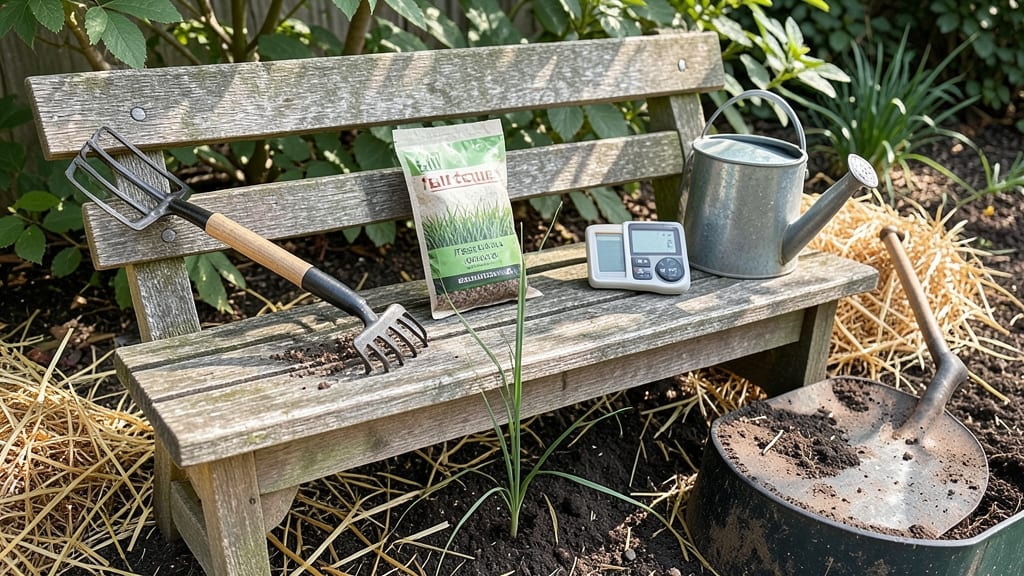
Planting fescue grass seed in Tennessee at the wrong time can mean the difference between a lush lawn and wasted effort, especially in Zones 7a and 7b where frost arrives earlier than you might expect.
If you’ve ever spread seed in late summer only to watch it bake under 90°F heat or plant too late in fall and get frost-killed sprouts, you know timing is everything.
The 4-6 week window before your first frost is critical, but Tennessee’s microclimates mean your neighbor’s perfect schedule might not work for you.
This guide breaks down the exact weeks to plant in your specific zone, how to adjust for heatwaves or early frosts, and which fescue varieties handle timing differences best. No more guessing—just data-driven planting for a thicker, greener lawn next season.
You’ll learn how to use soil thermometers, when to shift dates based on weather patterns, and why early fall often outperforms spring in Tennessee’s climate. Let’s get your lawn off to the right start.
Best planting windows for fescue grass in TN zones 7a & 7b
Timing is everything when planting fescue grass seed in Tennessee's Zone 7a and 7b. Since fescue is a cool-season grass, it thrives when soil temperatures hover between 55°F and 65°F.
Planting outside these conditions risks poor germination or seedling stress. For Tennessee, this means two ideal windows: late summer (August) and early fall (September).
Zone 7a's first frost typically arrives 4-6 weeks earlier than Zone 7b's, so adjust your planting dates accordingly. In Zone 7a, aim to finish planting by mid-September to give seedlings time to establish before winter.
Zone 7b gardeners have until late September or early October for fall planting. Both zones can also plant in late winter (February) for spring growth.
Here's your exact planting timeline for Tennessee's fescue grass:
| Planting Window | Zone 7a Deadline | Zone 7b Deadline | Soil Temp Range | Key Consideration |
|---|---|---|---|---|
| Early Fall | August 15 - September 15 | August 15 - October 1 | 55°F - 65°F | Avoid summer heat stress |
| Late Summer | July 15 - August 15 | July 15 - August 31 | 65°F - 75°F (cool evenings) | Water deeply daily |
| Late Winter | February 15 - March 15 | February 15 - March 31 | 45°F - 55°F | Prevent spring frost damage |
For Zone 7a gardeners, the critical window is 4-6 weeks before first frost, typically around September 15. If you plant after this date, seedlings may not establish strong roots before winter dormancy.
In Zone 7b, you have slightly more flexibility until early October, but don't wait too long—cool nights in October can slow germination.
I recommend using a soil thermometer to verify conditions before planting. Fescue seeds need consistent moisture and cool soil to germinate properly. If your soil stays above 70°F for more than a few days, germination rates will drop significantly.
In Tennessee's summer heat, this often happens by mid-August, making late July the last safe window for summer planting.
Another key factor is daylength. Fescue responds well to Tennessee's shorter fall days, which trigger natural growth hormones. Planting in September gives your grass 6-8 weeks of ideal conditions before winter slows growth.
This timing also helps fescue outcompete weeds, which struggle in cooler temperatures. For best results, aim to complete planting by mid-October at the latest in Zone 7b.
If you're establishing a new lawn, consider overseeding in early spring (March) for Zone 7a or late March for Zone 7b. Spring planting takes advantage of Tennessee's warming soil and increasing daylight, which accelerate germination.
However, spring planting requires consistent watering to prevent drought stress as temperatures rise. I've found that drip irrigation systems work best for maintaining moisture during this critical period.
For repairing existing lawns, fall planting is ideal because fescue establishes 2-3 times faster in cool weather. The grass can develop a strong root system before winter, making it more resilient to Tennessee's hot summers.
If you're in a shady area, fall planting gives fescue the best chance to thrive—it handles shade better than warm-season grasses but still needs at least 4 hours of sunlight daily for optimal growth.
Pro tip: If you're unsure about your exact frost dates, check the Tennessee State University Extension frost maps or use local weather apps. In my experience, Nashville (Zone 7a) typically gets frost by November 10, while Chattanooga (Zone 7b) can wait until November 25.
Adjust your planting by 6 weeks before these dates for best results. 🌱
How to adjust planting timing based on TN weather patterns
Tennessee’s unpredictable weather—from sudden heatwaves to early frosts—can throw off even the best-laid planting plans. If your soil thermometer shows temperatures above 85°F during summer, fescue seeds will bake before germinating, while a premature frost in October can kill tender sprouts.
Adjusting your schedule based on real-time conditions is the key to success.
Microclimates play a huge role too. A shady backyard in Nashville might stay cooler than a sun-baked slope in Chattanooga, allowing for later planting. Pay attention to local weather forecasts and historical data—your county extension office can provide frost-free date averages tailored to your exact location.
Here’s how to shift your planting timeline when Tennessee’s weather throws curveballs:
⚠️ Heatwave Warning
If daytime temps exceed 90°F: Skip summer planting entirely. Fescue seeds need 55-65°F soil temps to germinate—any hotter, and they’ll dry out before sprouting. Wait until late August when nights cool down.
Signs it’s too hot: Soil feels like a hot griddle, afternoon humidity drops below 40%, or your soil thermometer reads above 75°F at 2 PM.
For early frosts, monitor the 10-day forecast in September. If frost is predicted within 4 weeks of your planned planting date, shift to late summer (mid-August) instead. Use row covers or a lightweight tarp to protect young seedlings if frost sneaks in early.
Local microclimates can extend your planting window by 2-3 weeks. For example, valleys and low-lying areas often frost earlier than hilltops.
If you’re unsure, test your yard’s frost risk by placing a frost-sensitive plant (like basil) in different spots for a week—where it survives longest is your safest planting zone.
Pro tip: Use a soil thermometer to confirm conditions. Plant only when soil temps stay between 55-65°F for at least 5 days in a row. In Zone 7a, this usually means mid-August to early September, while Zone 7b can stretch into late September.
By adjusting for heat, frost, and microclimates, you’ll avoid the heartbreak of wasted seed and give your fescue the best shot at thriving. Next time Tennessee’s weather surprises you, you’ll be ready to pivot—and your lawn will thank you.