
Plants
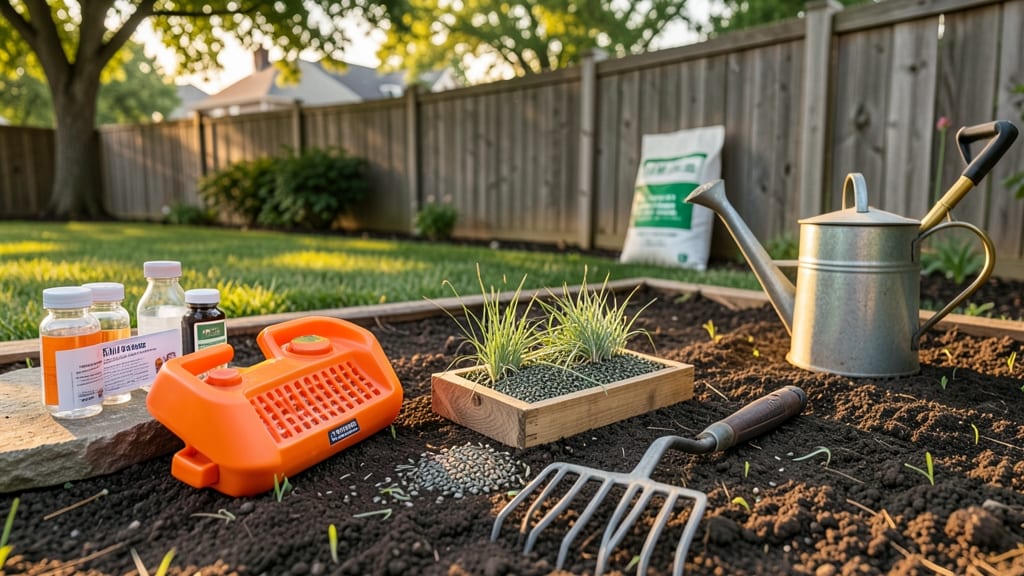
Planting grass seed in Tennessee at the right time means the difference between a lush lawn and a patchy, weed-filled disappointment.
Tennessee’s unpredictable spring and fall weather can make timing your grass seed planting critical—plant too early and frost kills seedlings, too late and weeds take over.
For Zones 6B-7A, the ideal windows are early spring (March-April) for cool-season grasses like Tall Fescue and early fall (August-September) for warm-season types like Bermuda.
These periods align with soil temperatures and rainfall patterns that give your 🌱 the best chance to establish strong roots before summer heat or winter dormancy sets in.
Below, I break down the exact deadlines by region, soil prep secrets to outsmart weeds, and how to tell when your lawn is truly ready to thrive.
Best planting windows for Tennessee grass seed (zone 6B-7A)
Timing your grass seed planting in Tennessee is all about avoiding the danger zone between late frosts and summer heat. In Zone 6B-7A, cool-season grasses like tall fescue and Kentucky bluegrass need soil temps between 50-65°F, while warm-season types like Bermuda and Zoysia thrive in 65-75°F ranges.
Missing these windows means weaker germination or weed domination.
Spring planting in Tennessee starts 4-6 weeks before your last frost date (typically mid-March), but don't wait until April 15—soil warms too fast. Fall offers a 6-week window from mid-August to early October, when daytime temps stay above 70°F but nights cool. This ideal overlap gives seedlings perfect conditions.
Here’s the critical timeline for Tennessee’s two planting seasons, including frost risk analysis and soil temperature thresholds to maximize your lawn’s success.
🌱 PRO TIP: Use a soil thermometer ($10 at garden centers) to verify temps—surface readings can be misleading. Aim for consistent 60°F+ for 5+ days before planting warm-season seed.
For cool-season grasses, I recommend planting in early September—this gives seedlings 6-8 weeks of growth before winter dormancy. The ideal soil temp is 60°F, which Tennessee typically hits by late August.
If you plant after September 30, seedlings may not establish strong roots before first frosts (usually November 15).
Warm-season grasses like Bermuda and Zoysia need consistent warmth, so aim for late April to early May. Planting before April 15 risks late frosts, while waiting until June means seedlings struggle in summer heat. Soil temps above 75°F can actually inhibit germination, so monitor closely.
My top pro tip: Use a lawn thermometer to check soil temps at 4-inch depth—surface temps can be misleading. If temps drop below 50°F at night, cover new seedlings with lightweight frost cloth until daytime warmth returns. This 5-minute check can save your entire lawn.
In Tennessee’s humid climate, planting too late in fall or spring also means weed competition from crabgrass and clover. These weeds germinate when soil temps hit 55°F—right when cool-season grasses sprout. To outcompete them, plant 2-3 weeks before their germination window (mid-March for spring, mid-August for fall).
For shady lawns (common in East Tennessee), stick to cool-season grasses like fine fescue and plant in fall only. Spring planting in shade often fails because moisture evaporates faster in Tennessee’s
How to prepare your Tennessee lawn for fall vs. spring planting
Tennessee’s humid subtropical climate demands precise lawn prep to ensure grass seed thrives. Whether you’re planting in spring or fall, the key lies in soil preparation, weed control, and adjusting for microclimates like shady spots or slopes.
Spring prep focuses on revitalizing soil after winter, while fall prep prioritizes root establishment before winter dormancy.
For both seasons, start by testing your soil pH—ideal levels for most Tennessee grasses are 6.0-7.0. If your soil is too acidic, add lime in spring or pelletized gypsum in fall to adjust.
Weeds like crabgrass and dandelions thrive in disturbed soil, so timing your prep is critical to outsmart them.
Now, let’s compare the pros and cons of fall vs. spring planting prep to help you decide which season aligns best with your lawn goals.
Fall vs. Spring Lawn Prep in Tennessee
- Soil Warmth: 65-75°F encourages deep root growth before winter.
- Weed Control: Fewer weeds compete with seedlings in late summer/early fall.
- Moisture: Cooler temps reduce evaporation, keeping soil consistently moist.
- Establishment: Grass seeds germinate and grow 4-6 weeks before frost, giving roots a head start.
- Soil Warmth: 50-65°F is ideal, but late frosts can delay germination.
- Weed Pressure: Weeds like crabgrass germinate early, competing with young grass.
- Moisture: Hot, dry spells in late spring can stress seedlings.
- Establishment: Grass must outpace weeds before summer heat sets in.
In spring, focus on aerating compacted soil and applying a pre-emergent herbicide 2-4 weeks before planting to block weeds. Use a core aerator to remove plugs and loosen the top 4 inches of soil, then top-dress with compost to improve fertility.
For shady areas, choose fine fescue varieties that tolerate low light.
For fall prep, prioritize overseeding in late August to early September. Rake out thatch layers thicker than ½ inch and apply a slow-release fertilizer with high phosphorus (e.g., 5-10-10) to encourage root growth.
On sloped lawns, use a starter fertilizer with hydro-mulch to prevent erosion and keep seeds in place.
Regardless of season, water deeply after planting—1-1.5 inches per week—and avoid walking on the lawn until seedlings are 2-3 inches tall. Tennessee’s humid climate can lead to fungal issues, so water in the early morning to reduce moisture on leaves.
With the right prep, your Tennessee lawn will establish a dense root system and outcompete weeds, giving you a lush, green carpet year-round. 🌱