
Size
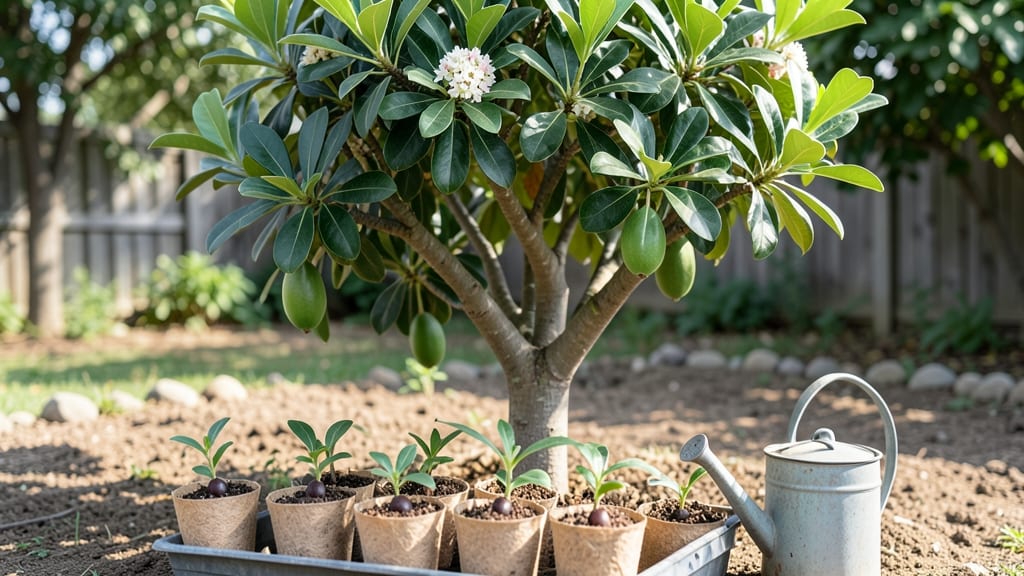
Growing feijoa from seed turns a grocery store fruit into a six-foot fruit tree in just six months—right in your garden. 🌱 The process is slower than buying a sapling, but there's nothing like watching a tree you nurtured from scratch produce those unique, guava-like fruits—even if they won't match the parent plant's flavor perfectly.
My first feijoa seedling took 45 days to crack through the soil, but once it did, growth became surprisingly fast.
The key to success lies in patience and the right conditions: warm soil, consistent moisture, and bright indirect light. You'll need a small pot, well-draining soil mix, and a little creativity to mimic the feijoa's tropical roots.
Most seeds germinate within 30-60 days, though some stubborn ones take twice as long—don't give up after two weeks! The first leaves will be tiny and delicate, but they'll harden quickly once the seedling gets its bearings.
By month six, you'll have a sturdy young tree ready for transplanting into the ground or a larger container. Feijoas thrive in full sun to partial shade and love well-drained soil—think sandy loam with a touch of compost.
The real reward comes years later when you taste your first homegrown feijoas, even if they're not quite as sweet as store-bought. The journey is what makes it special.
This method works best in USDA zones 8-11, but with proper winter protection, you can grow feijoas as far north as zone 7. If you live in a cooler climate, start seeds indoors under grow lights and keep the young tree sheltered until it's established.
The payoff? A unique, low-maintenance fruit tree that'll have your neighbors asking how you did it.
📚 In This Guide
- What you need
- Instructions
- Tips and common mistakes
- Wrapping up and next steps
What you need
- ● Feijoa seeds: 3–5 fresh, plump seeds (harvested from ripe feijoa fruit). Pro tip: 💡 Store them in a damp paper towel in the fridge for 2–4 weeks to break dormancy before planting!
- ● Seed-starting mix: 1 small tray (4–6 inches deep) filled with sterile, well-draining potting soil (or a 50/50 mix of peat moss and perlite).
- ● Containers: 3–5 small pots (3–4 inches wide) with drainage holes or a seed tray with individual cells.
- ● Watering can or spray bottle: With a fine mist setting to keep soil moist without drowning seeds.
- ○ Plastic wrap or clear lid: To create a mini greenhouse effect (optional but helpful for humidity).
- ● Grow lights or sunny windowsill: A spot with 6–8 hours of indirect light daily (south-facing window or LED grow lights work great).
- ● Heat mat: Set to 70–75°F (21–24°C) to speed up germination (feijoa seeds love warmth!).
- ● Humidity dome: Keeps moisture levels high for faster sprouting.
- ● Fertilizer: A balanced, water-soluble fertilizer (5-5-5 or 10-10-10) diluted to half-strength once seedlings have 2–3 true leaves.
- ● Tweezers: For gently handling tiny seeds or seedlings.
- ● Labeled plant markers: To track seed varieties if growing multiple types.
Step-by-step instructions for germinating and growing feijoa trees from seed
Here's how I've successfully grown feijoa trees from seed—it's a rewarding process that yields a unique tropical fruit.
🌱 Step 1: Harvest and Prepare the Seeds
Extract seeds from ripe feijoa fruit by slicing it open and scooping out the jelly-like pulp. Rinse the seeds under cool water to remove any remaining fruit residue, then let them air-dry for 24 hours on a paper towel. This prevents mold and makes handling easier.
I like to store the dried seeds in a sealed container in the fridge for 2-3 weeks to break their dormancy. This cold treatment mimics winter conditions and tricks the seeds into germinating. Don't skip this step—feijoa seeds often need this chilling period to break free from their natural growth inhibitors.
🌱 Step 2: Plant the Seeds in a Germination Medium
Fill small pots or seed trays with a mix of 50% peat moss and 50% perlite—this light, airy blend prevents rot while holding enough moisture. Plant each seed about ½ inch deep, spacing them 1 inch apart in the container. Gently press the soil around them to ensure good contact.
Cover the pots with plastic wrap or a humidity dome to create a warm, moist environment. Place them in a spot with 70-75°F temperatures—under a heat mat or near a warm appliance works well. Keep the soil consistently moist but never soggy, checking daily for condensation on the plastic.
🌱 Step 3: Wait for Germination and Transplant Seedlings
Germination can take 4-8 weeks, so patience is key. You'll know it's happening when you see tiny green shoots pushing through the soil. Once the seedlings reach 2-3 inches tall and have developed their first true leaves, it's time to transplant them into individual pots.
Use 4-inch pots filled with a well-draining potting mix. Gently remove each seedling, keeping the root ball intact, and plant it at the same depth it was growing before. Water lightly after transplanting to help the roots settle. Place the pots in bright, indirect light for the first week to reduce stress.
☀️ Step 4: Provide Optimal Light and Care
Feijoa seedlings need bright light to grow strong, but avoid direct sun until they're established. Gradually introduce them to morning sun over 2 weeks, then move them to a spot with 6+ hours of filtered sunlight daily. A south-facing window or a grow light works well for indoor growing.
Water when the top inch of soil feels dry, but avoid letting the roots sit in water. Feijoas are drought-tolerant once mature, but seedlings need consistent moisture. Fertilize lightly every 4-6 weeks with a balanced, water-soluble fertilizer to encourage steady growth.
⏰ Step 5: Harden Off and Prepare for Outdoor Planting
After 6 months, your feijoa seedlings should be sturdy enough to handle outdoor conditions. Start hardening them off by placing them outside in a sheltered spot for 1-2 hours the first day, gradually increasing their time outdoors over 2 weeks. This helps them adjust to wind and temperature fluctuations.
Choose a permanent outdoor spot with full sun to partial shade and well-draining soil. Feijoas thrive in USDA zones 8-11, so if you live in a colder climate, grow them in containers that can be moved indoors during winter. Plant in early spring for the best results, and water deeply after transplanting to help roots establish.
Tips & tricks for growing feijoa trees from seed
Growing feijoa trees from seed takes patience, but these simple tricks will help you avoid common pitfalls and set your seedlings up for success.
Seed Selection: Choose seeds from the ripest feijoa fruits you can find—they'll have the highest germination rates. I always test a few seeds first to see which ones sprout fastest. If your seeds feel soft or mushy when squeezed, they're not ready; wait for fully ripe fruit with firm seeds inside.
Germination Environment: The 70-75°F temperature range is crucial for breaking dormancy, but consistency matters more than exact degrees. If your home runs cooler, place the pots on a seedling heat mat set to 75°F. Watch for condensation on the plastic wrap daily—this tells you the humidity is perfect. Too much condensation means you need better airflow.
Transplanting Technique: When moving seedlings to 4-inch pots, I always use the "root ball method"—gently squeeze the sides of the small pot to encourage roots to stay intact. This minimizes transplant shock. Water lightly after planting, but don't soak the soil—feijoa roots are sensitive to overwatering at this stage.
Light Transition: The 2-week gradual introduction to morning sun is key for preventing leaf burn. Start with just 30 minutes of morning sun on day one, then add 15 minutes each subsequent day. You'll notice the leaves develop a deeper green color as they acclimate—this is your sign they're ready for more direct light.
Pro Tips for Feijoa Seed Grow A Garden
- Growing feijoa trees from seed takes patience, but these simple tricks will help you avoid common pitfalls and set your seedlings up for success.
- Seed Selection: Choose seeds from the ripest feijoa fruits you can find—they'll have the highest germination rates.
- Germination Environment: The 70-75°F temperature range is crucial for breaking dormancy, but consistency matters more than exact degrees.
Frequently asked questions
Got questions about growing feijoa from seed? You’re not alone!
Here are some of the most common concerns—and their answers—to help you cultivate a thriving feijoa tree with confidence.
How long does it take for feijoa seeds to germinate?
Feijoa seeds can take anywhere from 2 weeks to 6 months to sprout, depending on temperature and moisture. Most germinate within 4–8 weeks if kept in a warm (70–80°F), humid environment. Patience is key—don’t disturb the soil while waiting!
What’s the best temperature for germinating feijoa seeds?
Ideal germination temperatures range between 70–80°F (21–27°C). Use a seedling heat mat or place them near a sunny window. If your home is cooler, consider a mini greenhouse or propagator to speed up the process.
Can I grow a feijoa tree from store-bought fruit?
Yes! Just save the seeds from ripe feijoas (clean and dry them first). However, seed-grown trees may not produce fruit identical to the parent plant—expect variations in size, flavor, or hardiness. For consistent results, grafted nursery trees are better.
Why aren’t my feijoa seeds sprouting?
Common culprits include too-cold temperatures, damp (but not soggy) soil, or old/damaged seeds. Try soaking seeds in warm water for 24 hours before replanting, or test viability by scratching the seed coat—if it’s hard and unbroken, it may still be viable.
How do I transplant a young feijoa seedling outdoors?
Wait until the seedling has 3–4 true leaves and is at least 3–4 inches tall. Acclimate it to outdoor conditions over 1–2 weeks (gradually increase sunlight exposure). Plant in well-draining soil, and protect it from strong winds until established.
Wrapping up and next steps
Growing a feijoa tree from seed is a rewarding journey that blends patience with the joy of nurturing life! With the right soil, sunlight, and care, you’ll watch tiny seeds transform into a thriving fruit tree in just 6 months.
Whether you’re a beginner or a seasoned gardener, this process is a fun way to connect with nature—and maybe even enjoy homegrown feijoas someday!
Ready to take the next step? Start with just one seed today, and let your green thumb shine! 🌱💚