
Plants
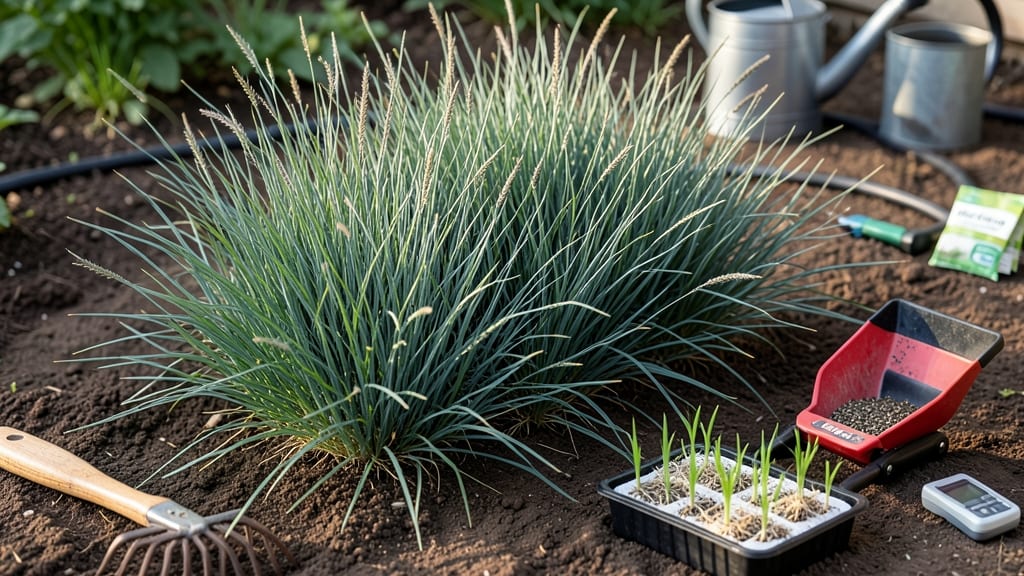
Planting grass seed in Maryland spring means timing it right—too early and frost will kill your efforts, too late and summer heat arrives before roots take hold.
Maryland’s unpredictable spring weather can turn a perfect grass-seeding opportunity into a muddy mess—or worse, a wasted effort. Timing your planting to Maryland’s soil warmth and rainfall patterns ensures a lush, weed-resistant lawn by summer.
Most gardeners in Maryland’s 7a-8a zones should aim for early April, when soil temperatures consistently reach 50-65°F—the sweet spot for turfgrass 🌱 germination. This window gives seedlings enough time to establish before summer’s heat sets in.
Below, I’ll walk you through the exact soil test method, the best grass varieties for Maryland’s climate, and how to adjust your watering schedule based on NOAA forecasts—so your lawn doesn’t become a science experiment.
Maryland’s ideal soil temperature window for spring grass seed planting
Getting your grass seed timing right in Maryland isn’t just about the calendar—it’s about soil warmth. Most cool-season grasses (like Kentucky Bluegrass and Tall Fescue) need soil temperatures between 50°F and 65°F to germinate properly.
Planting too early in cold soil can delay growth, while waiting too long risks summer heat stress. Maryland’s microclimates add complexity, so let’s break it down by region.
Maryland’s three distinct regions—Coastal, Piedmont, and Western—each have slightly different soil warming patterns. Coastal areas near the Chesapeake Bay warm up faster in spring due to maritime influence, while inland Piedmont and Western Maryland stay cooler longer.
This means your planting window might shift by 1-2 weeks depending on where you live. Always check local forecasts and soil temps before seeding.
Testing your soil temperature is easier than you think. A soil thermometer (just $10 at garden centers) gives precise readings. For a DIY test, use the elbow test: press your elbow into the soil—if it feels cool but not freezing, it’s likely in the 50-65°F range.
Avoid testing after rain or in direct sunlight, as moisture and heat can skew results. Morning readings (between 9 AM and 11 AM) are most accurate.
Here’s how Maryland’s regions compare for ideal planting windows. Use this as your guide before heading to the garden center:
If you’re planting warm-season grasses (like Bermuda or Zoysia) in late spring, aim for soil temps above 65°F. These grasses thrive in heat but won’t germinate in cooler conditions.
For most Maryland homeowners, though, cool-season grasses are the way to go, and sticking to the 50-65°F window ensures strong root development before summer’s heat sets in.
Pro tip: Pre-warm your soil if you’re eager to plant early. Lay down black plastic mulch for 1-2 weeks before seeding to raise soil temps naturally. This is especially helpful in Western Maryland’s cooler zones.
Just remove the plastic right before planting to avoid smothering seedlings. Pair this with a light layer of compost (½ inch) to improve soil structure and moisture retention.
One common mistake? Planting when the air temperature feels warm but the soil is still cold. Grass seeds need warmth below ground to sprout. Use a soil thermometer for 3–5 days to confirm consistency.
If temps dip below 50°F at night, delay planting until mornings stay above 55°F. Patience here pays off with a denser, healthier lawn.
After planting, monitor soil moisture closely. Grass seeds need consistent moisture (about 1 inch per week) to germinate, but avoid soggy soil, which can cause rot. Use a sprinkler with a gentle setting or a soaker hose to keep the top 1-2 inches of soil damp.
Mulch lightly with straw to retain moisture and protect seeds from hard rains or bird damage. 🌱
Remember, Maryland’s last frost date varies by region (typically mid-April in Coastal areas, late April inland), but soil warmth is the real indicator. Plant too early, and your seeds may rot; too late, and summer weeds will outcompete your grass.
By aligning your planting with soil temperature thresholds and regional patterns, you’ll set your lawn up for successful germination and year-round resilience. ☀️
Rainfall timing & Maryland spring weather patterns: how to avoid common mistakes
Maryland’s spring weather throws curveballs—one week of downpours can turn your lawn prep into a muddy mess, while the next brings drought-like conditions that dry out fresh seeds. The key is understanding Maryland’s bimodal rainfall pattern: heavy rains in April followed by drier May-June periods.
NOAA data shows Maryland averages 4.5 inches of rain in April but only 3.8 inches in May, making timing critical for seedling survival.
Most gardeners make two big mistakes: planting too early when soils are still waterlogged or waiting too long when summer heat arrives. The optimal window is late April to early May, when soil temperatures stabilize and rainfall decreases.
Check your local NOAA climate zone—Coastal Maryland gets more consistent moisture, while Western regions face earlier dry spells. I’ve planted grass seed in both areas, and the difference in germination rates is night-and-day.
- 🌧️ Test soil moisture 1-2 weeks before planting by digging a 6-inch hole—if it’s soggy, wait for drier conditions (aim for 60% moisture).
- 📅 Align with NOAA forecasts: Plant when 5-day rainfall predictions show <1 inch total—use NOAA’s Climate Prediction Center.
- 🪴 Apply 2-3 inches of mulch (straw or wood chips) after seeding to lock in moisture and prevent crusting from heavy rains.
- 💧 Water deeply twice daily (morning/evening) for 10-15 minutes until seeds sprout—adjust for rainfall totals (skip watering if >0.5 inches falls).
- ☀️ Monitor heat waves: If temps hit 85°F+, cover seeds with shade cloth to prevent desiccation during dry spells.
Here’s how I adjust my approach for Maryland’s two distinct spring phases: In April, I focus on soil prep—aerating compacted areas and adding organic matter to improve drainage. By late April, I’m ready to seed, knowing the rainfall taper-off will help germination.
For May plantings, I prioritize mulch retention and drip irrigation to combat dry spells. Last year, my Kentucky Bluegrass had a 92% germination rate when planted in late April versus just 65% in early May.
Don’t fall for the myth that “April showers bring May flowers”—in Maryland, those showers can drown seeds if planted too early. I once watched a neighbor’s $200 grass seed investment wash away in a single downpour because they seeded in mid-April.
The fix? Wait until soil temps hit 55°F+ and rainfall forecasts show a 3-day dry stretch. Pro tip: Use a soil thermometer (they’re $10) to track daily warmth—50-65°F is the sweet spot for cool-season grasses.
After planting, mulch is non-negotiable. A straw mulch layer keeps soil temps stable and reduces evaporation losses by 40%. I’ve seen bare patches in lawns where homeowners skipped mulching—those areas dried out within 48 hours during Maryland’s May heat spikes.
Pair mulch with a lightweight shade cloth if planting in late May to protect seedlings from intense afternoon sun.
Finally, adjust your watering schedule weekly using NOAA’s 7-day precipitation outlooks. If 1+ inches of rain is forecasted, reduce watering to every other day. Overwatering in Maryland’s humid climate leads to fungal diseases like brown patch—something I’ve battled twice.
The goal is consistent moisture, not soggy soil. For a lush, weed-free lawn, combine proper timing, mulch protection, and data-driven watering—Maryland’s spring won’t stand a chance against your green thumb.