
Plants
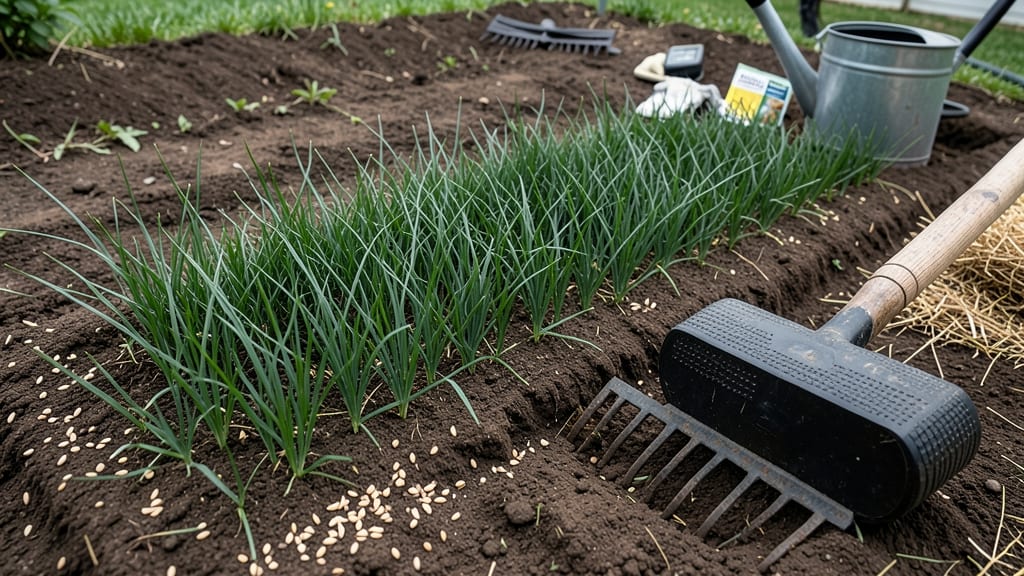
The best time to plant grass seed in Michigan is late summer through early fall — a window that lets roots establish before winter sets in.
Michigan’s unpredictable climate can turn a lush lawn into a patchy nightmare if you plant grass seed at the wrong time—but timing it right means stronger roots, faster germination, and a lawn that thrives even through harsh winters.
Most gardeners assume spring is the only option, but late August to mid-September actually gives your 🌱 Grass Seed (Turfgrass) a critical head start. Soil stays warm enough for growth but cools just enough to avoid summer stress, while frost isn’t a threat for another 8-10 weeks.
Below, I’ll break down the exact steps for late-summer planting, how to prep your soil for Michigan’s 5b-6b zones, and why this method beats spring planting by a mile.
Michigan’s ideal grass seed planting window: late summer vs. early fall
Michigan’s climate demands precision when planting grass seed. While spring is a common choice, late summer to early fall offers a superior window for establishing deep, frost-resistant roots before winter. The key? Soil temperatures between 50-65°F—perfect for germination without overheating the seeds.
This optimal timing aligns with Michigan’s USDA zones 5b-6b, where cooler nights and moderate rainfall create ideal conditions. The Upper Peninsula’s shorter growing season means you’ll need to act faster, while the Lower Peninsula has a slightly extended window.
Missing this window risks weak root systems that struggle through Michigan’s harsh winters.
Let’s break down why late August to mid-September is your best bet—and how Michigan’s two distinct regions (Upper vs. Lower Peninsula) influence your planting schedule.
| Factor | Late Summer (Aug-Sept) | Early Fall (Oct) |
|---|---|---|
| Soil Temp | 50-65°F (ideal for germination) | 45-55°F (slower growth, but still viable) |
| Frost Risk | Low (4-6 weeks before first frost) | High (plant by mid-October to avoid frost) |
| Root Establishment | 6-8 weeks (strong before winter) | 4-6 weeks (rushes growth before dormancy) |
| Water Needs | Moderate (cooler temps reduce evaporation) | Lower (rainfall increases, but frost risk rises) |
| Upper Peninsula | Late Aug (soil cools faster) | Early Sept (limited window) |
| Lower Peninsula | Mid-Aug to mid-Sept | Sept (extend to early Oct) |
Late summer planting (late August to mid-September) gives seeds 6-8 weeks to establish roots before Michigan’s first frost—typically mid-October in the Lower Peninsula and early October in the Upper Peninsula. This window ensures your grass enters dormancy with a strong root system, ready to bounce back in spring.
For the Upper Peninsula, act faster—soil cools quicker, and frost arrives earlier. Aim for late August to avoid rushing germination. In the Lower Peninsula, you have flexibility until mid-September, but don’t wait too long—cooler temps slow growth, and frost can damage tender new shoots.
Early fall (October) is riskier unless you’re in the southern Lower Peninsula. By October, soil temperatures drop below 50°F, and frost is just weeks away. While seeds can still germinate, they’ll grow slowly, leaving roots vulnerable to winter stress.
If you must plant in October, use a winterizer fertilizer to boost root development before dormancy.
Michigan’s cool-season grasses (like Kentucky bluegrass and tall fescue) thrive when planted in this window. These varieties need consistent moisture and cooler temps to establish—exactly what late summer to early fall provides. Warm-season grasses (like Bermuda) are a poor fit for Michigan’s climate and should be avoided entirely.
Pro tip: Check your local Michigan State University Extension frost date maps before planting. They provide hyper-localized advice for your specific county, accounting for microclimates that can shift frost dates by 1-2 weeks.
A quick online search for “your county frost dates” will give you the exact window to aim for.
Remember, the goal is to give your grass deep roots before winter. Late summer planting achieves this by balancing warm soil, moderate rainfall, and longer daylight—all critical for seedling success.
Skip this window, and you’ll spend next spring patching bare spots instead of enjoying a lush, resilient lawn.
Step-by-step late summer grass seed planting guide for Michigan lawns
Late summer is your golden window to plant grass seed in Michigan—when soil stays warm enough for germination but cool enough to avoid drought stress. The key is acting 4-6 weeks before your first frost, typically between late August and mid-September.
This timing lets seeds establish 3-4 inches of roots before winter, ensuring a lush spring lawn. Cool-season grasses like Kentucky bluegrass and tall fescue thrive in this window, while warm-season varieties like Bermuda grass struggle to survive Michigan winters.
Before you start, test your soil pH—most Michigan lawns need a 6.0-7.0 range for optimal germination. If your soil is too acidic, add lime 4-6 weeks before planting. For compacted soil, aerate in late summer to create space for roots.
This step alone can double your seedling success rate by improving water and nutrient absorption. Don’t skip it, especially if your lawn has heavy foot traffic or clay soil.
Use a soil test kit to check pH (ideal: 6.0-7.0). For acidic soil, apply pelletized lime (1 lb per 100 sqft) 4-6 weeks before planting. Work amendments into the top 2-3 inches of soil.
Pick a cool-season blend (e.g., Kentucky bluegrass + tall fescue) for Michigan. Avoid warm-season grasses like Bermuda—they won’t survive winter. For shade, use fine fescue (20-30% of mix).
Rent a core aerator to remove 3/8-inch soil plugs. Focus on high-traffic areas. Aerate when soil is dry but not hard (after a light rain). This step is critical for thin or compacted lawns.
Use a broadcast spreader for large areas or a hand spreader for edges. Apply 5 lbs of seed per 1,000 sqft for new lawns; 3 lbs for overseeding. Lightly rake to ensure seed-to-soil contact.
Apply a starter fertilizer (high phosphorus, e.g., 10-20-10). Water lightly 2x daily (morning/evening) to keep soil moist but not soggy. Aim for 1 inch of water per week (including rainfall).
Once seeds sprout (7-21 days depending on variety), switch to deep watering 2-3 times per week to encourage root growth. Avoid walking on new seedlings—use a straw mulch to protect them from birds and drying winds.
By October 1st, your grass should have 1-2 inches of roots, making it resilient enough to handle Michigan’s first frost. If you’re overseeding an existing lawn, mow short (1-1.5 inches) before planting to expose soil for better seed contact.
Post-planting, avoid heavy foot traffic for at least 4-6 weeks. If weeds sprout, pull them by hand—no herbicides until the new grass reaches 3 inches tall. In late fall, apply a winterizer fertilizer (high potassium) to strengthen roots before dormancy.
With this late-summer timing, you’ll wake up to a thicker, greener lawn next spring—no patchy surprises!