
Planting
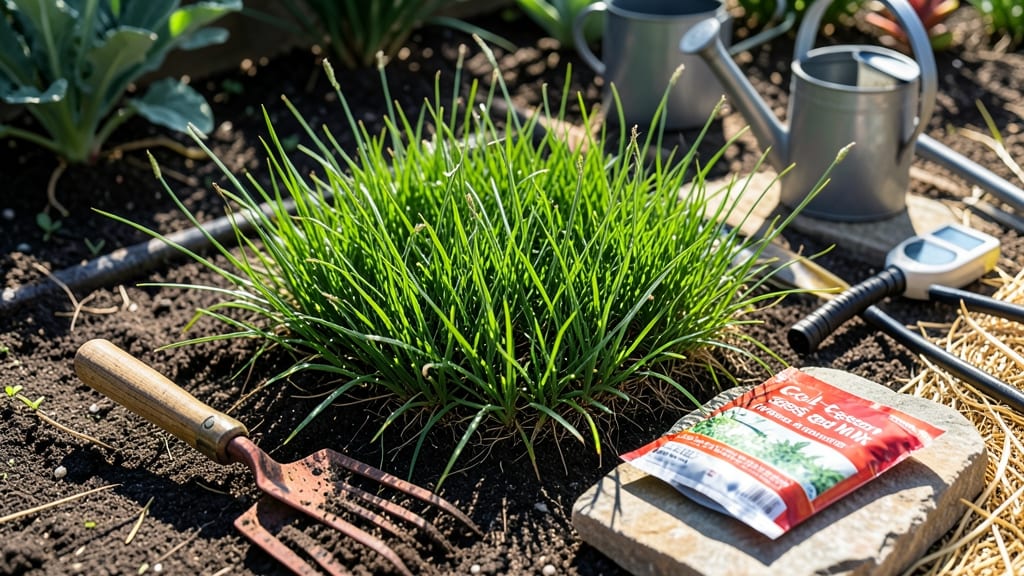
Planting grass seed in Southern California at the wrong time can turn your dream lawn into a sun-scorched wasteland—no matter how much you water it.
Struggling to establish a lush, drought-resistant lawn? Timing is everything—and planting grass seed at the wrong time can lead to wasted effort, weak growth, or even failure. The key lies in a narrow window where temperatures drop just enough to encourage root development before the winter rains arrive.
Southern California’s Mediterranean climate means summer heat and drought make spring planting risky, while winter’s chill slows germination. That leaves late summer to early fall as the best time—when soil stays warm enough for seeds to sprout but cool enough to avoid stress.
In this guide, I’ll break down the optimal months for your region (coastal vs. inland), soil prep secrets, and how to avoid the top mistakes that kill new grass—so you can finally grow that thick, green lawn you’ve been dreaming of.
Why late summer to early fall is the optimal window for Southern California grass seed planting
Southern California’s Mediterranean climate creates a unique challenge for lawn lovers—summer heat can scorch fresh grass seeds, while winter rains can drown them. The perfect planting window falls between these extremes: late August through October.
This timing aligns with nature’s rhythm, giving seeds the cool soil temperatures they need to germinate while avoiding the extreme heat stress of summer.
From a scientific perspective, grass seeds germinate best when soil temperatures stay between 60°F and 75°F. In Southern California, daytime highs drop below 85°F by mid-September, creating ideal conditions. Nighttime temperatures also cool enough to prevent seed desiccation—a major issue during summer’s dry, scorching afternoons.
Rainfall patterns play a crucial role too. Planting in early fall ensures seeds establish roots before the first significant winter rains, which typically arrive in November or December. This prevents erosion and gives young grass a head start in water absorption and nutrient uptake.
Another advantage of this window is the reduced competition from weeds. Cool-season grasses like tall fescue and ryegrass outcompete weeds when planted in fall, while warm-season grasses like Bermuda benefit from the mild temperatures that follow summer’s dormancy period.
Here’s why this timing works so well for Southern California’s USDA Zones 9b-11:
Preparing your soil for this optimal planting window starts with a soil test to check pH and nutrient levels. Southern California soils often need amendments like compost or sand to improve drainage, especially in clay-heavy areas.
Aim for a pH between 6.0 and 7.0—this range ensures maximum nutrient availability for germinating seeds.
Loosening the top 4–6 inches of soil with a garden rake or tiller creates the perfect seedbed. This step is critical for root penetration and water absorption.
If your lawn has bare patches, consider top-dressing with a thin layer of compost to boost organic matter and microbial activity.
For coastal regions, where humidity is higher, focus on aeration to prevent soil compaction. Inland areas, which experience more drought stress, benefit from mulching with straw to retain moisture. Both strategies help retain soil moisture during the critical first 2–3 weeks of germination.
Timing isn’t just about the calendar—it’s about reading your microclimate. If you’re in Zone 10 or 11, where temperatures stay warm longer, aim for late September planting.
In cooler coastal areas, early September may work better. Always monitor soil moisture and adjust your watering schedule to keep the top inch of soil consistently moist.
By planting in this ideal window, you’re not just following a schedule—you’re working with nature. The cool evenings, moderate rainfall, and reduced weed pressure create the perfect conditions for a thick, resilient lawn that thrives year-round.
Step-by-step guide to planting grass seed in Southern California’s late summer conditions
Southern California’s late summer heat can stress grass seeds, but the early fall window (late August through October) offers the perfect balance of cooler temperatures and increased rainfall.
This is when cool-season grasses like ryegrass and warm-season grasses like Bermuda thrive, provided you follow the right steps for your specific microclimate—whether you’re in coastal Santa Barbara or inland Riverside.
Your success hinges on soil prep, seed selection, and watering discipline. Coastal areas benefit from humidity and milder nights, while inland regions need extra attention to heat stress prevention.
Let’s break down the process so you can establish a dense, drought-resistant lawn that survives Southern California’s extremes.
Your 7-Step Lawn Planting Plan
-
Step 1: Test & Prep Your Soil
Use a soil test kit to check pH (ideal: 6.0–7.0). Amend with compost or sand if needed, then till 2–3 inches deep to loosen compacted soil.
-
Step 2: Choose the Right Grass Seed
Coastal areas: Fescue or Ryegrass (tolerates cooler, wetter conditions).
Inland areas: Bermuda or Buffalo Grass (handles heat and drought). -
Step 3: Clear Debris & Level the Ground
Remove rocks, weeds, and thatch. Rake the soil smooth to ensure even seed contact and proper water distribution.
-
Step 4: Spread Seed Evenly
Use a spreader for uniform coverage (aim for 8–12 lbs per 1,000 sq ft). Lightly rake seeds into the top ¼ inch of soil.
-
Step 5: Water Gently but Deeply
Keep soil consistently moist (not soggy) for 10–14 days. Water lightly 2x daily (morning/evening) to avoid washing seeds away.
-
Step 6: Adjust for Microclimates
Coastal: Reduce watering after 2 weeks (higher humidity).
Inland: Increase shade cloth if temps exceed 90°F during germination. -
Step 7: Fertilize & Mow Smartly
Apply slow-release fertilizer (16-4-8 NPK) after 4–6 weeks. Wait until grass reaches 3–4 inches before mowing at ⅓ height.
🌱 Pro Tip: Overseed existing lawns in September for a thicker, greener result by spring.
Once your seeds sprout (typically 7–21 days depending on the variety), resist the urge to overwater. Southern California’s late fall rains will take over, but your deep root system will thank you.
For coastal regions, reduce watering slightly after germination—humidity does the heavy lifting. Inland areas? Keep that morning watering routine until the grass is fully established.
By following these steps, you’ll avoid the two biggest pitfalls: heat stress from summer planting and fungal diseases from overwatering. Your lawn will emerge dense, resilient, and ready to handle Southern California’s droughts and occasional frosts.
With patience and precision, you’ll have a lawn that’s the envy of the neighborhood—no matter where you live in the Golden State.
💧